Why One-Off Marketing Feels Safe But Fails You
You have likely done this before. You paid for a new website, a short ad campaign, or a one-time SEO clean-up, then waited for the phone to ring more. It did not, at least not in a way you could feel.
One-off projects feel safe. They have a clear start and end, and a single price tag. On paper, they seem cheaper and lower risk than an ongoing plan. In reality, they often turn into stop and start marketing that never builds real momentum or long-term lead flow.
For us at Curve, this used to be normal. We took standalone projects and hoped they moved the needle on lead generation for small businesses. After years of seeing good work stall, we changed course. Now we only focus on connected marketing systems that tie everything together and actually drive qualified leads.
The Real Cost of One-Off Projects For Small Businesses
The problem with one-off projects is not just the upfront cost. It is what you pay in the months after when nothing really shifts in your pipeline.
Here is what usually happens with scattered work:
- You pay a project fee, then pay again a few months later when you realise leads have not grown.
- Your team spends hours reviewing designs, writing content, and learning new tools with no ongoing support.
- You lose weeks or months where phones are not ringing more and calendars are not filling up.
Piecemeal work also breaks your funnel.
- A new website without traffic is just an online brochure.
- Ads without follow-up automation turn clicks into missed calls and wasted cash.
- Local SEO without fresh content and reviews stalls and stops helping you rise up the ranks.
Take a simple example. You might drop a few thousand dollars across a year on random projects, like a new homepage, a couple of ad tests, and a one-time SEO tune up. At the end of the year, there is still no predictable flow of new enquiries.
Compare that to investing the same amount into a system that connects traffic, follow-up, and tracking over 12 months. Instead of resetting to zero every project, your results can compound as each piece supports the others.
Why Marketing Should Be a System, Not a Gamble
When we say marketing should be a system, not a gamble, we mean everything from first click to paid invoice needs to talk to each other.
In a connected marketing system:
- Your website, local SEO, ads, and CRM follow-up are all linked.
- When someone finds you, every step after that is clear and simple.
- The goal is not just more visitors. It is more qualified calls, form fills, and bookings.
We build this around what we call our Three-Channel Marketing System:
- Local SEO and your Google Business Profile so you rise up the ranks where buyers search.
- Paid ads to get in front of people who are ready to buy now.
- CRM follow-up so warm leads do not slip away.
For a small business, this matters a lot. You do not have the budget for vague brand awareness with no clear path to revenue. Every dollar needs to move people into what we call The Invisible Sales Funnel, where they go from never heard of you to booked and paid.
A system builds equity over time. You keep the rankings, the data, the follow-up flows, and the learnings. A one-off project ends the day the invoice is paid.
The Invisible Sales Funnel, Speed to Lead, And Where Projects Break
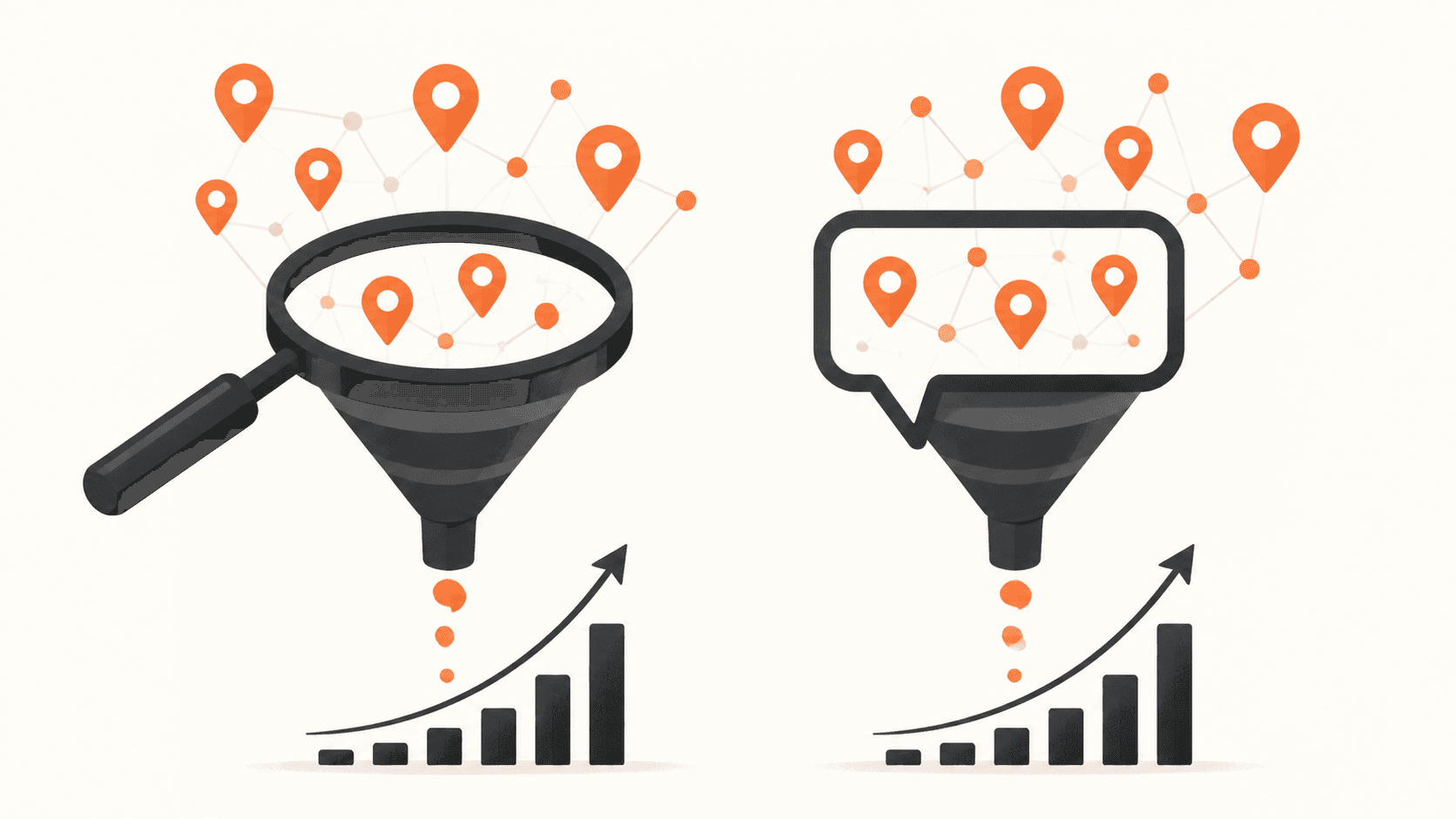
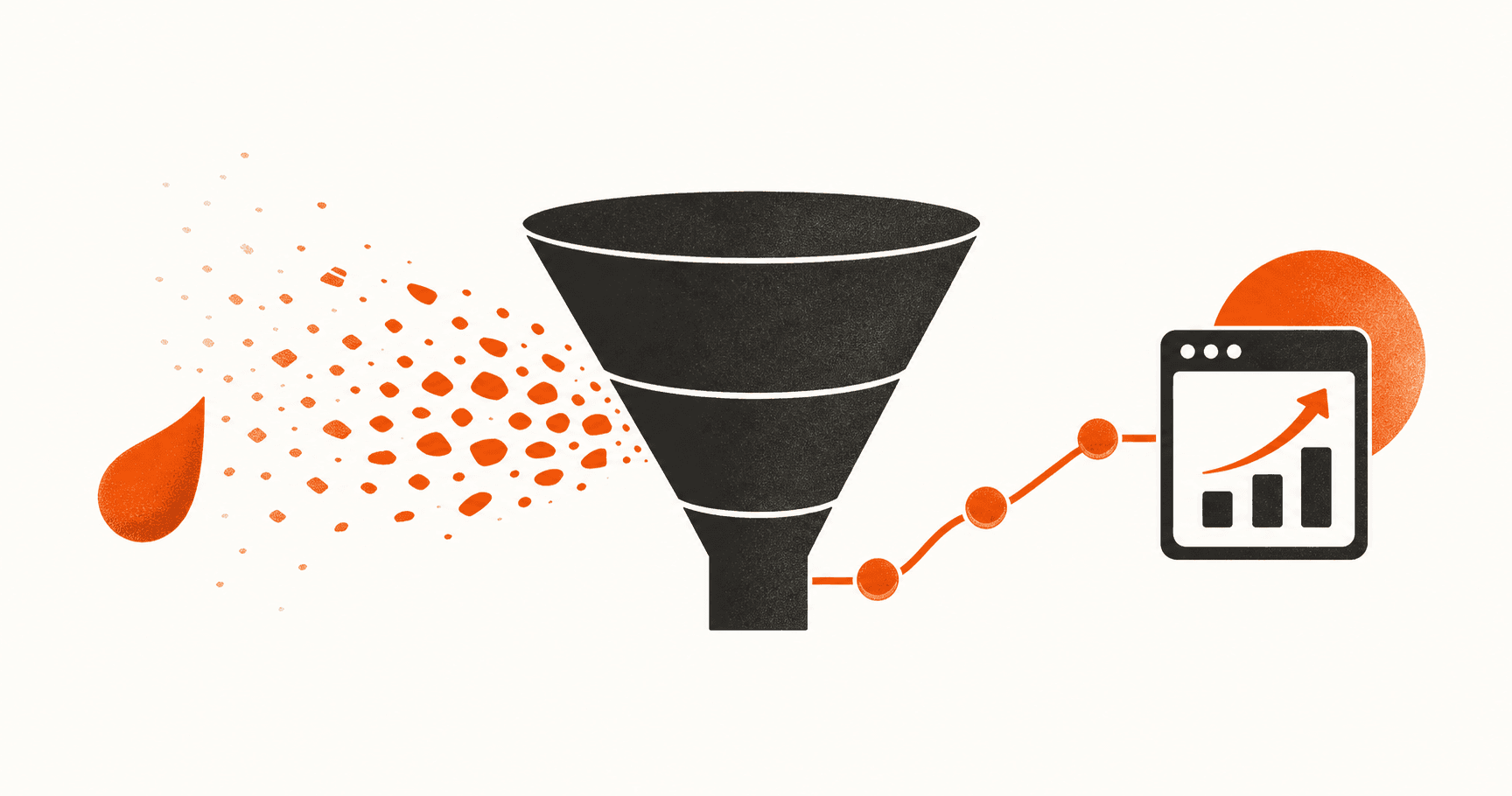
The Invisible Sales Funnel is just a simple way to think about how strangers become customers. Here is the basic path.
- Someone searches, sees an ad, or hears about you from a friend.
- They land on a page that speaks directly to their problem, with one clear next step.
- They call, text, or fill out a form that drops straight into CedarCRM.
- Automated texts, emails, and reminders kick in so you connect before they move on.
Inside this funnel, speed to lead is everything. Responding to a new enquiry within a few minutes is far more likely to turn into booked work than waiting an hour or a day. That is why we say every missed call is a missed opportunity. For service businesses especially, slow follow-up turns your ad spend and SEO work into a donation to your competitors.
This is exactly where one-off projects fall apart.
- A designer builds a stunning site, but the forms are not connected to CedarCRM and there is no follow-up. Leads sit in an inbox and go cold.
- An ad contractor runs campaigns that drive calls, but no one helps you fix phone workflows. Calls go to voicemail and vanish.
- A one-time SEO job lifts rankings a bit, but without tracking and nurturing, you do not know which visitors turn into revenue.
Without a system, you are gambling every time you spend on marketing.
How Our 90-Day Growth Plan Replaces One-off Work
To fix this, we built our 90-Day Growth Plan as the opposite of a one-off project. We start with the numbers you care about, like calls, booked jobs, or consults. Then we map your existing funnel from first click to paid invoice and mark where leads leak out.
From there, we build a simple sequence for the next 90 days, not a giant wish list that never gets done.
The steps look like this:
- Audit your current website, local SEO, ads, and follow-up processes.
- Fix the worst leaks that hit your wallet first, like broken forms, slow pages, or missing tracking numbers.
- Turn on or tune up your Three-Channel Marketing System with clear targets and weekly reporting.
- Set up or refine CedarCRM so leads get automatic messages, tasks, and reminders.
This approach fits how lead generation for small businesses really works. You get faster wins in the first 90 days, while we lay down the tracks for the next 9 to 12 months. It also protects you from what we call random acts of marketing, the one-off spends that feel busy but do not build a pipeline.
This is why we say no to just website projects. On their own, they do not support the plan or your long-term growth.
Why We Say No to "Just A Website" And What A System Feels Like Day to Day
Over many years, we have learned some hard lessons.
- We built great looking sites that never saw steady traffic.
- We ran smart ad campaigns, but the business had no follow-up or call answering system.
- We did local SEO work, but content and review activity stopped after launch, and results flatlined.
When we accept one-off work, the pattern is almost always the same. You expect more leads. We control only one piece of the puzzle. When the full lift does not show up, you feel burned by marketing, and it looks like we did not deliver.
So now we set clear rules.
- We improve a website if it is or will be plugged into CedarCRM and a broader Three-Channel Marketing System.
- We run ads if speed to lead and follow-up are dialed in or we are allowed to fix them.
- We help with local SEO if you are ready to support it with content, reviews, and ongoing updates.
This policy is not stubbornness. It is protection, for your budget and our time. We refuse to take money for work that is unlikely to pay off. Marketing should be a system, not a gamble.
When a connected marketing system is running day to day, life looks different.
- Your phone and inbox show a steady flow of new leads, not random spikes.
- You can see which channels bring in the most booked jobs or consults.
- Your team knows exactly what to do when a lead comes in, and CedarCRM backs them up.
CedarCRM holds The Invisible Sales Funnel together. All calls, texts, and form fills live in one place. Automated follow-up runs quietly in the background, from first contact to reminders and review requests. You and your team can see every touchpoint with a lead, so nothing is lost.
That changes your stress level as an owner. You are not guessing which month will be slow. You know how many leads you need, and what your system needs to do to get there. You can decide with data when to increase ad spend, expand service areas, or hire.
How to Know If You Are Ready For A System, Not A Project
So how do you know if this is the right move for your business?
Ask yourself a few quick questions.
Are You Tired of Redoing Your Website With No Clear Change?
- Have you tried boosting posts or dabbling in ads and felt like you were just experimenting with your own money?
- Do you know your cost per lead or cost per booked job?
To really benefit from a connected system, you need a few basics in place.
- A service or offer that already sells by word of mouth or referrals.
- A realistic monthly budget for lead generation for small businesses in your space.
- A willingness to fix internal issues like call handling and follow-up, not just get more traffic.
If you only want a logo refresh or a simple one-page site, a freelancer might be a better fit. If you want predictable growth over the next 12 to 24 months, you need a connected marketing system that treats every missed call as a missed opportunity and respects the fact that marketing should be a system, not a gamble.
Start Turning More Clicks Into Customers Today
If you are ready to bring in a steady stream of qualified leads, Curve Communications is here to help. Explore how our lead generation for small businesses can be tailored to your goals and budget. We will work with you to build a practical, data-driven plan that fits the way you actually do business. Have questions or want to talk through your next steps, just contact us and we will follow up quickly.