Q4 Demand Won't Wait for Your October Plan
Q4 marketing planning for small business needs to start before October. When you wait until fall to think about seasonal demand, competitors may already have offers in market, ad space can become more competitive, and your website may not be ready to turn visits into enquiries.
We often see demand build before the calendar says Q4. Homeowners start booking winter repairs in September. Patients look at unused benefits before year-end. Real estate clients want decisions made before the holidays. Professional service buyers want projects wrapped up before December. Marketing should be a system, not a gamble. August and September give you time to build a practical 90-Day Growth Plan, set priorities, prepare campaigns, and make sure every enquiry has a clear path to booked work.
Q4 Marketing Planning Starts in August
August is the planning month because it gives you room to think before demand speeds up. We recommend using this time to review what worked earlier in the year, spot gaps in your lead flow, and choose the services you want to promote.
A strong August plan gives us time to:
- Review revenue goals, team capacity, and available appointment times
- Choose seasonal offers that fit what your customers need now
- Update landing pages, forms, reviews, and booking options
- Build ad creative, email messages, and follow-up workflows
- Fix missed-call and slow-response problems before leads increase
September is the launch and testing month. Rather than waiting for the busiest weeks, we start campaigns early enough to learn what messages, audiences, and offers bring in qualified leads. Google Ads often need a few weeks of steady activity before we can make sound decisions about targeting and budget direction.
The right timing depends on your business. For home services, we may focus on fall maintenance, winter readiness, weatherproofing, or pre-holiday repairs. Clinics can prepare benefit-use reminders and year-end appointment campaigns. Real estate and professional service firms can speak to people who want a purchase, move, project, or decision completed before holiday schedules fill up.
Q4 marketing planning for small business is not about adding every possible channel. It is about preparing the right offer, the right message, and the right follow-up process before leads start coming in.
Set Your Budget Before Competition Increases
Waiting can make your budget work harder than it needs to. As more companies promote year-end offers, paid ad space gets more competitive. Starting earlier gives us time to test messages while there is still room to adjust.
The right mix depends on your industry, sales cycle, service area, current visibility, and how quickly your team can handle new enquiries. As a starting point, we often use a budget structure like this:
- 40% for paid search and paid social to create near-term lead opportunities
- 25% for local SEO and useful content that supports long-term visibility
- 20% for email and CRM follow-up with leads and past customers
- 15% for website updates, tracking, creative, and campaign testing
Each channel does a different job. Google Ads capture people who are already searching for your service. Meta Ads help create awareness and keep your business visible to people who may need you soon but are not searching yet. Email gives you a direct way to stay in touch with leads and past customers who already know your name.
One warning matters here. Spreading a limited budget across too many channels usually leads to weak results and unclear reporting. We would rather build a focused Three-Channel Marketing System than run small, disconnected campaigns everywhere. The goal is not activity. The goal is booked opportunities that fit your business.
Build Campaigns Around Seasonal Buying Triggers
Generic "contact us" messaging rarely gives people a reason to act now. Q4 campaigns work better when they match a problem, deadline, or opportunity your customer already feels.
Start by looking back. We review last year's busiest services, your strongest lead sources, and the jobs that brought the best return. Then we identify what makes that service timely. It could be changing weather, unused benefits, a year-end deadline, or the need to finish a project before schedules become crowded.
A clear seasonal offer usually has three parts:
- One problem your customer wants solved
- One clear next step, such as requesting a quote or booking an inspection
- Proof that helps them feel confident, such as reviews, before-and-after work, or project examples
For contractors, that may mean furnace maintenance, roof checks, weatherproofing, or emergency repair readiness. For clinics, it may mean reminders about extended health benefits that reset at year-end. Professional services may focus on planning sessions, tax preparation, or legal document reviews. Education businesses can promote January enrolment before family schedules get busy.
Your campaign also needs a focused landing page. That page should explain the offer, answer common questions, show proof, and make it easy to book or enquire. Every missed call is a missed opportunity. A strong offer cannot do its job if a visitor reaches a confusing page or cannot get a timely response.
Connect SEO, Ads, Email, and Follow-Up
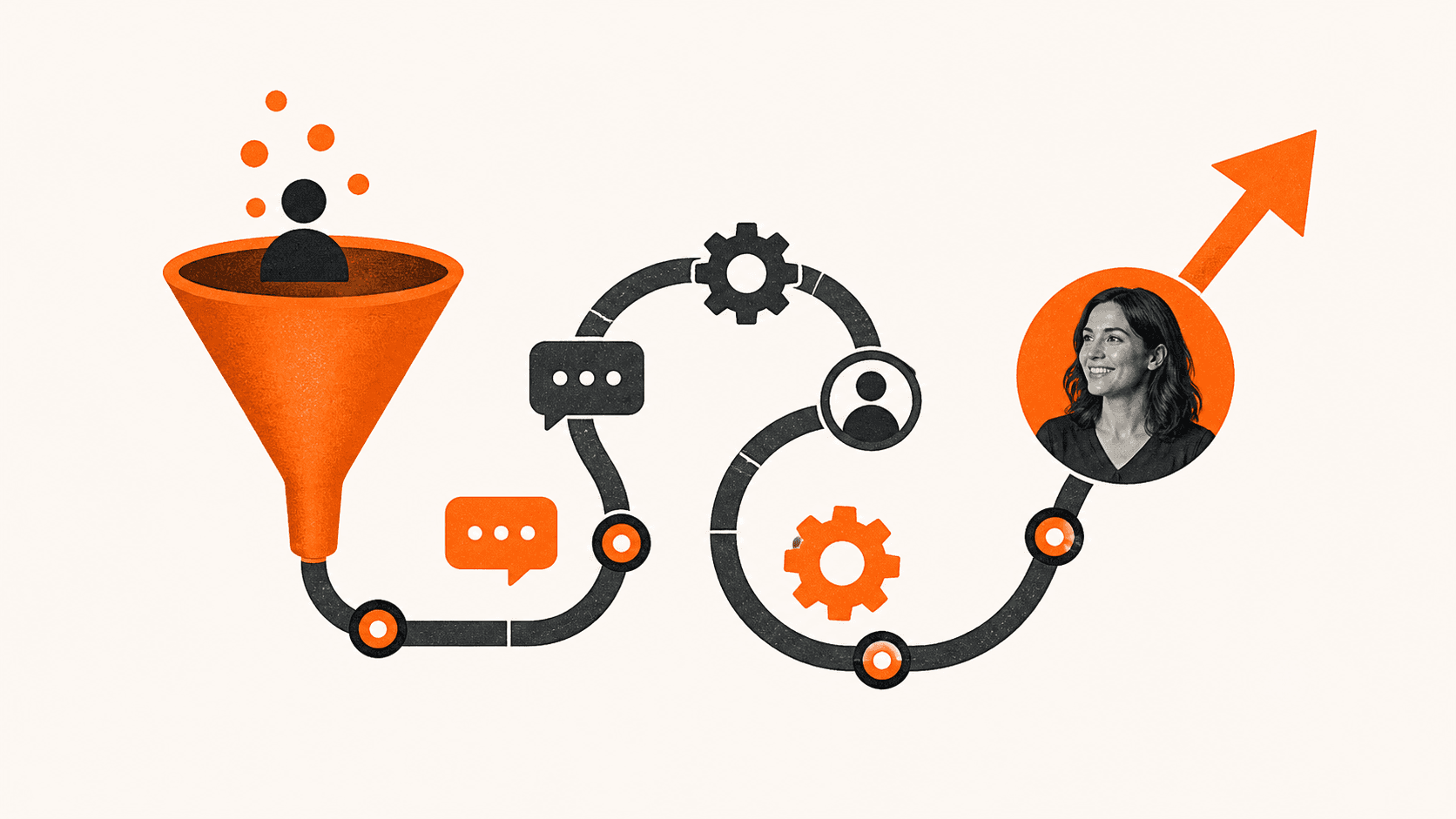
Most leads do not make a decision after one visit. We call this The Invisible Sales Funnel. Someone may see a Meta ad, search for your name later, read reviews, view our Google Business Profile, visit a service page, and only then submit a form or call.
That is why disconnected marketing creates gaps. A paid ad may create awareness, but local SEO helps you rise up the ranks when people search nearby. Google Ads help us show up when someone is ready to act. Meta Ads keep your business familiar during a longer decision cycle. Email and text follow-up bring back leads who were interested but not ready.
Speed to lead matters just as much as lead volume. Your Q4 plan should clearly define who responds to every phone call, web form, chat, and direct message. When your team is busy, automation can confirm the enquiry right away and guide the person toward the next step.
CedarCRM gives us one place to track leads, automate follow-up, and see which marketing sources produce booked work. AI voice and chat tools can also help capture and qualify enquiries outside regular business hours. The point is not to replace your team. It is to make sure interested people do not disappear while they wait for an answer.
Your 90-Day Growth Plan for Q4
A simple plan makes Q4 marketing easier to manage. We recommend setting the foundation in August, launching and learning in September, then shifting toward what works from October through December.
In August, focus on preparation. Review Q4 revenue goals and your available capacity. Choose one to three seasonal offers. Audit your website, forms, call tracking, your Google Business Profile, and lead response process. Then approve budgets, creative, landing pages, email sequences, and campaigns.
September is for launch and testing. Start Google Ads and Meta Ads campaigns. Publish local SEO content around seasonal services and customer questions. Send an early email to past customers and unconverted leads. Test calls to action, landing page wording, audiences, and ad messages. This is also the time to train staff on faster lead response and update CedarCRM workflows.
From October through December, review performance every week. Move budget toward campaigns that bring qualified leads and booked appointments. Refresh ads when engagement drops. Watch missed calls, form response times, and booking rates. Use email and text reminders to follow up with people who have not made a decision.
The key measure is booked work, not just clicks, impressions, or form fills. Those early numbers can be useful signals, but they do not tell you whether marketing is helping your business grow.
Start Building Your Q4 Pipeline This Month
August is the right time to plan. September is the right time to test. By October, you should be improving campaigns, not building everything from scratch.
Keep the focus simple. Choose offers your customers already care about, support them with a connected marketing system, and make fast follow-up part of the plan. That preparation helps you measure what is working, spot gaps early, and make better decisions as Q4 demand builds.
Turn Your Q4 Plan Into More Qualified Leads
If your marketing still feels disconnected, Curve Communications can help you build a clear plan around the channels that bring in real enquiries. Our Q4 marketing planning for small businesses services connect your website, ads, local search, and follow-up so fewer leads fall through the cracks. Contact us to discuss a 90-Day Growth Plan that fits your goals and budget.