Stop Guessing What Your Marketing Budget Should Be
The right marketing budget starts with a hard question: what is actually bringing you leads, booked work, and revenue? We often see Vancouver owners paying for a website, Google Ads, SEO, and social media, yet they still cannot tell which efforts are doing the heavy lifting.
Activity can look good on paper. More clicks, more posts, and more website visits may feel like progress. But if those actions do not turn into calls, appointments, estimates, and closed sales, your marketing budget is not working as hard as it should.
As a general guide, we recommend that growing businesses invest about 5% to 10% of annual revenue in marketing. The right number depends on your growth goals, profit margins, local competition, and how quickly you need more leads. Marketing should be a system, not a gamble.
Set a Marketing Budget That Matches Your Growth Stage
A small business marketing budget in Vancouver should match where your business is now, not where you hope it will be in five years. These ranges are guidance, not fixed rules. Your budget needs to support both lead generation and the work required to handle those leads properly.
For businesses earning roughly $500,000 to $1 million per year, we usually recommend 5% to 7% of annual revenue. That works out to about $2,100 to $5,800 per month.
At this stage, we suggest focusing on the foundations that help you generate demand and capture it:
- A conversion-ready website with clear service pages and strong calls to action
- Your Google Business Profile, local SEO, and review growth
- Phone and form tracking so you know where leads come from
- Fast lead follow-up, including missed-call handling
- Simple reporting that connects marketing activity to real inquiries
Once your business reaches roughly $1 million to $3 million in annual revenue, a 7% to 10% marketing investment often makes sense. That is about $5,800 to $25,000 per month. With more revenue and capacity, you can add Google Ads, ads that reach past website visitors, CRM automation, email follow-up, and more detailed reporting.
Established businesses earning roughly $3 million to $10 million may invest 5% to 8% of revenue, or about $12,500 to $66,000 per month. The percentage can be lower because the total dollar amount is larger. At that point, we often see businesses invest to protect market share, serve more areas, and grow new service lines.
Your budget should cover more than ad spend. It should include agency support, software, website improvements, content, tracking, customer relationship management (CRM) tools, and the systems that make sure leads do not slip away after they arrive.
Spend First Where Vancouver Buyers Already Search
Limited budgets get wasted when you spread them across too many channels too early. We recommend starting where people are already looking for help. When someone searches for an emergency plumber, family dentist, mortgage broker, or physiotherapist, they are not casually browsing. They have a problem and may be ready to act.
Search should come first. Local SEO, your complete Google Business Profile, helpful service pages, strong reviews, and accurate call tracking give you a better chance to show up when people need you. These basics help you rise up the ranks over time while making it easier for a ready-to-buy prospect to choose you.
Google Ads can help when you need leads sooner. SEO takes time to build, especially in competitive Vancouver service categories. Paid search can fill that gap, but only if the budget is large enough to produce useful data.
A tiny campaign that receives only a handful of clicks rarely tells you much. We help clients set test budgets that can generate enough visits and leads to show whether the campaign is attracting the right people. From there, we can improve the search terms, ads, landing pages, and follow-up.
Email and CRM follow-up should also be part of your plan from the start. Many businesses spend heavily to get leads, then lose them because staff are busy, calls go unanswered, or estimates sit without a reply. Every missed call is a missed opportunity.
A connected follow-up system can include:
- Immediate replies to website forms and missed calls
- Estimate reminders for prospects who have not decided yet
- Email sequences that answer common questions
- Review requests after completed work
- Reactivation campaigns for past customers and older leads
This is how you make each lead worth more. Before increasing spend, we want to know that your business is responding quickly and consistently.
Build a Three-Channel Marketing System That Follows Up
The strongest marketing plans do not treat every channel as a separate project. We build a Three-Channel Marketing System that connects search, paid social, and follow-up.
Search reaches people who are actively looking for your services through local SEO and Google Ads. Paid social, including Meta Ads, helps create demand and retarget people who have already visited your site. Email and CRM automation keep the conversation going until a prospect is ready to move forward.
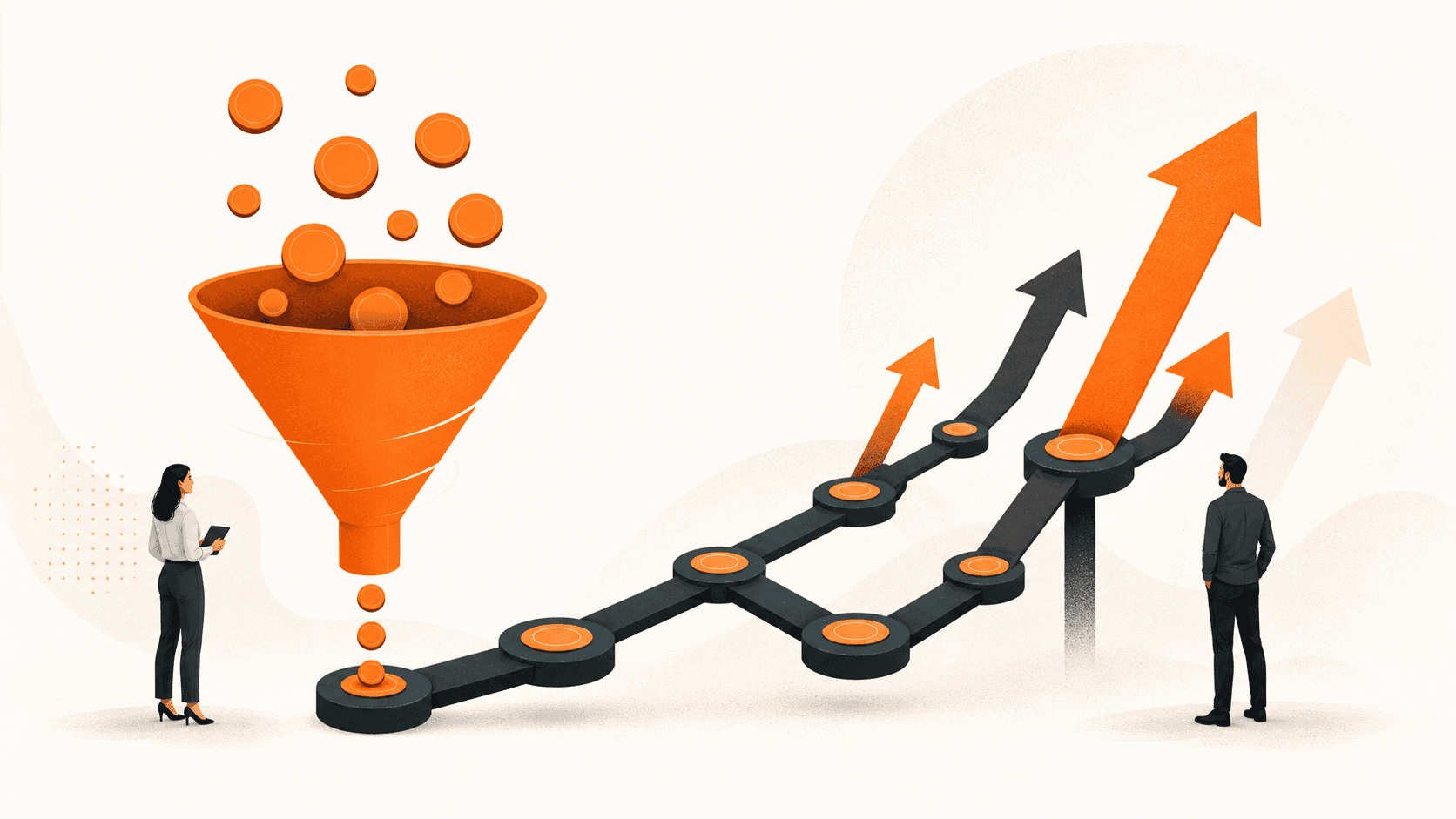
That connection matters because of The Invisible Sales Funnel. A prospect may find you through Google, read your reviews, visit your website, and leave without calling. A few days later, they may see a retargeting ad, return to your site, submit a form, and reply to a text message.
Without connected tracking, it is easy to give credit to the last click only. That can lead you to cut a campaign that helped start the relationship. We look at the full path, not just the final step.
Speed to lead is another major part of the system. When someone calls or submits a form, they are often contacting more than one business. Your team should aim to respond within minutes during business hours whenever possible.
CedarCRM, AI chat, and AI voice tools can help capture leads when your staff are serving customers. These tools do not replace good people. They help make sure a real opportunity gets recorded, routed, and followed up before it goes cold.
Track Results From First Click to Closed Revenue
Clicks and impressions have a place in reporting, but they are not the finish line. We focus on what happens after someone clicks. Did they become a qualified lead? Did they book? Did they receive an estimate? Did they become a customer?
Your reporting should track the numbers that matter most:
- Qualified leads by source
- Booked appointments or consultations
- Estimates sent and sales closed
- Cost per qualified lead
- Customer acquisition cost
- Revenue by marketing channel
The data needs to connect. Website forms, phone calls, Google Ads, Meta Ads, your Google Business Profile activity, and CRM records should feed into one clear reporting view. That makes it easier for us to see which campaigns produce revenue and which ones only look busy.
Here is a simple example. If you spend $4,000 per month and generate 20 qualified leads, then close four jobs worth $3,000 each, you generated $12,000 in revenue from a $4,000 marketing investment. The next question is whether your profit from those jobs supports increasing that spend.
We recommend reviewing results every month and making bigger budget decisions every 90 days. Paid ads can provide feedback quickly. Local SEO needs more time to build momentum and rise up the ranks. A slow week is not enough reason to shut down a channel that is bringing strong leads over a longer period.
Turn Your Budget Into a 90-Day Growth Plan
A useful marketing budget is not about spending the most money. It is about setting a number that fits your revenue and growth goals, then putting it into the channels most likely to produce measurable results. Start with search, use ads to fill lead gaps, and build follow-up into every campaign.
Over the next 90 days, focus on tracking every lead from its first click or call through to closed revenue. That will show you where money is being wasted, where leads are being lost, and which parts of your connected marketing system deserve more investment.
Make Your Marketing Spend Work Harder
A clear small business marketing budget in Vancouver needs more than a monthly number. It needs the right channels, reliable tracking, and a plan to turn enquiries into revenue. At Curve Communications, we help you build a connected marketing system that gives you a clearer view of what is working. Contact us to discuss a practical 90-Day Growth Plan for your business.