Stop Random Marketing and Build a Real System
Does your marketing feel like a gamble every month? One week you boost a Facebook post. The next week you try a bit of Google Ads. You pay for a new website, then the phone stays quiet.
The problem is not that any one tactic is bad. The problem is that nothing is connected. No clear plan. No weekly rhythm. No single place to see what is working. Just random acts of marketing.
We see this all the time with small business marketing in Canada. You face real local competition. You have limited time. Every dollar needs to count.
You do not just need a strategy or a few tactics. You need a simple operating system that ties your weekly actions, your KPIs, and your team into one connected marketing system.
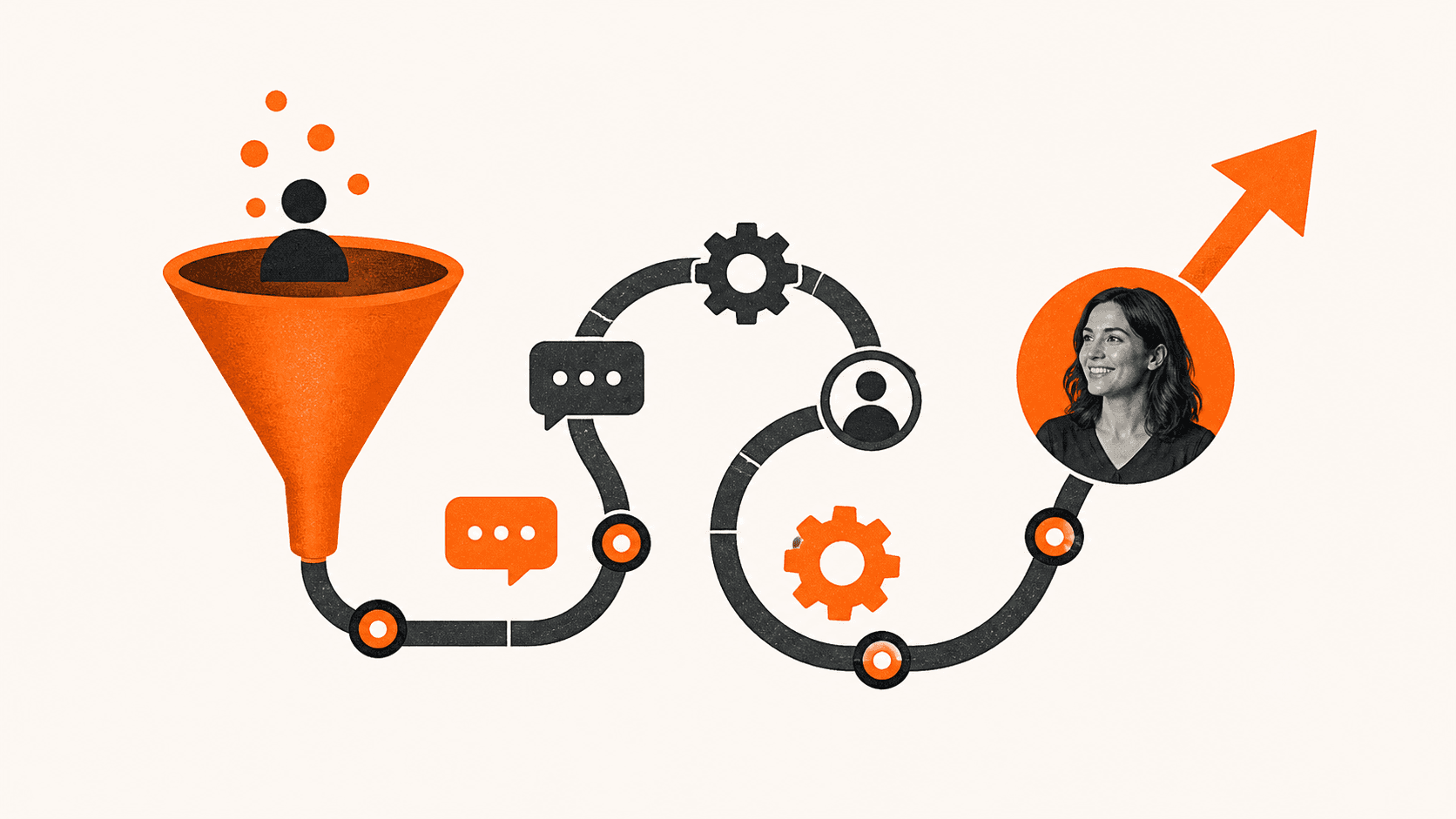
Marketing should be a system, not a gamble. When you connect your Three-Channel Marketing System with The Invisible Sales Funnel and a clear 90-Day Growth Plan, you can start turning chaos into something predictable.
Strategy, tactics, or system
Most owners use these words, but they blur together. Let us separate them in plain language.
Strategy is the big picture. It answers:
- Who you serve
- What you sell
- Why you are different
For example, your local trades business might decide to focus on homeowners in one city and be known for fast same-week service. A family clinic might focus on busy parents who want easy online booking and clear communication.
Tactics are the specific actions. Things like:
- Running Google Ads
- Posting on Instagram or Facebook
- Sending an email sequence
- Updating your website homepage
- Calling new leads within 5 minutes
Tactics are the plays. Strategy is the game plan. Both matter, but they are not enough on their own.
A system is how it all connects and runs every week. It is:
- One view of all your leads, calls, texts, and emails in a tool like CedarCRM
- A clear weekly routine for your team
- KPIs you track every week, not once a year
Most small businesses, maybe including yours, get stuck because:
- You buy tactics with no clear strategy, so results are random
- Or you have a rough strategy, but no system, so nobody follows through
This burns money, drains your staff, and kills momentum. People work hard, but nobody can say what actually moved the needle.
A true marketing operating system means:
- A set weekly cadence of actions tied to KPIs
- One source of truth for all leads and follow-up
- Clear ownership, so someone owns the numbers, not just the busy work
The Three-Channel Marketing System for local leads
Why should you focus on three channels, not ten? Because most small business marketing in Canada fails when it is spread too thin. You start a bit of everything and finish nothing.
Three strong channels beat six weak ones. With three, you can train your team, track your KPIs, and actually improve.
We like to bucket them into:
- Find
- Convert
- Nurture
Here is the core Three-Channel Marketing System.
Channel 1: Local search to rise up the ranks in Google and maps. Your website, your Google Business Profile, and your reviews should work together. Someone searches for your service near them, finds you, sees proof, and calls.
Channel 2: Paid traffic to capture ready-to-buy leads now. You can use search ads, local service ads, or targeted social ads. Each one needs a clear offer and a direct next step, like a quote request or booking form.
Channel 3: Follow-up and nurture. This is where The Invisible Sales Funnel lives. Email, text, and retargeting stay in touch with every person who was not ready today, but might be ready later.
Most buyers are not now, not never. If you do not keep in touch, they forget you fast.
A simple nurture flow inside CedarCRM might look like:
- New lead comes in from your website or ad.
- Immediate reply with a short message and a clear next step.
- Fast quote or booking link.
- Helpful follow-up over the next 90 days. Tips, reminders, and offers.
All three channels should feed into CedarCRM. That way no lead gets lost and every step is tracked.
Speed to lead, KPIs, and the power of CedarCRM
Speed to lead is one of the simplest ways to beat your local competition. It just means how fast you respond to a new lead.
If someone fills out a form or calls and you reply in a few minutes, you are far more likely to talk to them than if you wait an hour or a day. Many owners know this, but their system cannot support it. The phone rings while staff are on the road. Messages sit in email inboxes. Then the lead calls someone else.
Every missed call is a missed opportunity. You want your system to back up your intent.
Here are the core KPIs to track every week:
- Volume: total leads by channel, phone calls, form fills, chats
- Conversion: booked appointments, quotes sent, deals closed, revenue
- Speed and quality: average response time, show-up rate, review rate
CedarCRM pulls this together. When it is set up as the hub:
- New leads flow in from your site, ads, and phone calls.
- Auto-responses go out, and your team gets instant tasks.
- Every lead sits in a clear pipeline view, so you can see where people drop off.
This is how you measure The Invisible Sales Funnel over weeks and months, not just one busy day.
Your 90-Day Growth Plan and weekly cadence
You do not need a five-year plan. You need a focused 90-Day Growth Plan that you can start now.
Days 1 to 30:
- Clarify your strategy: who you serve, what you sell, why you are different
- Pick your Three-Channel Marketing System
- Set up CedarCRM basics: pipelines, templates, and notifications
Days 31 to 60:
- Launch your campaigns for local search and paid traffic
- Set a weekly marketing meeting, same time, same day
- Agree on your KPIs and how you will see them each week
Days 61 to 90:
- Tune your ads and improve underperforming pages
- Tighten your follow-up speed and scripts
- Document what worked and what did not, so you can repeat the wins
Now lock in a simple weekly cadence:
- One 30-minute meeting, no excuses.
- Review last week's KPIs, wins, and misses.
- Choose one or two fixes. Not ten.
- Assign an owner for each action and log it in CedarCRM or a shared doc.
This builds real accountability. Everyone sees the same numbers. You talk about facts, not feelings. You track activity and results, not just a big invoice from an agency.
Over time, this is how your marketing shifts from chaos to a connected marketing system that runs like an operating system.
Turn your marketing from gamble to operating system
Marketing should be a system, not a gamble. Strategy tells you what game you are playing. Tactics are the plays you run.
Your system is how you run the whole season, week after week.
When you connect your Three-Channel Marketing System, The Invisible Sales Funnel, clear KPIs, and true speed to lead inside CedarCRM, you give your small Canadian business a real chance to rise up the ranks over time. You stop guessing. You start running a simple marketing operating system that your whole team can follow.
Your next step is simple. Map your own 90-Day Growth Plan on paper, then decide how you will track it inside CedarCRM so every lead and every action sits in one connected marketing system.
Grow Your Canadian Small Business With Proven Marketing Support
If you are ready to attract more local customers and get better results from your budget, our team can help you build a focused strategy for small business marketing in Canada. At Curve Communications, we tailor every plan to your goals, industry and community so you are not guessing about what to do next. Tell us about your challenges and we will recommend clear, practical next steps, from strategy to execution. To start a conversation with our team, simply contact us today.