When Your Marketing Finally Starts Working Together
You pay for ads, SEO, and a decent website, yet it still feels like leads just vanish. You see form fills, missed calls, random emails, then nothing. Marketing should be a system, not a gamble.
Here is the hard truth: Most small businesses lose leads not because of bad ads or weak SEO, but because no one responds fast and nothing connects. Studies show that 78% of leads go to the first responder, yet many businesses take hours to reply, if they reply at all.
Marketing automation for small businesses only starts paying off when every part talks to the others. Your ads, your website, your follow-up, and your sales tools have to act like one connected marketing system. When that happens, the tech stops being a headache and starts putting real money back into your business.
Why Random Tactics Stop Working Around Year Three
Many businesses grow at the start through hustle, word-of-mouth, and one lucky channel. Maybe it is referrals, or one local ad that just works. For a while, that is enough.
Then things slow down.
You might notice:
- Referrals flatten, and repeat work isn't growing.
- Ad costs creep up while results feel weaker.
- You try quick fixes, but nothing sticks.
So you keep trying one-off changes.
- A new agency.
- A redesigned website.
- A fresh ad campaign.
Each time you see a small spike, then the numbers drop again. It feels like you are starting from zero every few months. That is frustrating and tiring.
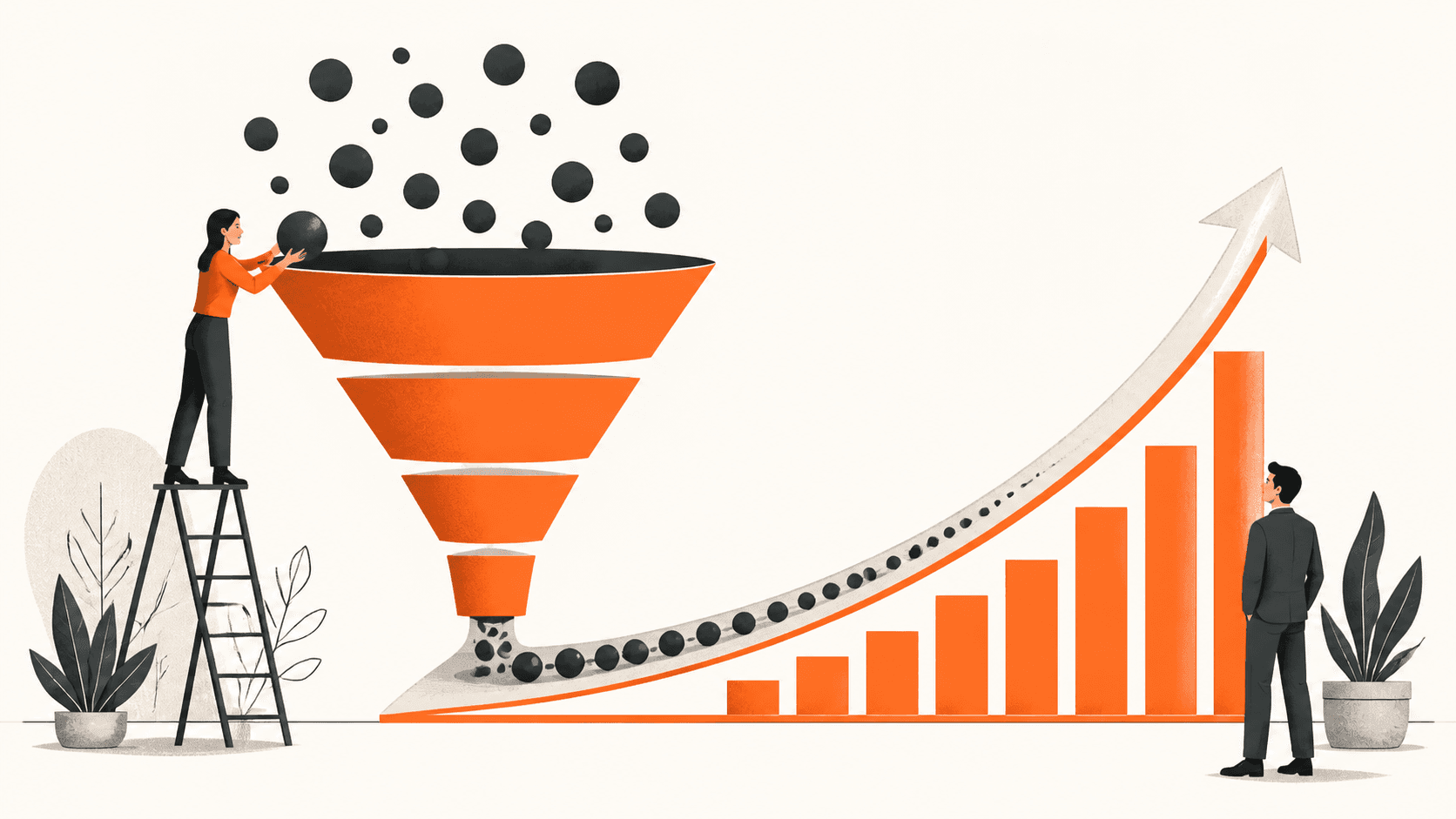
The real problem usually is not any one thing. It is that nothing is connected. Your ads push traffic to a site that does not capture leads well. Leads that do come in sit in an inbox. No follow-up sequence. No clear pipeline. Until you fix the system, more traffic just means more missed chances.
Marketing should be a system, not a gamble. When you treat it like a system, you stop asking, "Which magic tactic do I try next?" and start asking, "Where is the leak and how do we fix it?"
The Moment Automation Finally Starts Paying Off
So when does marketing automation for small businesses actually start making you money?
Look at the before and after.
Before automation:
- You chase every lead by hand.
- You miss calls when you are on job sites or with clients.
- You forget to follow up after quotes.
- You have no clear view of what came from where.
After automation is set up as a system:
- New leads get a reply in minutes, not hours.
- Every lead enters a simple pipeline you can see.
- Follow-up happens for weeks, not just one or two messages.
- You can track a lead from first click to closed deal.
A few simple facts shape this turning point:
- 78% of leads go to the first responder.
- Around 80% of sales need at least five follow-ups.
- Most small businesses stop after one or two touches.
Automation pays off when it covers three things at once.
- Speed to lead. Your system answers fast, even when you are busy.
- Consistent follow-up. Every lead gets a fair shot, not just the ones you remember.
- Clear tracking. You can see what works and what does not.
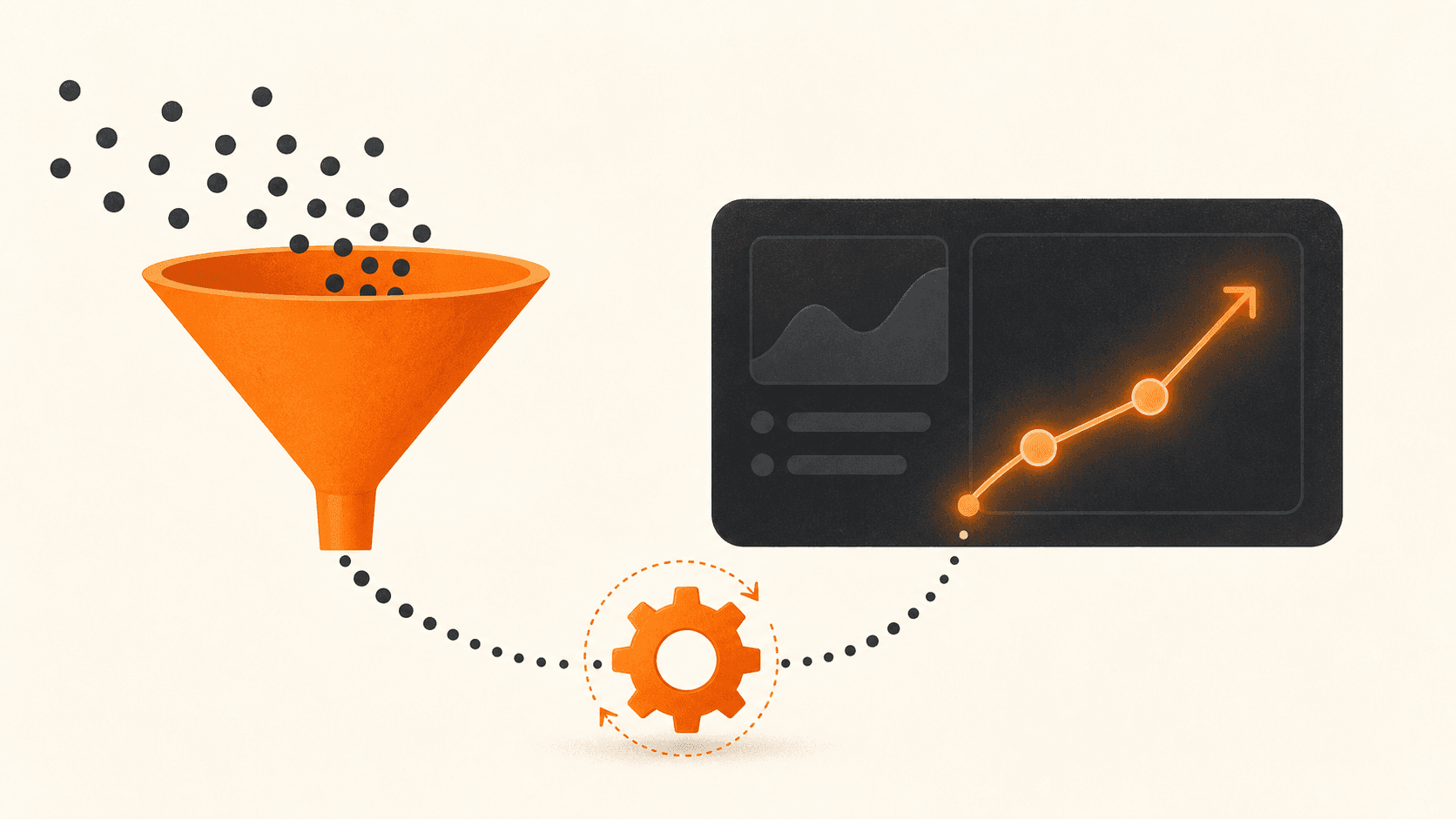
We call this your Invisible Sales Funnel. It runs quietly in the background while you and your team focus on actual work and real conversations.
Your Three-Channel Marketing System
A connected marketing system does not mean doing everything. It means getting three main channels working together instead of ten random tactics fighting each other.
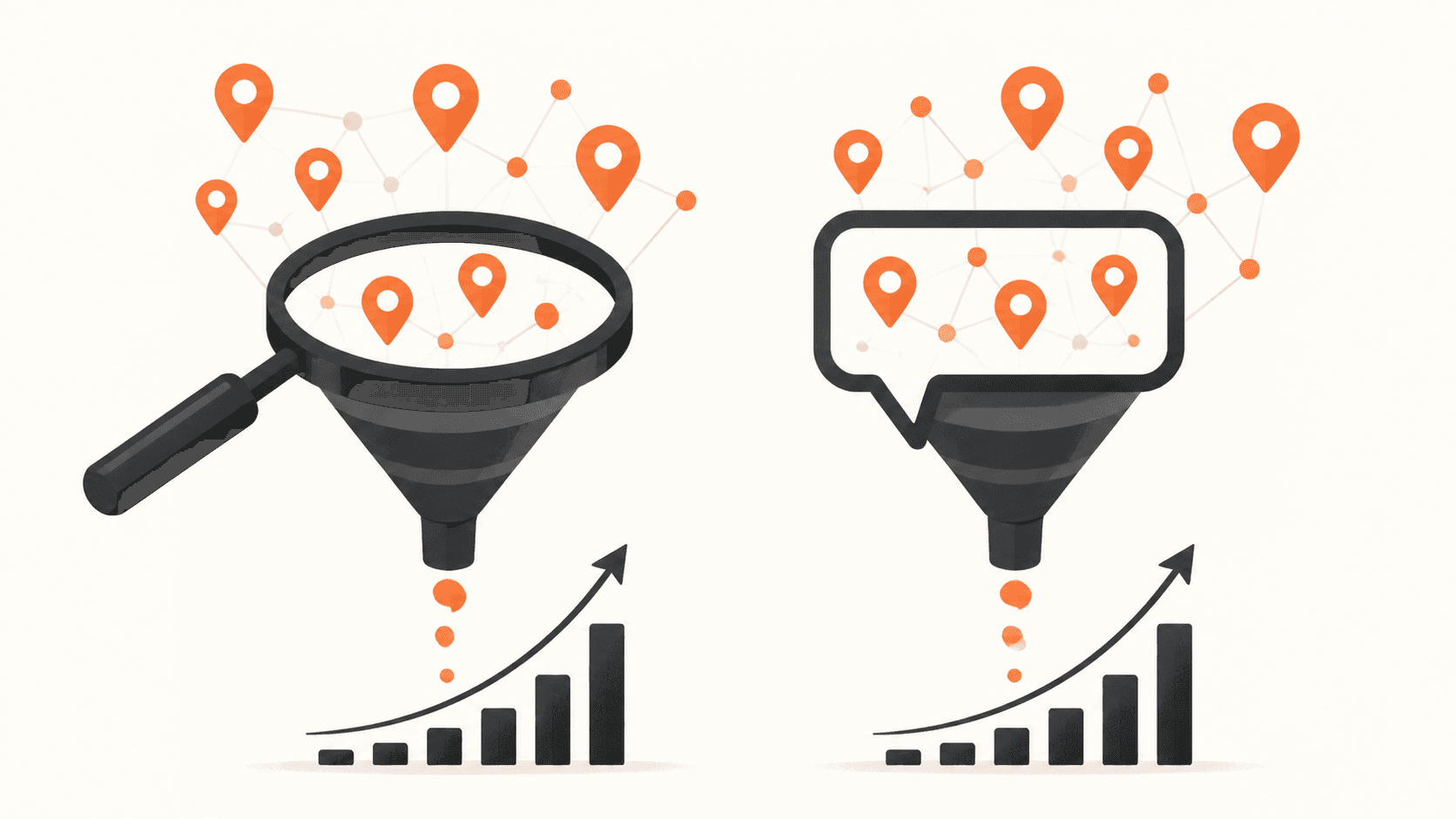
Our Three-Channel Marketing System focuses on:
- Local search and SEO
You want to rise up the ranks when people in your area search for what you do. That means clear pages on your services, your location, and strong on-page SEO basics.
- Paid ads
You use ads to fill the gaps and drive targeted traffic now. This can support your busiest seasons, help launch new services, or cover times when organic traffic is slow.
- Reviews and reputation
People trust reviews. Strong recent reviews and a solid reputation help convert searchers who are on the fence.
Here is how they connect in a simple system:
- Your website captures leads with simple forms, clear calls to action, and click-to-call buttons.
- Tracking shows which channel brought each lead, so you know what is working.
- Your automation responds fast by text, email, or a callback.
As summer hits in a place like Vancouver, many people start bigger projects and spend more. You want all three channels working together before the busy rush, not scrambling after the season passes.
Speed to Lead and the Invisible Sales Funnel
Every missed call is a missed opportunity. That line is not just a slogan. It is how the market works.
If someone calls and no one answers, they usually call the next business on the list. Often within minutes. If your response is slow, your competitor gets the job.
Speed to lead, in plain terms, looks like this:
- A lead fills a form or calls.
- Your system responds within 2 minutes.
- The message offers one clear next step.
That next step might be:
- Book a call.
- Schedule a quote.
- Claim a seasonal promo.
The Invisible Sales Funnel then keeps working in the background:
- Automatic follow-up for 14 to 30 days through text and email.
- Messages that sound like a real human, not a robot.
- Reminders before appointments so people show up.
The payoff is simple:
- You stop losing hot leads just because you were tied up.
- Your close rate climbs because more people actually talk with you.
- Your stress drops because follow-up does not depend on your memory or a sticky note.
Instead of chasing, you respond. Instead of guessing, you see clear steps. The system handles the busy work so you can handle the real work.
How CedarCRM Turns Chaos into a Connected System
For most small businesses, sales and marketing data sits all over the place.
You might have:
- Leads in email threads.
- Notes on paper or in random notebooks.
- Missed calls in your phone log.
- A few contacts in a basic spreadsheet.
No one sees the full picture. That is chaos.
CedarCRM is our CRM and automation hub built to fix that chaos for small businesses. It pulls leads, calls, texts, forms, and bookings into one place so nothing falls through the cracks.
Here is what that looks like in practice:
- Every lead goes into one pipeline. You see where each person is in your sales path.
- Automated texts and emails follow up based on simple triggers, like new lead, missed call, or no response after two days.
- Reporting shows which channels bring real customers, not just clicks or impressions.
Your Invisible Sales Funnel runs inside CedarCRM. Your Three-Channel Marketing System feeds it. You and your team get to focus on real conversations, quotes, and doing the work, instead of trying to remember who to chase.
Your 90-Day Growth Plan to Make Automation Pay
You do not need a year to find out if a connected marketing system will work for you. You need 90 focused days and a simple scoreboard.
Here is a clear 90-Day Growth Plan you can follow.
- Days 1 to 30: Fix the leaks
- Track every lead source, even if it is basic at first.
- Set up speed to lead, so new inquiries get an instant text and email.
- Route missed calls into CedarCRM with an automatic callback offer.
- Make sure every form and ad sends leads into the same pipeline.
- Days 31 to 60: Build your Invisible Sales Funnel
- Add 14 to 30 days of follow-up for quotes and no-shows.
- Set reminders for your team to call hot leads after key actions.
- Turn common questions into simple nurture emails that educate and build trust.
- Add appointment reminders so fewer people miss bookings.
- Days 61 to 90: Tune your Three-Channel Marketing System
- Shift ad spend toward channels that bring in real customers, not just cheap clicks.
- Adjust your website offers and forms based on what leads actually ask for.
- Use new reviews and simple case stories from recent wins to rise up the ranks in local search.
By the end of 90 days, you should:
- Know your key numbers for leads, close rate, and main channels.
- See your pipeline in one place.
- Feel the difference a connected marketing system makes in your day.
That is when marketing automation for small businesses stops being just more software and starts becoming something that finally pays off.
Your next step is simple. Map your current leads for the next seven days, then pick one place to improve speed to lead.
Boost Your Small Business Growth With Smart Automation
If you are ready to save time and get more from every marketing dollar, we can help you put marketing automation for small businesses to work in a practical, measurable way. At Curve Communications, we focus on setting up systems that fit how you actually operate, so you spend less time on repetitive tasks and more time serving your customers. Tell us what you are trying to achieve and we will map out a clear, step-by-step path for your next campaign. Have questions or want to talk it through first? Just contact us and our team will walk you through your options.