Why Your Best Leads Hate Being "Sold to"
Your best buyers quietly research you, compare options, then call once and book. They do not want a long sales pitch. They just want to feel sure they are making a smart choice.
Think of a typical local buyer. They search on Google, check a few websites, read reviews, maybe peek at social media. Then they pick one or two businesses to contact.
By the time you hear from them, most of their decision is already made. That gap is where old-school, pushy sales funnels fall apart. If your only move is to chase people once they fill out a form, you are too late.
We will walk through a simple framework you can use to fix that. We call it The Invisible Sales Funnel, and it plugs into a connected marketing system you can actually control.
What We Mean by the Invisible Sales Funnel
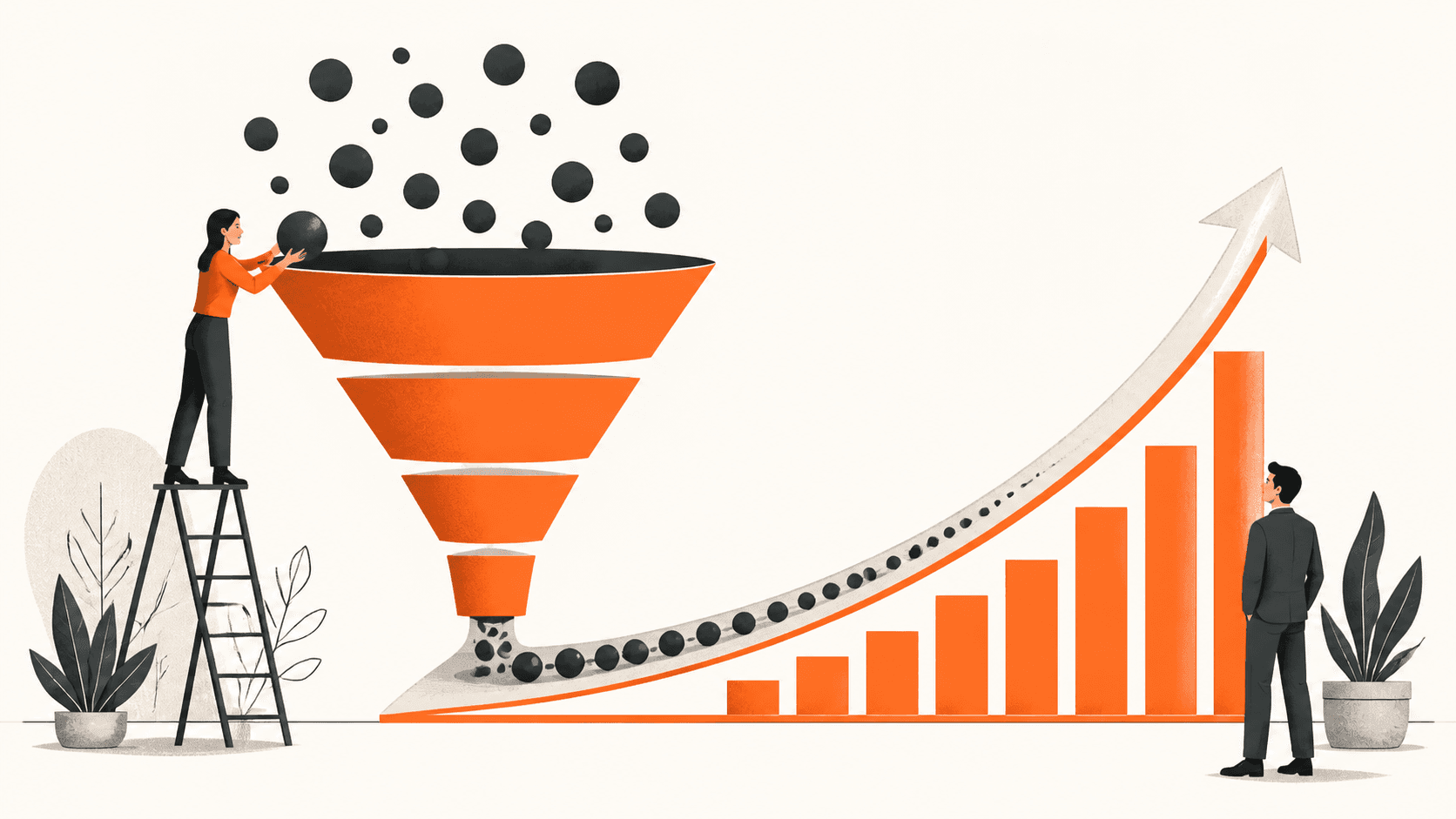
The Invisible Sales Funnel is a simple idea. Your lead always knows the next step, and you are always there at the right time. They never feel chased.
It works when your connected marketing system does the heavy lifting. Your website, your Google presence, your digital ads, and your follow-up all talk to each other.
Marketing should be a system, not a gamble. When everything is random, every slow week feels scary. When you have a clear system, you can adjust one part at a time instead of guessing.
Here is what often happens when a local service business fixes its invisible funnel, without throwing piles of money at ads:
- More of the right people find you at the exact moment they are ready to buy
- Your website answers key questions so fewer people shop around
- Your follow-up is timely and kind, so leads feel looked after, not pressured
- Booked calls grow because fewer leads slip through the cracks
The Three-Channel Marketing System That Makes It Work
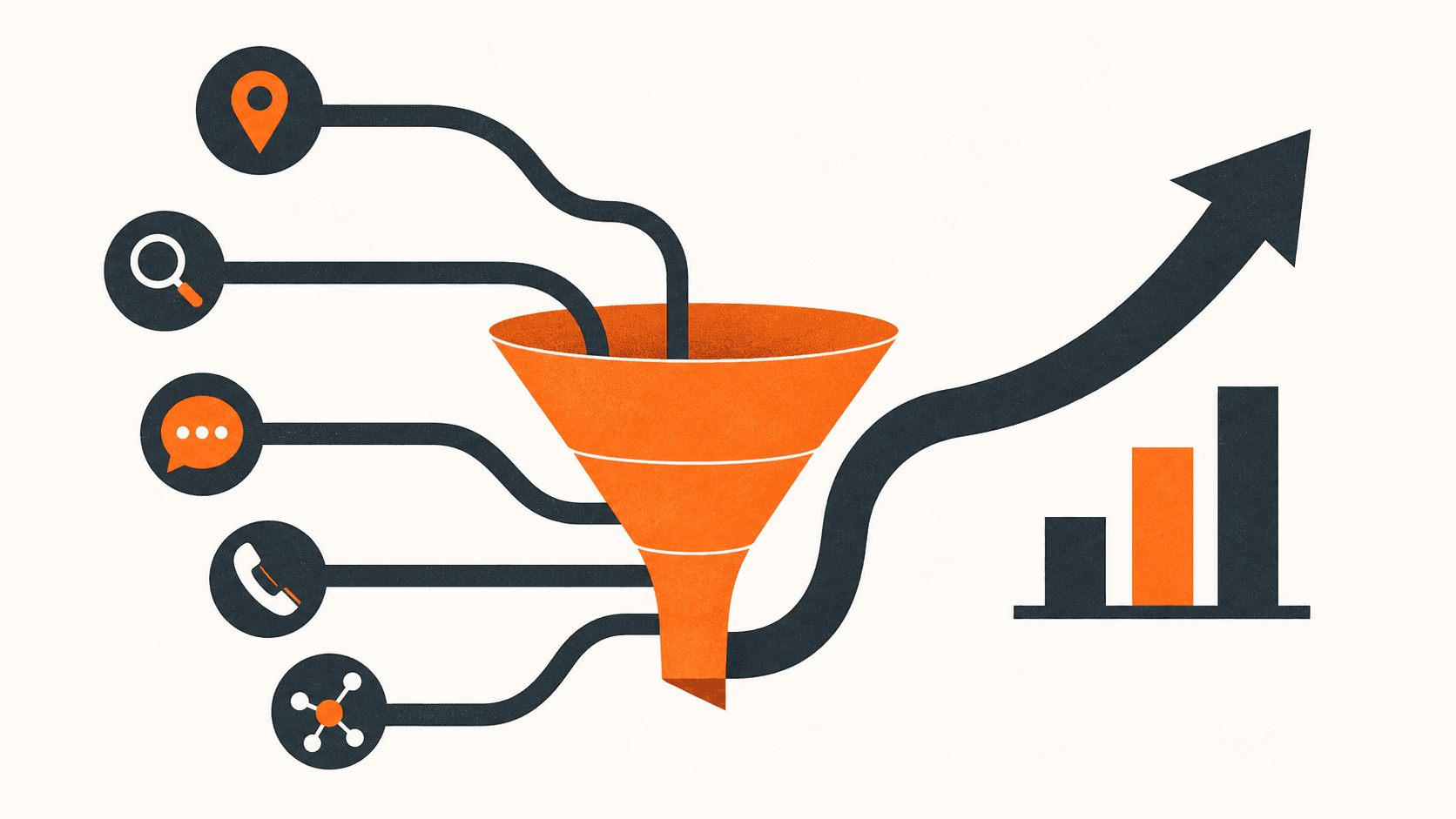
Our Invisible Sales Funnel runs on a simple Three-Channel Marketing System. Each channel plays a clear role.
- Local search and SEO so you rise up the ranks when people are ready to buy
- Paid digital ads to fill gaps and test messages fast
- Your website and landing pages to turn clicks into real leads
Here is how they work together.
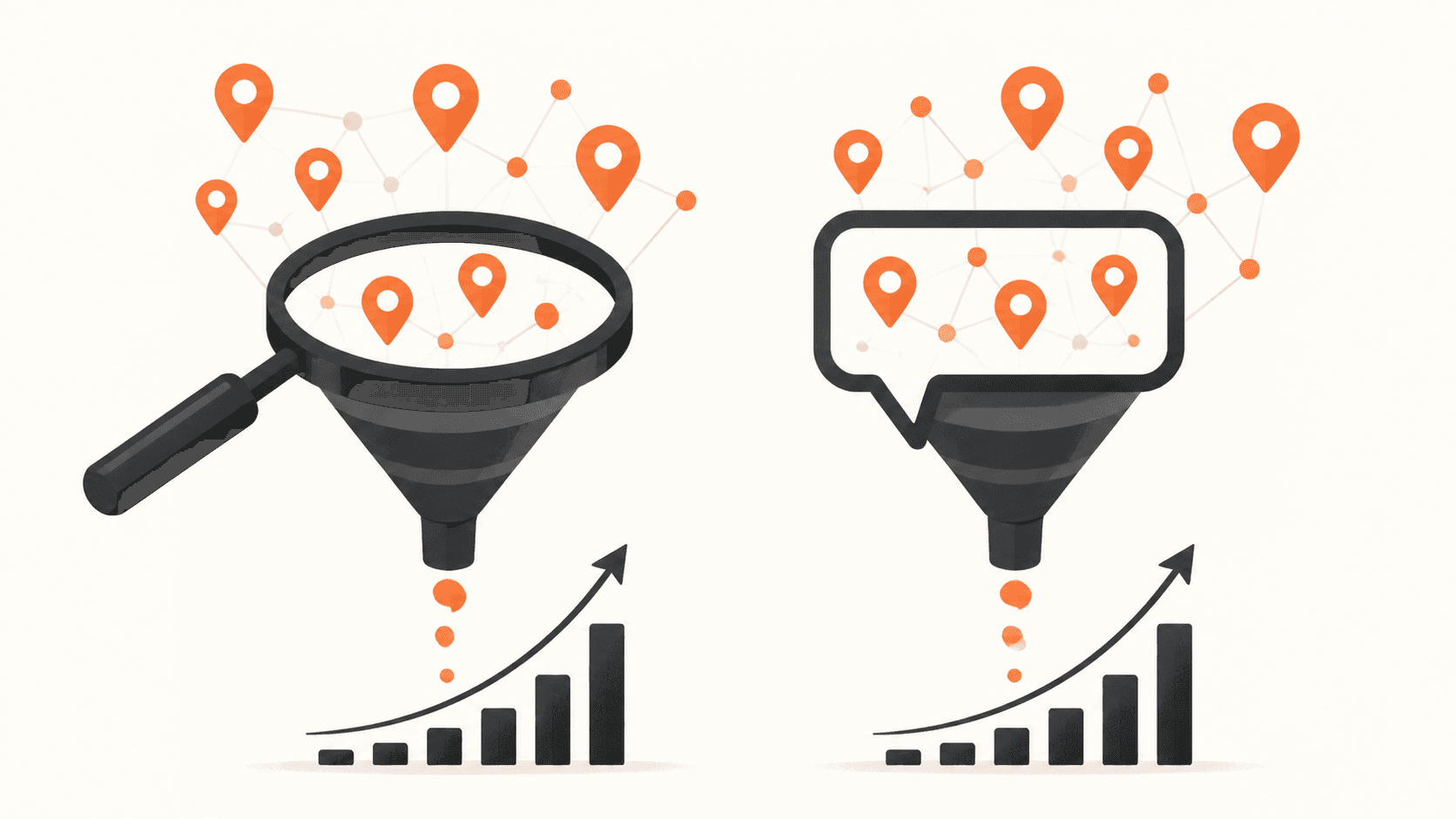
Local search and SEO put you where intent is highest. When someone types "[your city] + your service," they are not just browsing.
If your Google Business Profile and key pages are tuned up, you show up more often for those high-intent searches. That is where your best leads start.
Paid digital ads give you control. You can target certain neighbourhoods and test different offers. You can also keep leads flowing in slower seasons.
Ads reveal which messages and services get the most clicks. That data helps every other channel.
Your website and landing pages convert attention into action. They answer the "Am I in the right place?" question fast.
Then they make it easy to call, book, or send a quick message. That is how you turn visits into real conversations.
If you only lean on one channel, your results feel random and expensive. The power comes when all three feed one Invisible Sales Funnel.
Someone finds you on Google. They click an ad or an organic result. They land on a clear page. Then they enter a follow-up flow that feels like service, not spam.
How to Build a Sales Funnel for a Local Business, Step by Step
Here is a simple five-step flow you can use to build your Invisible Sales Funnel.
- Get found
- Turn visits into calls or form fills
- Answer fast
- Follow up without nagging
- Track what works
Step 1: Get Found
Your first concrete action is to fix your Google Business Profile and key local pages. This is the base of your Three-Channel Marketing System.
Focus on:
- Make sure your name, address, and phone number are correct and consistent
- Add clear service descriptions and real photos
- Pick the right primary and secondary categories
- Write short, location-based page copy for your main services
Step 2: Turn Visits Into Calls or Form Fills
Traffic without action does not pay the bills. Your website needs clear next steps.
Do this:
- Add obvious buttons like "Call Now" and "Get A Quote" above the fold
- Use short forms that ask only what you truly need
- On mobile, make your phone number a one tap call button
- Repeat calls to action down the page for skimmers
Step 3: Answer Fast
Speed to lead is the time between a lead reaching out and you responding. For local services, it can make or break your close rate.
Responding in a few minutes often beats responding in a few hours. You do not need a big team, you just need a simple setup.
Set yourself up with:
- Call notifications that go to more than one person
- Simple scripts so anyone answering knows what to say
- Alerts from web forms so no message gets buried in email
Step 4: Follow up Without Nagging
Not every good lead books on the first call. Your follow-up should feel like care, not pressure.
Use this approach:
- Send a short "thanks for reaching out" email or text with your name and key info
- Share one helpful resource, like a checklist or FAQ, instead of a hard pitch
- Set gentle reminders for yourself to follow up at set times
- Limit the number of touches, and always offer an easy way to say no
This is where we use CedarCRM to connect the dots. Our system keeps track of who called, who filled out a form, and who you still need to follow up with.
That way you stay out of spreadsheets and you keep the follow-up calm and consistent.
Step 5: Track What Works
If you cannot see where leads fall off, you cannot fix your funnel. You need simple, clear reports.
Focus your basic tracking on:
- Where leads first find you, Google, ads, or referrals
- Which pages they visit before they contact you
- How quickly you answer new leads
- Which sources lead to actual booked work
We use CedarCRM to centralize this info so you see patterns, not random events. That lets you make small, smart changes instead of big guesses.
Turning Every Call and Click Into a Real Conversation
Every missed call is a missed opportunity. For local businesses, that one habit quietly kills more funnels than bad ads ever will.
You work onsite, you drive, you juggle jobs. You cannot grab every call yourself.
So you need simple ways to protect your speed to lead. A few small changes can protect a lot of revenue.
Practical ideas that work for many local teams:
- Call routing so a backup person or service can catch overflow calls
- Short, friendly text replies when you are onsite and cannot talk
- An online booking option that feeds straight into your calendar
- Voicemail that sets clear expectations for when you will reply
When we set up CedarCRM for a local business, we log calls, forms, and texts in one place. You keep the full story of every lead.
You remember what they asked, what you promised, and when to follow up. That is what The Invisible Sales Funnel really is.
The lead feels heard and helped, not pushed or forgotten. You feel in control instead of scrambling.
How to Use a 90-Day Growth Plan to Build Your Funnel
You do not need a giant campaign to build this. You need a simple 90-Day Growth Plan.
Ninety days is long enough to see real results. It is short enough that you stay focused.
Here is how to split it into three 30-day blocks.
Days 1 to 30: Fix the Basics
Start with the foundation. Get your core assets in order.
- Clean up your Google Business Profile
- Refresh your homepage and one or two key service pages
- Set up call and form tracking inside CedarCRM
- Make sure your main calls to action are clear on desktop and mobile
Days 31 to 60: Launch or Tune Ads and Tighten Follow up
Now start feeding your system with more traffic. At the same time, improve how you handle each lead.
- Turn on a small digital ad campaign to your top service
- Test two or three messages or offers
- Build simple email and text follow-ups inside CedarCRM
- Watch which keywords and ads bring the best leads
Days 61 to 90: Improve Speed to Lead and Scale What Works
At this stage you know what is working. Your job is to respond faster and put more fuel on the best channels.
- Add call routing or backup answering
- Shorten your response time to new leads
- Put more budget into the channels that produce real jobs
- Trim or pause what does not convert
Your Three-Channel Marketing System and CedarCRM plug into every step. The key is staying consistent.
Building a sales funnel for a local business is less about a single launch. It is more about steady weekly moves that connect your marketing into one clear system.
Your Next Step to Build Your Invisible Sales Funnel
Marketing should be a system, not a gamble. The Invisible Sales Funnel gives your local business that system.
It lines up your local search, ads, website, and follow-up so buyers feel like they sold themselves before you ever speak. Your best buyers are already researching quietly.
Your job is not to push them. It is to guide their path.
Your next step is simple. Map your current Five-Step Flow on one page, then decide where CedarCRM and your Three-Channel Marketing System can remove the most friction in the next 30 days.
Get Started With Your Project Today
If you are ready to turn more local prospects into loyal customers, we can help you map out every stage of your funnel. Start by exploring How to build a sales funnel for a local business to see the exact process we use at Curve Communications. When you are prepared to talk specifics about your goals and budget, simply contact us and we will walk you through your next steps.