Why Your Lead Follow-up Feels Broken
You pay for ads, upgrade your website, maybe sponsor a local event, and the phone rings for a bit. Then it goes quiet and you are left wondering what actually worked. You do not have time to chase every form fill or missed call, so some leads just fall through the cracks.
Every missed call is a missed opportunity. Not just a small annoyance. If someone reaches out and you do not respond fast, they usually call your competitor. Slow follow-up quietly drains profit and makes your marketing feel like a gamble.
After more than two decades working with small businesses across Canada, we have learned a simple truth. Marketing should be a system, not a gamble. In this article, we will compare hiring more staff with building a connected marketing system, so you can see the real costs and choose the path that fits your growth plans.
The Real Cost of Hiring Staff to Handle Leads
Hiring someone to answer phones and follow up on leads feels like the obvious move. On paper, it is simple. In practice, the costs stack up quickly.
For a typical full-time hire, you are paying for things like:
- Base salary or hourly wage
- Payroll costs and vacation pay
- Training time and lost productivity while they ramp up
- Software licences, phone line, and other tools
- Desk space and management time
You can plug in your own numbers, but once you add it all up, that new person is a big fixed cost every month.
Then there are human limits. One person can only:
- Answer a certain number of calls at once
- Send a limited number of personal emails and texts each day
- Remember so many follow-up tasks without missing something
Speed to lead suffers as soon as they get busy, step into a meeting, call in sick, or quit. Every missed call is a missed opportunity all over again. That hits revenue, not just your patience.
There is also the stress on you. When your whole lead process depends on one or two people, you feel stuck. You keep thinking you need just one more hire, instead of a repeatable process that makes every person on your team more effective.
What a Connected Marketing System Actually Looks Like
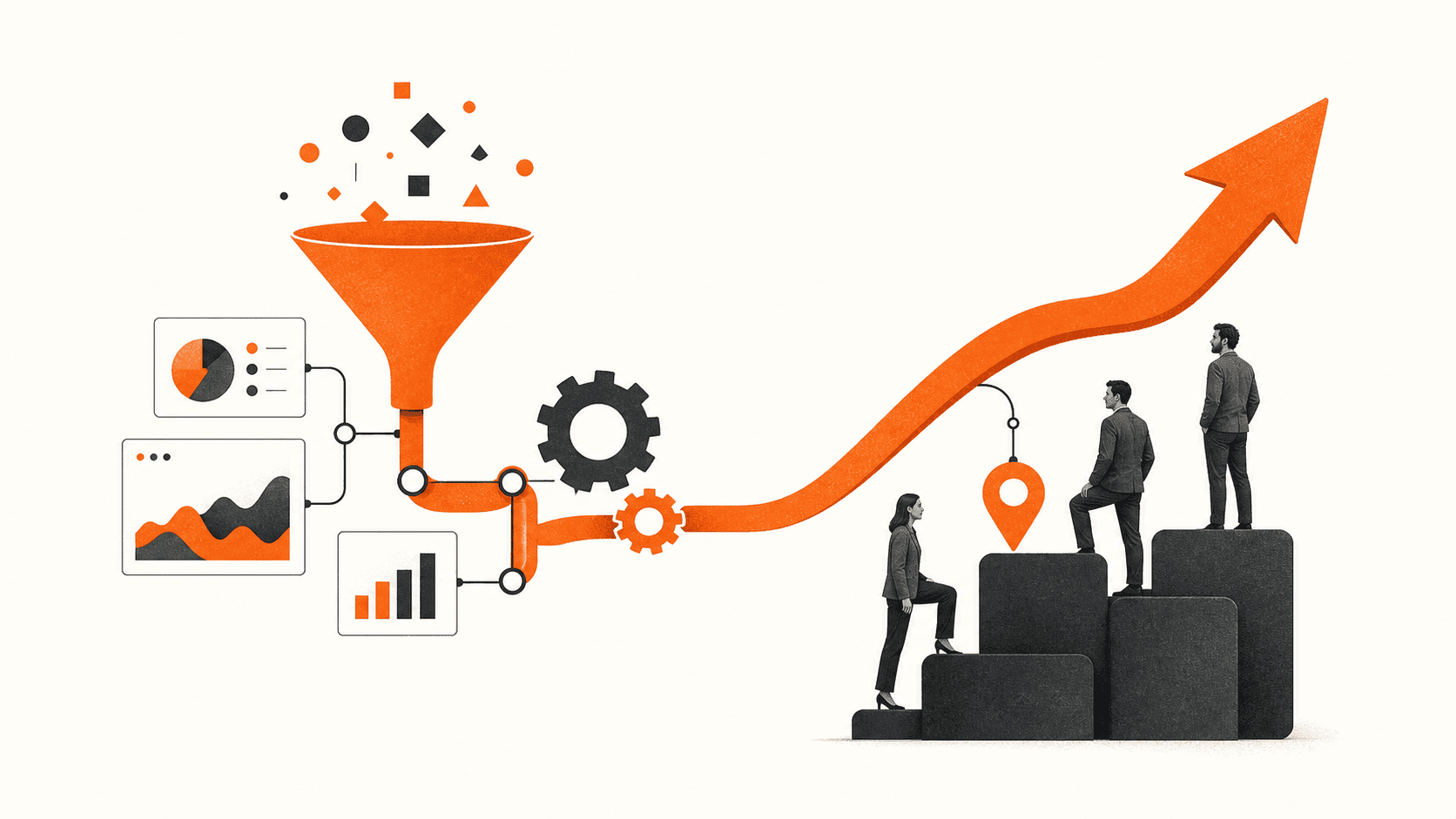
A connected marketing system pulls everything together. Your website, local SEO, and paid ads all drive into one place. Then automation and humans work together to turn raw leads into booked jobs and repeat customers.
We use what we call a Three-Channel Marketing System:
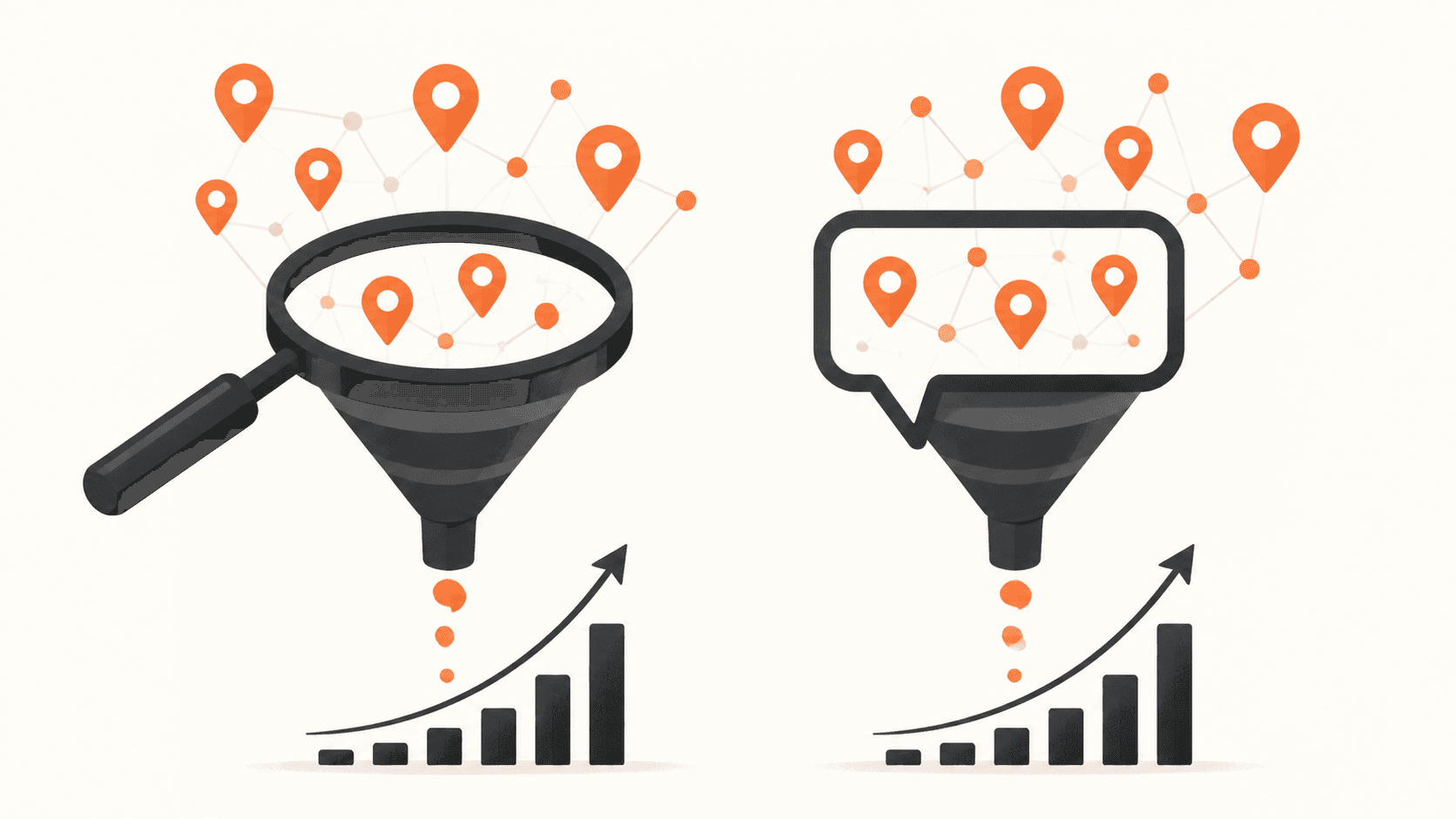
- Search: Local SEO and Google Business Profile work to help you rise up the ranks when people search for your service.
- Paid: Targeted ads that can be turned up or down based on season and budget.
- Reputation: Reviews and referrals that build trust before you even speak to someone.
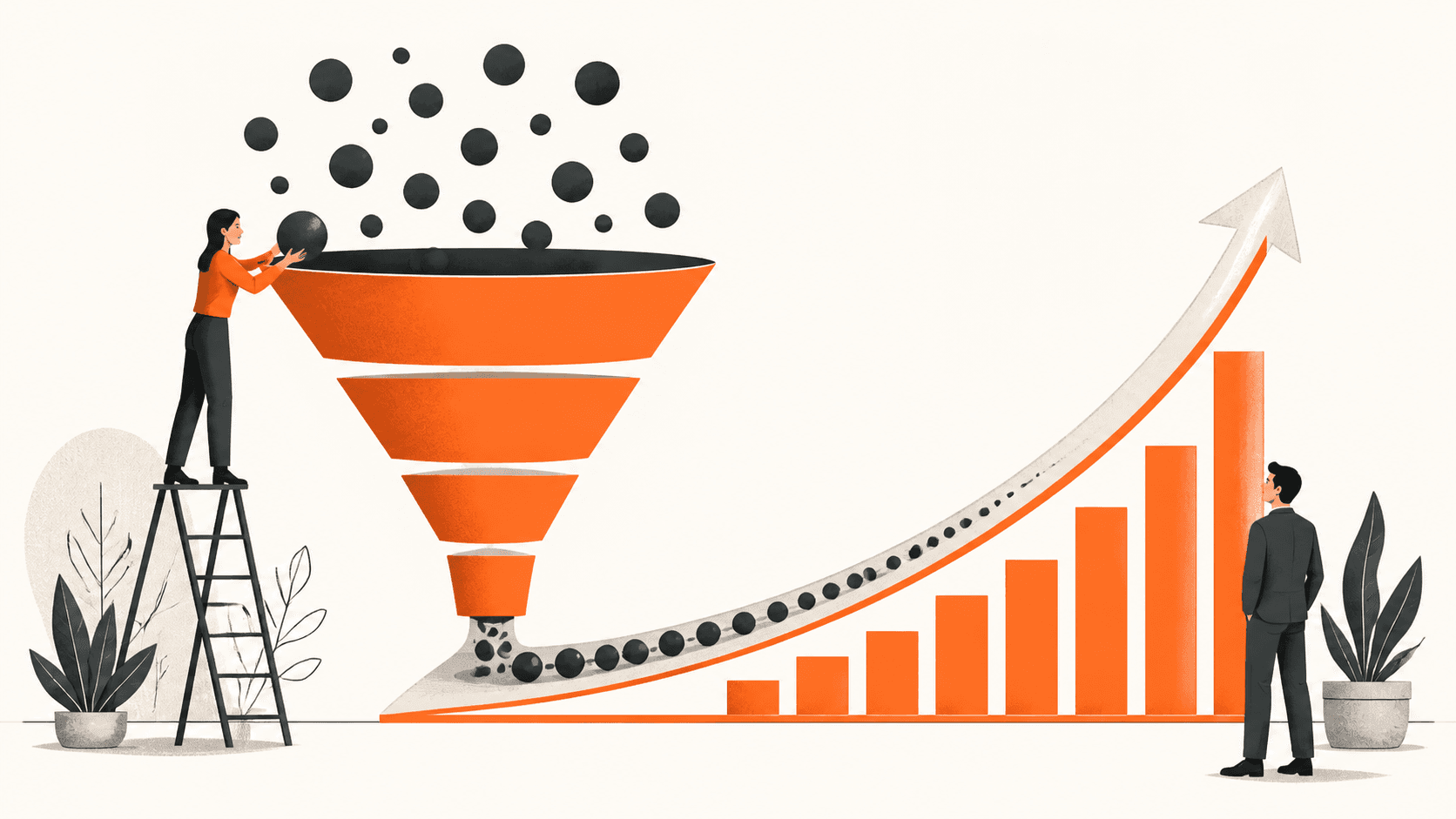
All of this feeds into what we call The Invisible Sales Funnel. It is the path from "I might be interested" to "I booked a call." The funnel uses:
- Automated texts that reply to new leads within minutes
- Simple email sequences that answer common questions
- Reminders so people show up for calls and appointments
- Follow-up offers for quotes that have gone quiet
CedarCRM sits at the centre as the hub. Calls, forms, texts, and bookings all land in one place so you can track every lead. A real lead generation system for small businesses cannot keep marketing and follow-up in separate tools. They have to work together or you keep leaking money.
Automation vs Staff: Straight Cost Comparison
When we compare options with owners, we usually look at two scenarios.
Scenario A:
- Hire a full-time person to answer phones and chase leads
- Pay ongoing salary, benefits, and management time
- Train them, then retrain if they leave
Scenario B:
- Keep your existing team
- Add marketing automation plus CedarCRM as your central system
- Train your team once on a clear process that works for everyone
With automation, your fixed costs are usually much lower than a full salary. You also get a system that stays in place even as staff come and go. Training happens once, then every new person plugs into the same playbook.
Speed to lead is the real difference:
- Automation responds within a few minutes, every single time
- A busy human might take 30 minutes, a few hours, or forget entirely
Faster response often means more leads turn into booked calls, even if your lead volume stays the same. The system also never forgets to send reminders, review requests, or check in on a quote. Your team can focus on real conversations, not copy and paste emails.
You do not replace humans. You give them a machine that keeps your Invisible Sales Funnel running in the background, even when they are slammed.
Building a Lead Generation System for Small Businesses
So what does a proper lead generation system for small businesses actually include? At minimum, you want:
- Clear offer pages on your website that match what people are searching for
- Local SEO so your business can rise up the ranks in your area
- Paid campaigns sized to your budget and busy seasons
- Follow-up workflows in CedarCRM that handle texts, emails, and reminders
We like to keep the structure simple with a 3-step framework.
- Attract
Get more of the right people to raise their hand. Your Three-Channel Marketing System does the heavy lifting here.
- Capture
Make it easy to contact you.
- Click-to-call buttons
- Short web forms
- Options to text you from your website or ads
- Convert
Use automation and your team together.
- Automated replies confirm you received the enquiry
- CedarCRM shows your staff who to call and when
- Reminders reduce no-shows, and review requests come out after the job
You can get a basic Three-Channel Marketing System live in about 90 days if you are focused. That is enough time to improve your speed to lead, set up simple workflows in CedarCRM, and start seeing which channels are actually producing revenue.
The big shift is mindset. Marketing should be a system, not a gamble. Once the system is in place, every new hire you do make is more productive because they plug into the same machine instead of inventing their own way of doing things.
How Automation Changes Your Day-to-Day Workload
Before automation, your days probably look like this:
- Missed calls while you are on the job or in the truck
- Sticky notes and spreadsheets full of half-finished leads
- Staff wasting time chasing no-shows
- Guessing which ad or campaign did anything at all
After you put a connected marketing system in place, the day feels different. New leads flow into CedarCRM from your website, local SEO, and ads. Instant replies go out automatically. Your team opens one screen and sees a simple list of who to call, who is booked, and who needs a follow-up.
Automation also protects your marketing spend. If you are paying for clicks or calls, you want every lead to get more than one rushed voicemail. A good system gives each contact multiple touchpoints over a few days: text, email, and phone, without extra pressure on your staff.
You should also expect clear, simple reports, not fancy dashboards you never look at. Things like:
- Calls in and forms filled
- Booked appointments or jobs
- Revenue linked back to each channel
Once you see that, you know what to turn up, what to turn down, and where a human hire will actually pay off. That is how you get real growth without guessing.
Turn Your Website Visitors Into Reliable Revenue
If you are ready to turn curiosity into consistent customers, our team at Curve Communications is here to help you build a proven lead generation system for small businesses. We will work with you to clarify your offer, tighten your messaging, and set up the right tracking so you can see which leads turn into sales. When you are prepared to talk through your goals and next steps, contact us so we can map out a practical plan that fits your budget and timeline.