Why the First 90 Days Matter So Much
You have likely spent money on marketing before and watched very little change in your leads or sales. Another agency proposal that promises the moon probably makes you nervous, and fair enough. The first 90 days either prove you are building a real system or show you it is just random tactics.
At our agency, we treat those first 90 days as a clear project with a start, middle, and end. In this article, we walk you through what happens in that window so you know what you are buying. Our goal is to build a simple, connected lead generation system for your small business that turns strangers into booked calls and sales.
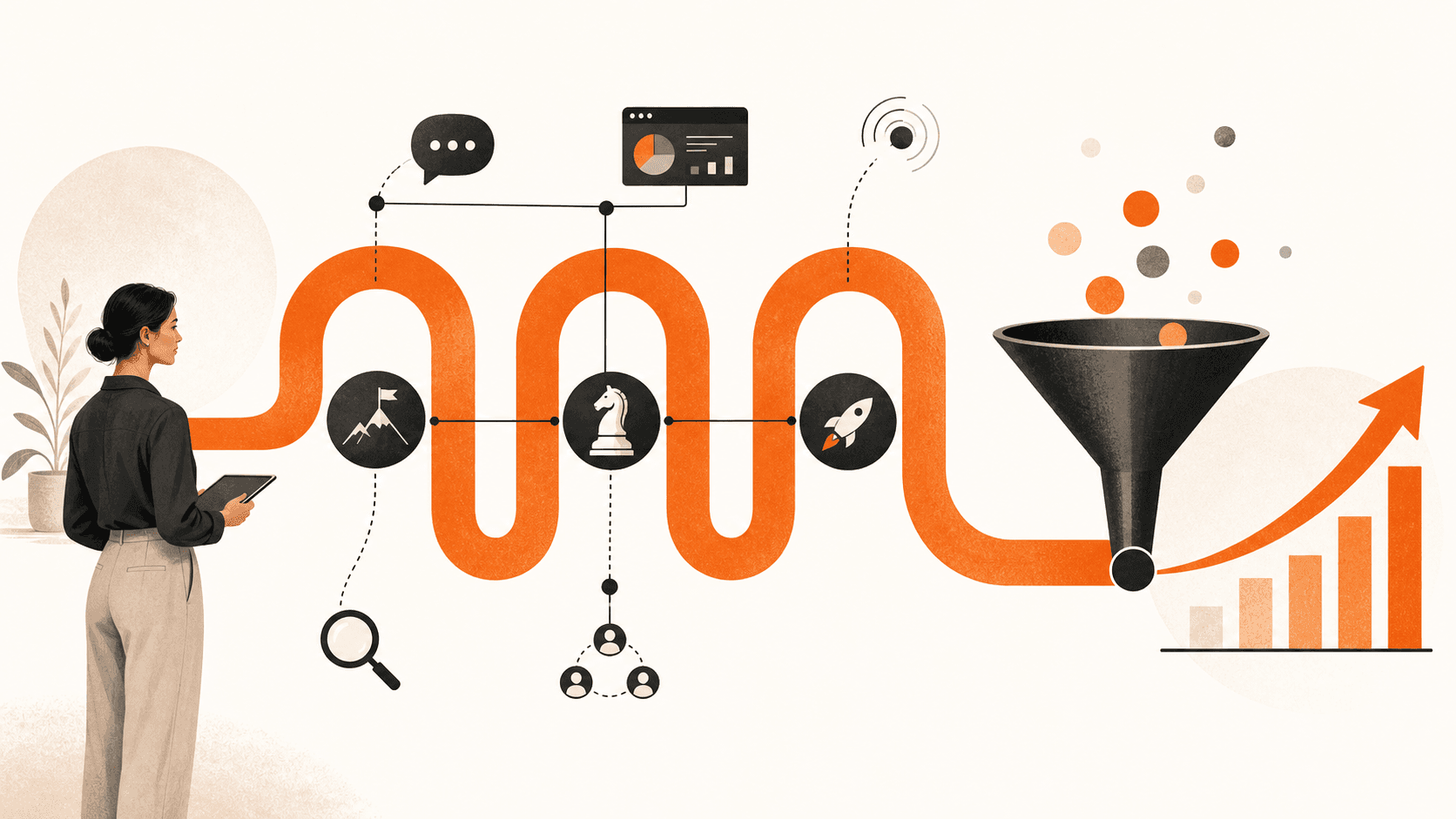
Our 90-day framework is straightforward. Diagnose, Build, Optimize. Each phase has clear steps, timelines, and check-ins so you always know what we are working on and why.
Weeks 1 to 2: Diagnose What Is Really Going On
The first two weeks are about clarity. No fancy graphics. Just honest questions and straight answers.
We start with a discovery and clarity session. In that meeting, we:
- Ask blunt questions about your numbers, past marketing, sales process, and capacity
- Define your main money goal for the next 12 months
- Map how someone goes from "never heard of you" to "paid invoice" in your world
We want to know how many leads you get now, how many convert, and where you feel stuck. If you do not know your numbers, we help you ballpark them so you have a clear starting point.
Next, we audit your current marketing and sales. We review:
- Your website and how easy it is to contact you
- Your analytics and basic tracking
- Your SEO, ads, social, email, and CRM or spreadsheets
We look for drop-off points, slow response times, weak offers, and mixed messages. Then we walk you through what we find in plain English. No jargon. If we say your forms are not tracked, we show you what that means on screen.
From there, we build a strategy and action plan for the first 90 days. You see:
- What we will fix first
- What we will build and test
- How we will measure success, like form fills, booked calls, and cost per lead
You do not get a giant wish list. You get a short list of priorities that directly support your main money goal.
Weeks 3 to 5: Build Your Lead Generation Foundation
Once we know what is broken, we fix the foundation. This is where your lead generation system for your small business starts to take shape.
We begin by plugging the money leaks on your website. We:
- Tighten your homepage and key service pages so visitors know who you are and what you do in seconds
- Add or improve calls to action such as "Book a Call" or "Get a Quote"
- Remove extra clicks that slow people down
We also set up basic tracking so we can see which pages and buttons actually bring leads. That way we are not guessing later.
Next, we help you create offers that real people want to respond to. Often that is something simple, like:
- A free consult
- A quote
- A short assessment or audit
We make sure each offer matches a real pain your best customers feel right now. Then we write clear landing pages and thank-you pages that sound like you and match your brand.
The last piece in this phase is your CRM and follow-up. If you already have a CRM, we clean up how leads come in, get tagged, and get assigned. If you do not, we suggest a right-sized tool and set up the basics.
We then build a short email or text follow-up sequence so new leads do not sit in someone's inbox. This is where your system starts to feel real. Leads are tracked and no one falls through the cracks.
Weeks 6 to 8: Turn On Traffic and Start Testing
With your foundation in place, we can start sending more people to it. This phase is about smart traffic and fast feedback.
We launch simple, focused ad campaigns. We usually:
- Start with one or two channels that fit your budget and buyers, often Google or Meta
- Build small, clear campaigns that send people to your new offers, not your busy homepage
- Set daily or weekly budgets you are comfortable with
You see the numbers. Spend, clicks, and leads are not hidden inside a mystery report.
At the same time, we improve how you show up in search. We:
- Fix basics like title tags, meta descriptions, and headings
- Create or tweak a few core pages that matter most for your type of business
- Clean up local listings where needed
We are clear about what SEO can and cannot do in 90 days. You will not jump to the top overnight. You can start to rise up the ranks and feed the system over time.
A tight feedback loop with your sales team is key here. We talk to the people who answer the phone or handle the form leads. We ask:
- Which leads are ready to buy
- Which ones are just browsing
- Which ones are a bad fit
Then we adjust keywords, ads, and forms based on what your team says, not just what the click data shows. By the end of this phase, we start to see early signs of what your future system needs more of and less of.
Weeks 9 to 12: Optimize, Scale, or Shift Gears
The final stretch of the first 90 days is where we make sharper decisions. We now have real data, not guesses.
First, we review the numbers together. We look at:
- Reach and clicks
- Cost per lead
- Lead quality and close rates
We compare those numbers to the goals we set at the start. If something is not working, we stop it, even if we built it. Then we move time and budget to what is actually working.
Next, we improve conversion at each step. That can mean:
- Testing new headlines or shorter forms
- Tweaking offers so they match what people are asking for
- Adjusting targeting and keywords to focus on your best customers
We also clean up any gaps in follow-up, like slow replies, unclear emails, or missed calls. Often small changes here bring faster wins than adding more traffic.
Finally, we plan your next 90 days. By now, you have a working system, not a random mix of tactics. We show you what a more mature lead generation system for your small business can look like for you. That might include more content, email nurturing, simple marketing automation, or new markets.
You leave this phase knowing what to double down on, what to drop, and what to build next.
How to Know You Are Ready for the First 90 Days
Not every small business is ready for this kind of focused work, and that is okay. A quick self check helps.
You are a good fit if:
- You know your average sale value or are willing to figure it out
- You can handle at least a small increase in leads without breaking your team
- You are open to changing scripts, offers, or old habits if the data says so
You should also know what to expect to feel during the process. The first two weeks can feel like homework and hard questions. Things start to feel clearer once you see the plan on one page.
By week 6, you usually start to see patterns, both good and bad, and you feel more in control. By week 12, you have a working system and a clear path forward, instead of hoping the next random tactic will finally work.
Your next step is simple. Decide if you are ready to commit to a focused 90-day push instead of another random tactic.
Turn More Website Visitors Into Reliable Revenue
If you are ready to turn inconsistent enquiries into steady, qualified opportunities, we can help you build a proven lead generation system for small businesses tailored to your goals. At Curve Communications, we focus on practical strategies that fit your budget and your capacity to follow up. Tell us about your growth targets and we will map out the next steps with clear priorities and timelines. Have questions or want to talk it through first? Just contact us and we will respond promptly.