Stop Losing Clients Before They Even Call
Your website gets visitors, but the phone is quiet and your inbox is thin. You tweak your ads, blame bad leads or a slow market, and hope next month will be better. Nothing really changes.
Most of the time, the problem is not demand. It is a handful of small website mistakes that quietly block good prospects from becoming paying clients. Fixing those mistakes with conversion-focused website design is what turns clicks into booked jobs.
We build connected marketing systems for local service businesses. In this article, we will walk through seven common website mistakes we see every week and how to turn your site into an Invisible Sales Funnel that keeps working while you are on the job site or on the road.
No clear next step for visitors
Many homepages look busy, but do not tell visitors what to do. There is a logo, a slider, some random text, and a menu with ten options. The result is quiet confusion. People think, "This looks fine," then click back and hire the company that made the next step obvious.
Weak or buried calls to action are one of the biggest conversion killers. If your main button says "Learn More" or is hidden below the fold, you are making prospects work to give you money.
A strong main call to action is:
- Clear, like "Request a Free Quote" or "Book a 15-Minute Call"
- Specific, so they know exactly what happens next
- Repeated, in the header, hero section, and several times down the page
In a connected marketing system, your ads, SEO, and social posts should all point to this same next step. Your website, your follow-up, and your automation need to agree on the one action you want people to take. That is the start of an Invisible Sales Funnel instead of a pretty brochure.
Slow, clunky site that bleeds trust
Speed is a trust signal. If your site is slow or clunky, people assume your service will be the same. On a phone, a one- or two-second delay is often enough for someone to tap back and call a faster competitor.
For service businesses, this is deadly. A lot of your visitors are:
- Standing in a driveway
- On a lunch break
- Dealing with an urgent problem
They will not wait for a bloated page or a heavy form to load. Slow sites destroy your speed to lead, which is how quickly you can turn interest into a conversation.
Simple fixes that support conversion-focused website design include:
- Compressing images so pages load faster
- Removing old plugins and scripts you do not need
- Making phone numbers tap-to-call on mobile
- Keeping forms short and mobile-friendly
Marketing should be a system, not a gamble. The system starts with a site that loads quickly, works smoothly, and lets people take action in seconds, not minutes.
You talk about yourself, not their problem
A lot of service websites start with "We have been in business for X years" and a long story about the founder. Your visitor is thinking about a leaking pipe, a failed furnace, or a project deadline. They care about their problem first.
Buyers scan your homepage for:
- Their problem
- A clear benefit
- Proof you can deliver
Your story matters, but it comes second. To build a conversion-focused website design, flip your copy.
Try this order:
- Lead with their pain, cost, or risk.
- Explain your solution in plain language.
- Back it up with proof like reviews or case stories.
This simple shift makes your site feel like a helpful advisor, not a company brochure. When visitors feel understood, they are far more likely to click your quote button or pick up the phone.
Making it hard to call, text, or book
Every missed call is a missed opportunity. For most service businesses, people hire the first company that answers or responds. If your contact options create friction, you are handing work to competitors.
Common friction points include:
- Tiny phone numbers hidden in the footer
- No click-to-call button on mobile
- Long, complicated forms with too many fields
- No after-hours options when your office is closed
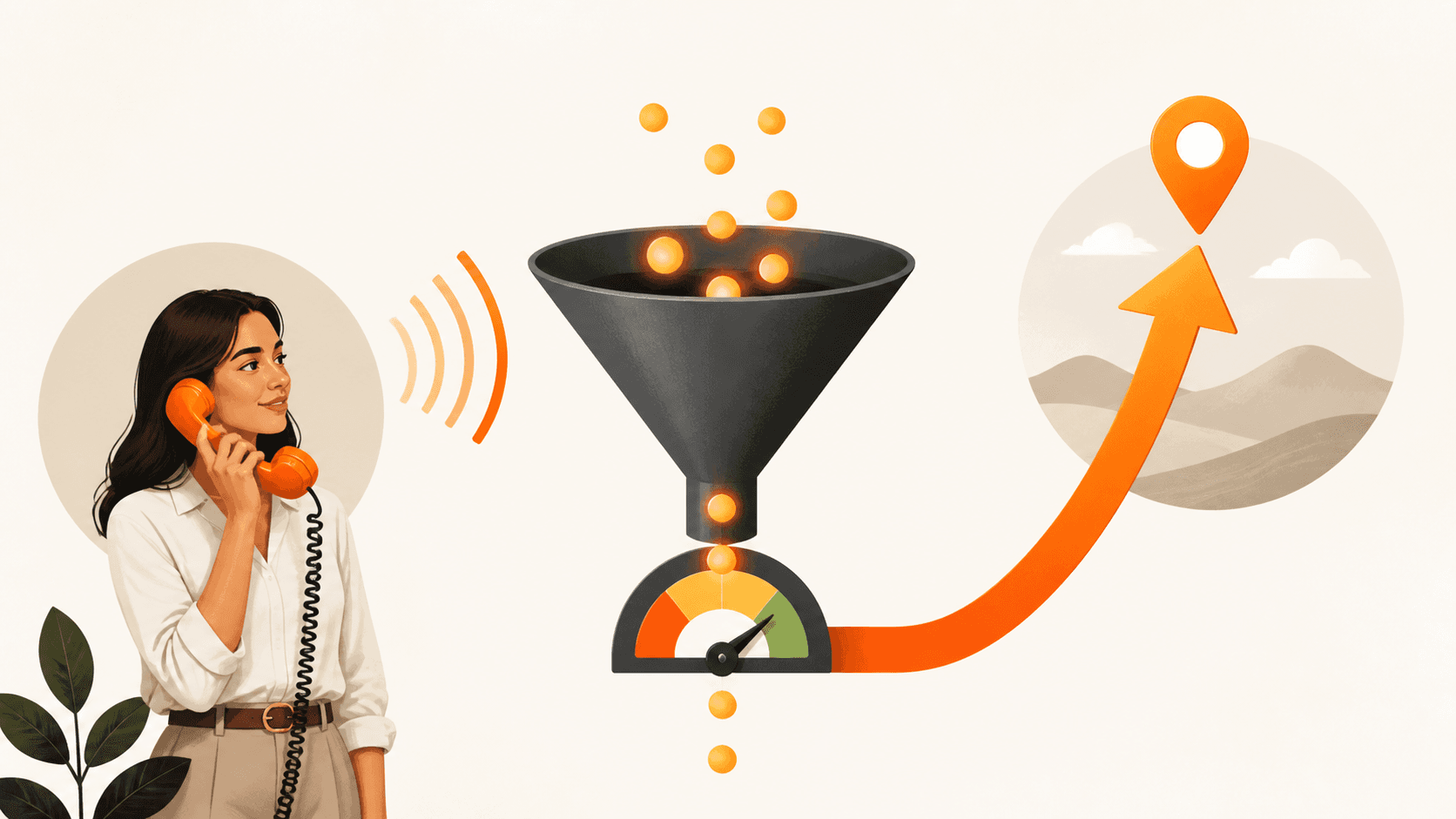
A better approach is to turn your site into an Invisible Sales Funnel that captures interest any time of day, then feeds it into a CRM.
Some simple tools we use as part of CedarCRM include:
- Online booking for quotes or inspections
- Instant call-back forms that trigger a quick response
- Short quote request forms that auto-create leads in your CRM
This kind of setup protects your speed to lead. Even if you are busy on a job, your system is capturing the lead, logging the source, and queuing up fast follow-up.
No trust signals where they matter
Visitors are asking one question: "Can I trust you in my home or on my site?" If your website does not answer that quickly, they will keep shopping.
Trust signals are simple things like:
- Reviews from real customers
- Photos of real jobs and team members
- Guarantees or warranties you actually honour
- Clear price ranges or what affects pricing
Many sites bury these on a separate Testimonials page. That is a mistake. You want trust right beside your calls to action.
For example:
- Add "Over X Google reviews" near your phone number
- Place a short testimonial beside each main service
- Put a trust badge or guarantee near your quote form
In our Three-Channel Marketing System, we focus on reviews, search traffic, and ads that all point to a site that proves you are safe to choose. Your trust signals need to be visible at the exact moment someone is about to call or click.
Treating your website as a brochure, not a system
If you see your website as a one-time project, it will slowly stop working. Content gets stale, tracking breaks, and no one really knows which pages or offers actually bring in leads.
This set-it-and-forget-it mindset turns marketing into a gamble. You guess what works, then hope for the best. A connected marketing system is very different. You treat the site like a living part of your sales process.
You can start small with tracking basics:
- Unique phone numbers for different campaigns
- Form tracking so you can see which pages convert
- Clear goals in your analytics, like quote requests or booked calls
Once that is in place, a 90-Day Growth Plan becomes possible. You test one change at a time, like a new headline or a shorter form, then watch what happens. Over time, your Invisible Sales Funnel gets better every month, not worse every year.
Ignoring SEO and local search basics
Most service buyers start on Google. If you are not visible, you never even get a chance to convert them. Ads can help, but if you ignore SEO and local search, you are leaving money on the table.
You do not need advanced SEO to win more work. You do need:
- Clear service pages that match what people actually search
- Local city or area pages if you serve multiple regions
- A strong and accurate Google Business Profile
Conversion-focused website design and SEO work together. SEO brings in more of the right visitors. Your design and copy turn those visitors into calls, quote requests, and booked jobs.
In our Three-Channel Marketing System, SEO, paid ads, and referrals all feed the same high-converting site and CedarCRM. That is how you rise up the ranks while keeping your speed to lead high and your sales pipeline steady.
Turn your website into a simple growth system
Most service business websites are not broken. They are just leaking leads through simple, fixable mistakes. No clear next step. Slow load times. Weak trust signals. Hard to contact. Treated like a brochure, not a system.
Marketing should be a system, not a gamble. Your website is the core of that system. When it is built with conversion-focused website design, plugged into a connected marketing system, and supported by tools like CedarCRM and a 90-Day Growth Plan, it quietly becomes your hardest working salesperson. Your Invisible Sales Funnel does the heavy lifting, so you can focus on running your crew and serving your customers.
Get Started With Your Project Today
If you are ready to turn more visitors into customers, our team can help you plan and implement a tailored conversion-focused website design that aligns with your business goals. At Curve Communications, we work closely with you to understand your audience, refine your messaging, and remove friction from every step of the user journey. Reach out to contact us so we can review your current site and map out the improvements that will have the biggest impact on your results.