Stop the Scroll: Why the First 5 Seconds Decide Everything
Your website has about 5 seconds to convince a visitor to stay. That first screen decides if they scroll, click, or close the tab and pick a competitor. If you are spending money on ads or SEO, those first few seconds can quietly kill your results.
This is where the 5-second website test comes in. It is a simple way to see what a stranger understands and feels in their first glance at your site. For small businesses that rely on steady lead generation, this test shows if your connected marketing system is leaking before it even starts working.
The 5-second test looks at three things on that first screen:
- Clarity: do people instantly get what you do?
- Trust: do they feel safe with you?
- Action: do they know what to click next?
Even a small drop in bounce rate can mean more phone calls, quote requests, and booked jobs each month. You are not increasing your ad budget. You are simply turning more of your current traffic into real conversations. Marketing should be a system, not a gamble. This test shows where the system breaks.
What Visitors Decide Before They Touch the Scroll Bar
When someone lands on your site, they make three snap decisions before they move a finger on the mouse or screen.
In those first moments, they are thinking:
- Am I in the right place?
- Can I trust this business?
- What should I do next?
The first decision often happens in under 2 seconds. If the page they see does not match what they expected from Google or an ad, their brain says, wrong place, and they bounce. All the effort to rise up the ranks on search or build good ads is wasted.
The second decision is about trust. People quickly scan for small cues, like:
- Real photos, not generic stock images
- Proof that others have used you
- Signs you are local and established
If trust is missing, they will not fill out a form or pick up the phone. They might stay on the page, but they are not becoming a lead.
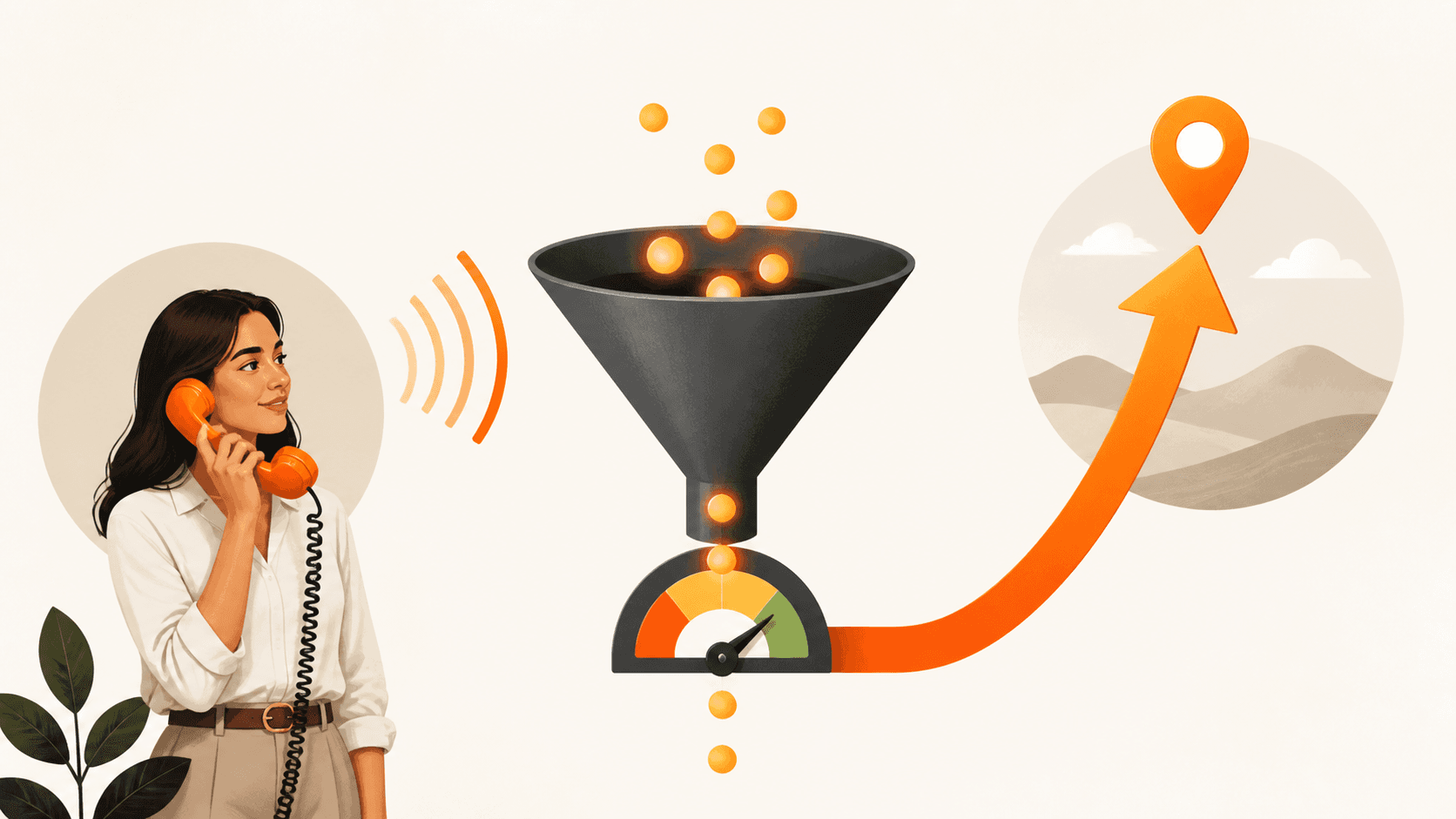
The final decision is about action. If it is not obvious what to do next, visitors wander. They read a bit, scroll around, then close the tab. For lead generation for small businesses, this is deadly. You need your website to act like The Invisible Sales Funnel, guiding people the way a good salesperson in your office would. That first screen should greet them, confirm they are in the right spot, and clearly point them to the next step.
The Simple 5-Second Website Test You Can Run Today
You do not need special software or a research firm. You can run this test in under 10 minutes using your laptop or phone.
Here is how to set it up:
- Pick your main landing page, usually your home page or a high-value service page.
- Ask 5 to 10 people who do not know your business well. Friends of friends are great.
- Share your screen on a video call or show them your phone.
- Load the page, let them look for 5 seconds, then close or switch away.
Right after, ask these three questions:
- What do you think this business does?
- Who do you think this is for?
- What would you click or do next on this page?
Write their answers down in their exact words. Do not explain or defend the page. Just listen.
Here is how to read what you get:
- If they cannot clearly say what you do, your main headline is weak or vague.
- If they guess the wrong audience, your images and copy are sending mixed signals.
- If they are unsure where to click, your primary call to action is not clear enough.
This is simple, but it is real-world gold. You are seeing your website the way a cold lead sees it. That view is what matters for your whole Three-Channel Marketing System.
Fixing the First Screen: Headline, Proof, and Next Step
Once you see the gaps, you can tighten that first screen. Start with your headline, then add proof, then fix the next step.
First, rewrite your main headline for clarity, not cleverness. Plain is powerful. A basic formula is:
- What you do
- For whom
- With what main benefit
For example, if you are a local service business, something like, More Local Calls and Bookings For Vancouver Home Services, is clearer than a cute slogan. Test it by asking someone to read it once, look away, then explain it back to you.
Next, add fast trust signals above the fold, meaning, on the part of the page people see before they scroll:
- One short line of social proof, such as, Trusted by local businesses across the Lower Mainland
- Two or three recognisable logos or review stars
- A real photo of you or your team, ideally in your actual workspace
Finally, make the next step painfully obvious:
- One main button with clear action text, like, Request Your 90-Day Growth Plan
- Your phone number near the top with wording like "Call Now" or "Tap to Call," for mobile users
- No competing buttons, forms, or menus fighting for attention
Every missed call is a missed opportunity, so do not make people hunt for your number. On mobile, that number should be tap-to-call-friendly.
Turning Your Home Page Into the Invisible Sales Funnel
Once the first screen is strong, connect it to the rest of your marketing. That is how your website becomes The Invisible Sales Funnel inside a connected marketing system.
Most small businesses we work with have three main traffic channels:
- People who find you in Google search through local SEO
- People who click on your paid ads, like Google Ads or social ads
- People who come from email, referrals, or offline events
Each channel should hit a landing page that matches their intent. If your ad says, Furnace repair tonight, the page should greet them with the exact same phrase. Same words, same offer, same promise. This keeps your 5-second test score high because there is no confusion to fight through.
Once visitors decide to act, speed to lead matters. To close more of the people who pass that first test:
- Use short forms that trigger instant text or email follow-up
- Connect calls, forms, and chats into a single system like our CedarCRM
- Track which leads came from which channel so you can improve over time
The difference between a booked job and a lost one is often how fast you respond to that first signal of interest.
From First Click to First Call: Making It a System
The 5-second test is only the front door. Once more people say yes to staying on your site, you need a plan to move them from curious to booked.
That is where automation supports lead generation for small businesses. Instead of sticky notes and inbox chaos, you can:
- Send every web form and chat straight into CedarCRM
- Trigger automatic text replies when a form comes in or a call is missed
- Use simple pipelines so you always know who is new, who needs a follow-up, and who is ready to buy
Consistency beats one-time website makeovers. Short monthly reviews of your top pages, plus a quick round of 5-second tests, will reveal small fixes you can make:
- Tweak a headline that people misread
- Change a button that blends into the background
- Test a clearer offer at the top of the page
Over time, these small moves compound. You get more leads from the same traffic. Your Three-Channel Marketing System tightens up. Your website starts working like a quiet, steady salesperson that never sleeps.
Your next step is simple. Run one 5-second test on your home page this week and write down what people say, then make one change on that first screen based on what you learn.
Drive Consistent Growth With Strategic Lead Generation Today
If you are ready to turn more of the right prospects into paying customers, we can help you build a tailored approach to lead generation for small businesses. At Curve Communications, we focus on strategies that fit your goals, budget, and local market realities. Reach out to our team to talk through where you are now and what kind of growth you want to see. You can contact us today to get started.