Why Your Nonprofit Marketing Feels Harder Than It Should?
You need more donors, volunteers, and partners.
You also need every dollar to go as far as possible.
So you try a bit of everything, social posts, emails, events, maybe a few ads, and it all feels scattered and hard to track.
It should not be this hard to see what is working.
The pressure is real.
Your board wants growth, your team is small, and you probably do not have a full-time marketing person.
When marketing feels like a gamble, every new idea feels risky.
You are not sure where to put your limited time and money.
We believe marketing should be a system, not a gamble.
At Curve, we build what we call a connected marketing system for small organisations, and you can use the same approach in your nonprofit.
You will see how the Three Channel Marketing System and The Invisible Sales Funnel can work on a tight budget.
You can start small and still see clear results.
What a Connected Marketing System Looks Like on a Nonprofit Budget
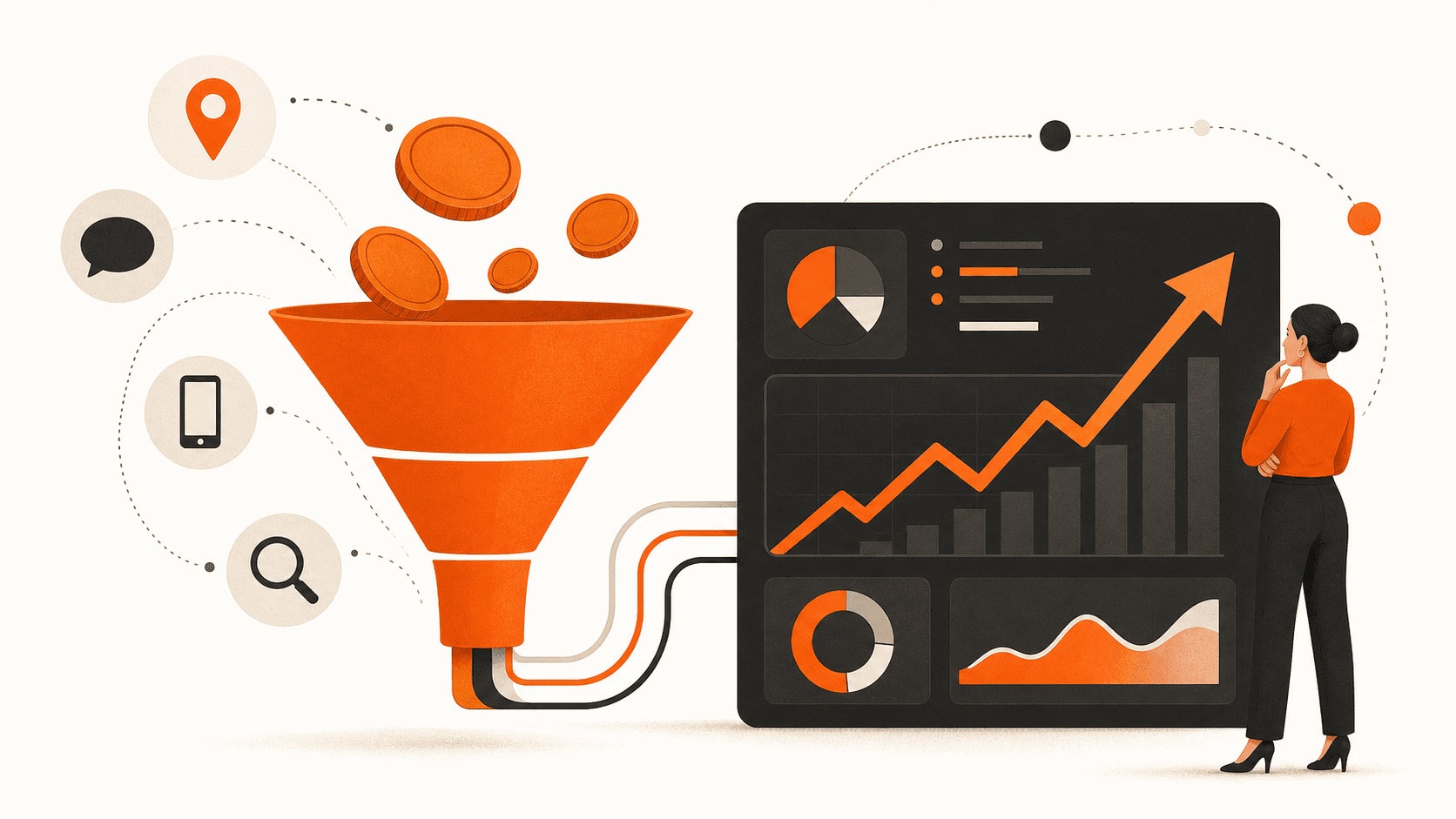
A connected marketing system is when all your tools talk to each other and work toward one clear goal.
Your website, email, social media, ads, and phone calls all flow into one place, instead of five spreadsheets and three inboxes.
Every contact is tracked from first touch to donation or sign-up.
You always know what happened with each person.
The core pieces can be simple and low cost:
- A website or landing page with one main action: donate, volunteer, or book a call
- A basic CRM, like CedarCRM, to store contacts and track follow-up
- A follow-up engine (email and text) that runs even when you are busy
- Clear rules for who responds, how fast, and in what order
This approach beats random acts of marketing.
You stop guessing which channel works because the CRM shows where contacts came from.
You stop losing leads when staff change because history is in one place, not in personal inboxes.
When you move to this style of system, you often see more donors and volunteers without raising ad spend because you are no longer leaking opportunities.
The Three Channel Marketing System for Nonprofits
Your supporters sit in three groups.
Our Three Channel Marketing System is about meeting each group where they are, then sending them into your connected marketing system.
Once you see the groups, your choices get much simpler.
Channel 1 is people already looking for you.
They search terms like "food bank" or click a referral link from a partner.
To capture them, focus on:
- Fix your homepage so visitors know who you help and how in five seconds
- Use simple SEO so you rise in the ranks for local, cause-based searches
- Add clear forms and phone numbers on every key page
Every missed call is a missed opportunity, so make your phone number easy to see on mobile and desktop.
Channel 2 is people who know your cause but are not active yet.
Past donors, event attendees, and followers sit here.
You want to warm them up and invite them back.
- Build one main email list for donors, volunteers, and partners
- Send a short update every two weeks with one story and one clear ask
- Reuse content from events and social so you are not starting from zero each time
Channel 3 is people who have never heard of you.
You reach them with low-cost ads and partnerships.
Start small so you can see what works.
- Start with small test budgets on search or social, even 5 to 10 dollars a day
- Target by location and interest, not everyone in the country
- Track which ad brings contacts into CedarCRM so you can pause what does not work
When all three channels flow into the same system, marketing starts to feel steady instead of frantic.
You know where new contacts are coming from and what they do next.
The Invisible Sales Funnel and Speed-to-Lead
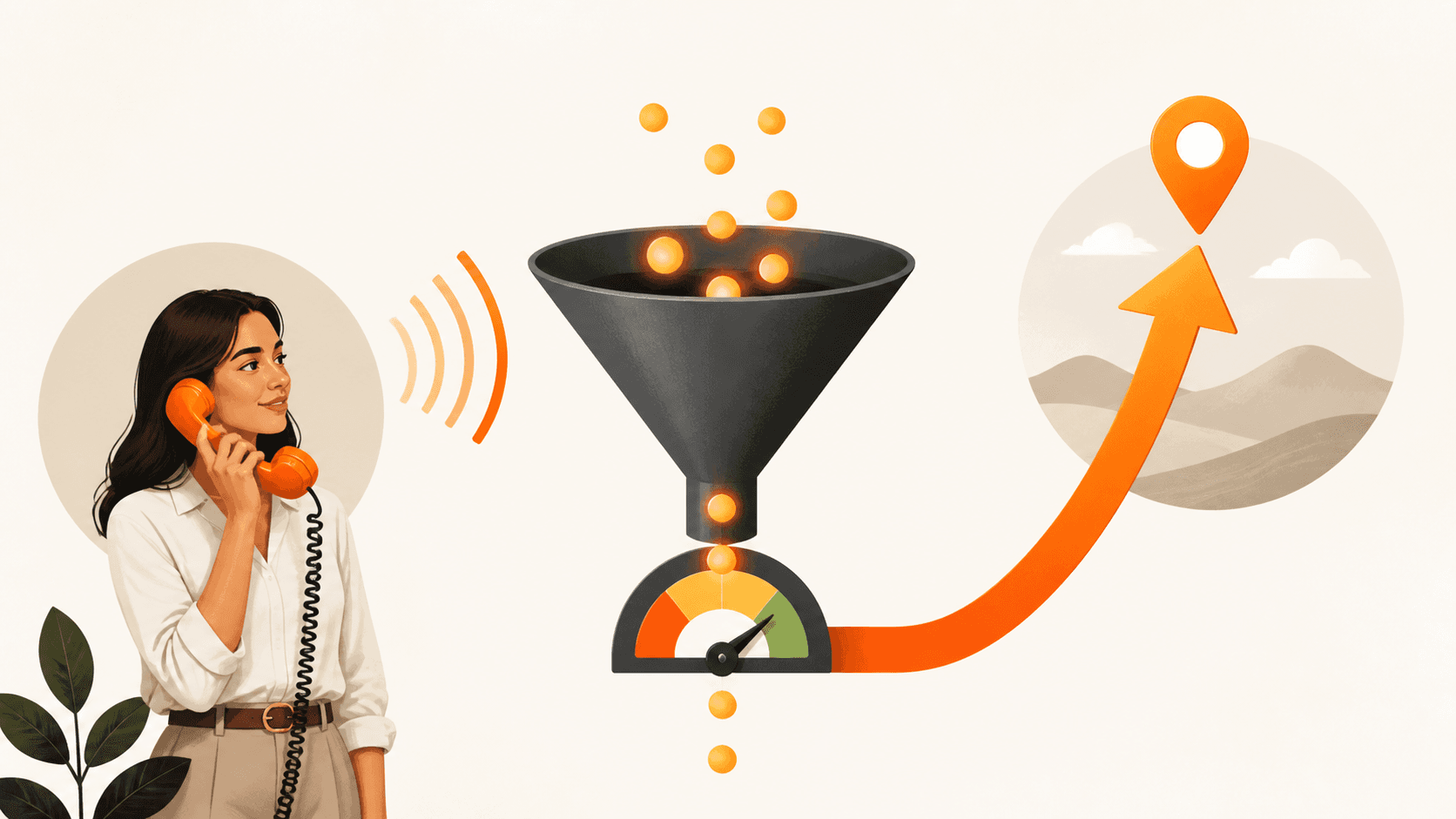
The Invisible Sales Funnel is how people move from stranger to supporter, often without you on the phone.
Your website, emails, and texts do the early work so, by the time you speak, they already trust your organisation.
This saves you time and raises your odds of a yes.
A simple nonprofit funnel looks like this:
- They click a post, ad, or referral link and land on a clear page about one action.
- They sign up for a small offer, event, or quick guide, and go straight into CedarCRM.
- They get 3 to 5 short emails with stories, proof of impact, and one next step: donate, volunteer, or book a call.
You can run this on a small budget with free or low-cost tools connected to your CRM.
To save time, reuse one strong story across your landing page, email series, and social posts.
You do the work once and get value in several places.
To make this funnel work, you need strong speed-to-lead.
That is the time from when someone reaches out to when you reply.
The faster you respond, the higher the chance they donate, join, or book a visit.
Many nonprofits lose good supporters because:
- No one clearly owns the main inbox or phone
- Voicemails sit over weekends and holidays
- Web forms send to one staff member who is away
You can improve speed-to-lead without hiring more staff:
- Set CedarCRM or a similar system to alert more than one person for new contacts
- Use auto-replies that say "We got your note. Here is what happens next."
- Agree on a rule; for example, work-hours replies in 15 minutes, after-hours by 10 a.m. the next day
Fast, reliable follow-up is one of the biggest gaps we see, and it costs almost nothing to fix.
Turn Your Website Into a Simple Lead Machine and Build a 90-Day Growth Plan
Your website should do more than share your mission.
It should collect leads and guide donors, volunteers, and partners to a clear next step.
This is where the same thinking that drives lead generation for small businesses fits your nonprofit.
Your site has three core jobs:
- Make your offer clear: who you help and what you want visitors to do
- Make it easy to act: big buttons, short forms, visible phone number
- Connect every form to your CRM so no contact gets lost
There are low-cost changes you can make this month:
- Add a single "Get Involved" page with options to donate, volunteer, or host an event
- Add a "Book a Call" or "Tour Our Space" button linked to a simple calendar tool
- Add trust signals, people helped, partner logos, and short quotes, to lower doubt
To keep all of this manageable, use a 90-day Growth Plan instead of a big annual document that gathers dust.
Here is a simple structure you can follow.
You can repeat this cycle four times a year.
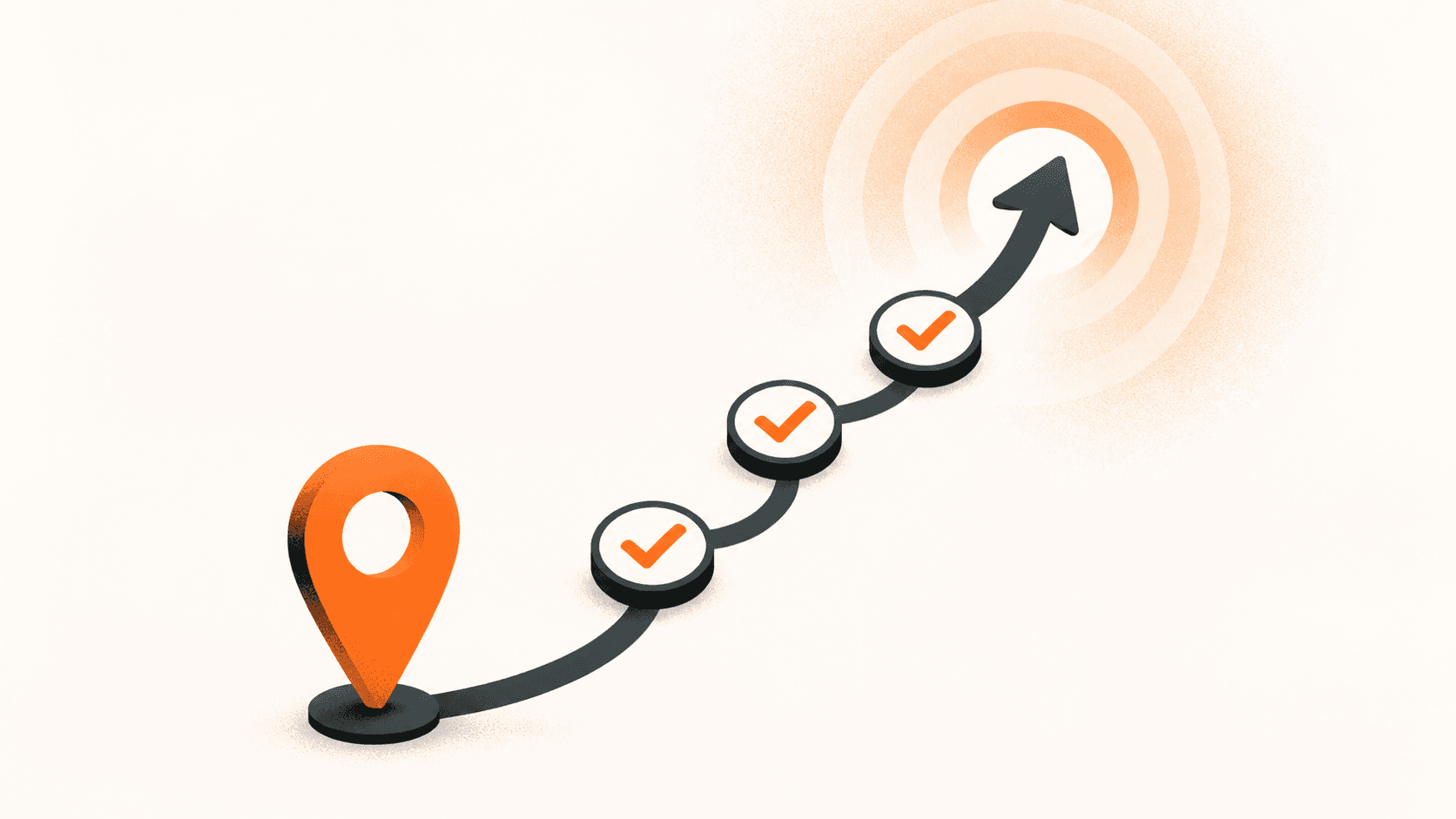
Month 1, fix your foundation:
- Clean up your key website pages and forms
- Connect forms and phone tracking to CedarCRM
- Set clear speed-to-lead rules and shared inbox access
Month 2, turn on your Three Channel Marketing System at a small scale:
- Basic SEO work on your top pages
- A consistent email schedule
- A small, tightly targeted ad test
Month 3, review and adjust:
- Look at three numbers only: new contacts, new donors, new volunteers
- Every two weeks, ask "What small tweak could move one of these?"
- Shift your small ad budget toward what worked and cut what did not
This is the same mindset that powers strong lead-generation for small businesses.
Clear targets, short feedback loops, and a connected marketing system instead of random one-offs.
If you choose one part to start with, make it speed-to-lead.
That one change alone can make every other effort work harder for you.
Turn Your Website Traffic Into Reliable Revenue Growth
If you are ready to turn more browsers into buyers, we can help you build a practical strategy around lead generation for small businesses. At Curve Communications, we focus on measurable results so you know exactly which efforts are driving new customers. Tell us about your goals and challenges, and we will map out an action plan tailored to your budget and timeline. Have questions or want to get started right away? Simply contact us and our team will follow up promptly.