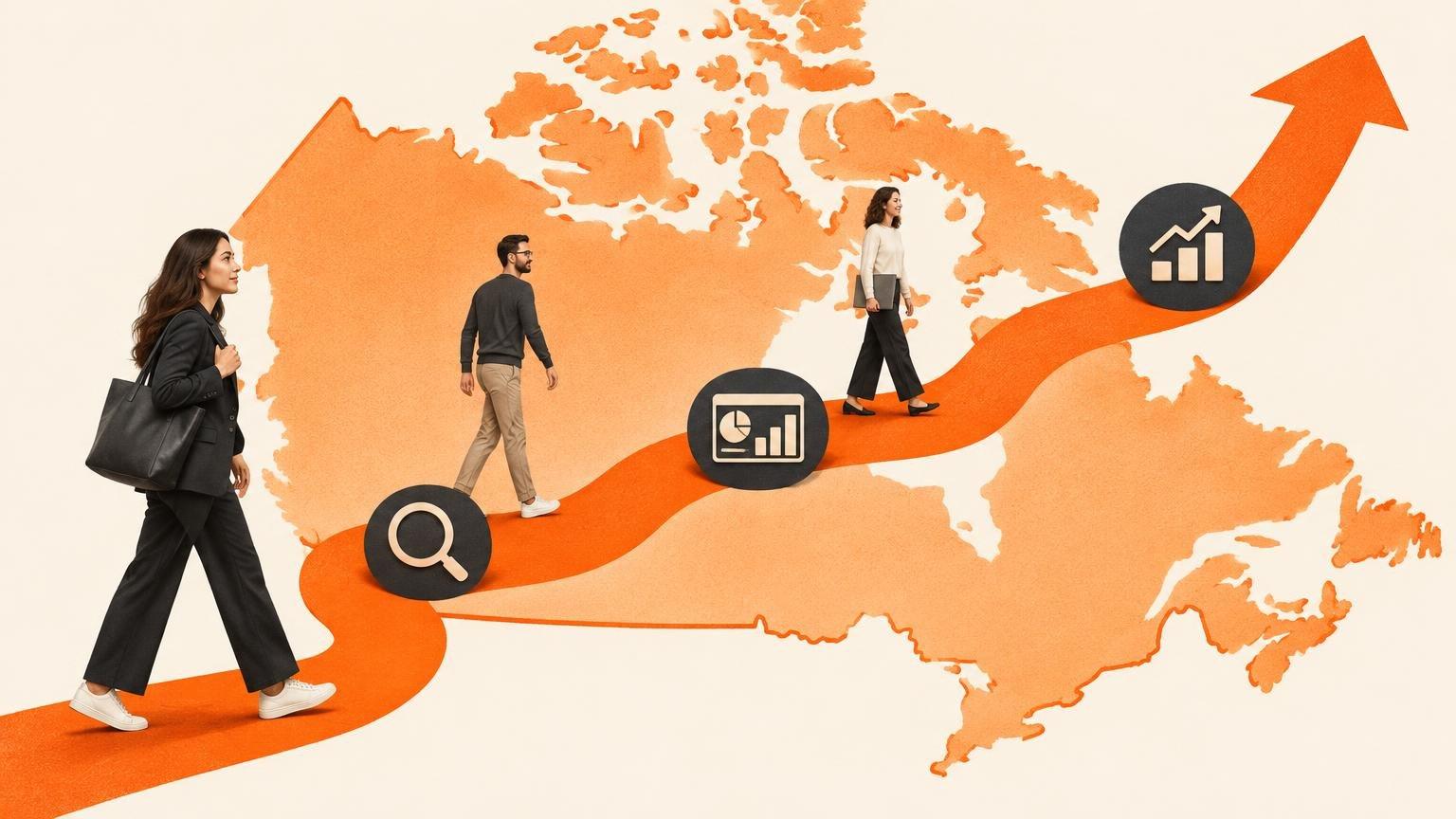
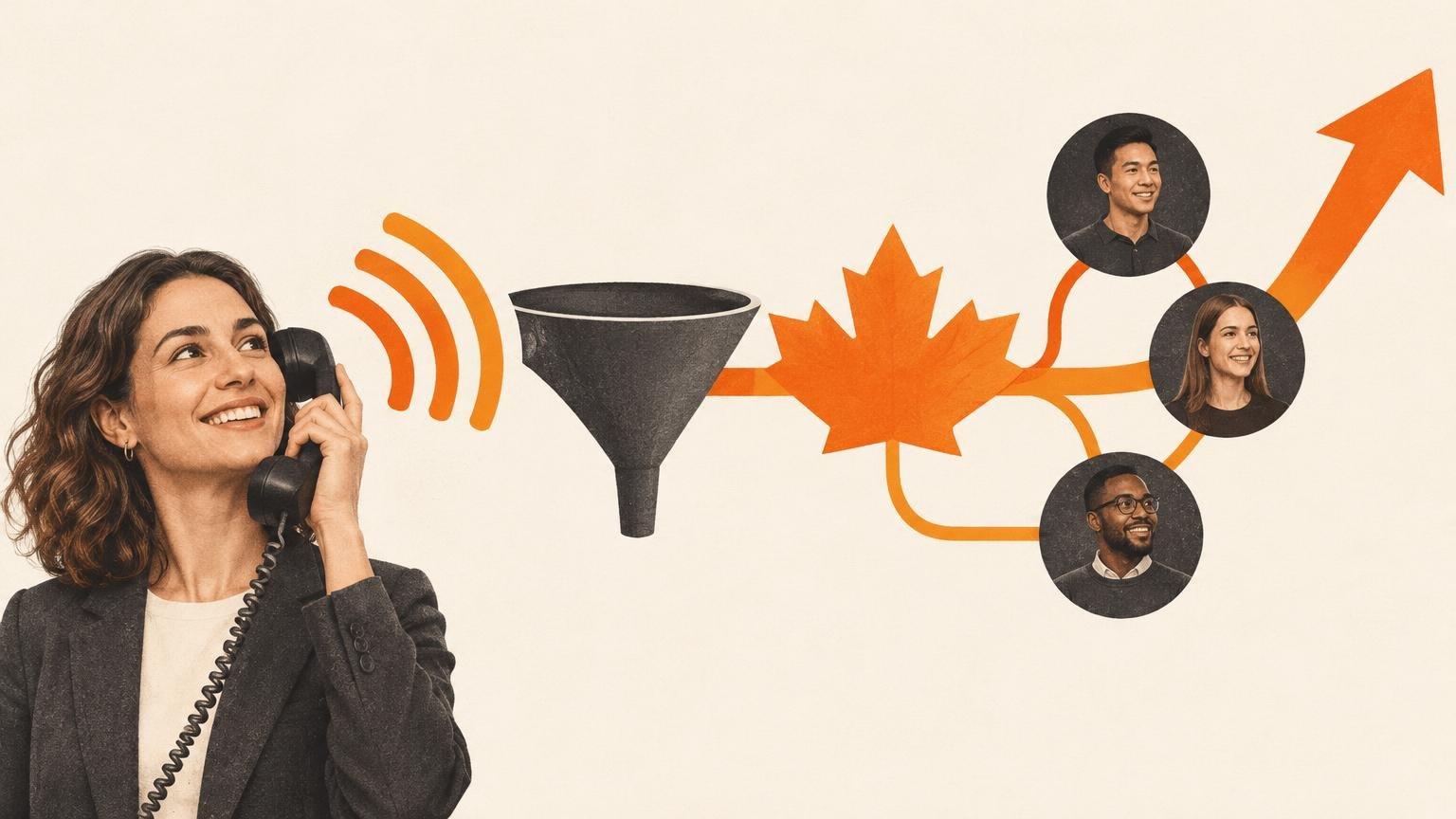
Your Leads Are Not the Same as Booked Jobs
The phone rings. Forms come in. Ad spend goes up. Yet the calendar still has gaps. We see this problem often with small businesses that are generating enquiries but cannot tell what happens after someone reaches out.
Getting a lead is only half the job. Local business lead tracking and follow-up show you where an enquiry came from and how quickly your team acted on it. Without that view, you cannot see what is creating bookings or what is quietly costing you revenue.
Lead tracking is the record of where each enquiry started. That may be Google Search, your Google Business Profile, paid ads, a website form, chat, or a phone call.
Follow-up is what happens next. It includes quick replies, call attempts, text messages, email reminders, booking options, and ongoing contact until the person makes a decision.
Tracking tells you what brought the opportunity in. Follow-up decides whether that opportunity becomes revenue. Marketing should be a system, not a gamble.
Lead Tracking Shows What Is Actually Working
Guessing is expensive. If you do not track leads from the first contact through to the final outcome, you may keep spending on channels that create weak enquiries. At the same time, you could overlook the sources bringing in your best booked jobs.
For local business lead tracking and follow-up, we recommend recording the same core details for every enquiry:
- The original source, such as Google Ads, local SEO, Meta Ads, referrals, or your Google Business Profile
- The date and time the lead arrived
- The type of enquiry, including a call, form, text, chat, or booking request
- The service requested and the lead's location
- The final outcome, such as booked, quoted, won, lost, or no response
This connects directly to how people decide which business to contact. Most people do a lot of deciding before they contact you. They search for options, compare businesses, read reviews, visit websites, and decide who feels like the safest choice.
A source that creates fewer leads may still create more revenue. For example, a Vancouver contractor may receive more enquiries from paid ads than from their Google Business Profile. Once they track outcomes, they may find that profile leads book more often because those people already searched for the service and were ready to act.
That is why lead volume alone can mislead you. We want to know which channel creates real demand, not just which channel makes the phone ring.
Follow-up Turns Enquiries Into Real Opportunities
Speed to lead matters because people often contact more than one local business. The first clear, helpful response can shape the whole decision. If your team waits too long, someone else may already have answered the question, offered a time, and earned the booking.
Every missed call is a missed opportunity. A missed call should not sit in voicemail until the end of the day. Your system should alert the right person, create a task, and send a quick text so the caller knows you saw their request.
A simple follow-up process can look like this:
- Respond within five minutes when possible.
- Call the lead soon after the enquiry arrives.
- Send a short text if they do not answer.
- Follow up again within 24 hours.
- Continue with useful reminders until the lead books, declines, or goes cold.
Follow-up should feel helpful, not pushy. Use the person's name. Mention the service they asked about. Make the next step simple by offering available times, a booking link, or a clear answer to a common question.
Consistency matters just as much as speed. A lead who does not reply after one call is not always a lost lead. They may be busy, comparing options, or waiting to speak with someone else. A clear follow-up process keeps your team present without making the conversation feel like pressure.
The Gap Between Tracking and Follow-up Costs You Money
Many small businesses use separate tools for ads, website forms, phone calls, spreadsheets, email, and calendars. Each tool may work on its own, but the handoff between them often fails. That is where leads disappear.
We often find gaps like these:
- A website form goes to an inbox no one checks quickly
- A missed call receives no return text
- The owner cannot see which ad led to a booked job
- Staff members follow up in different ways, or not at all
- Older leads never receive a useful reminder or new offer
When no one owns the full process, it becomes hard to improve it. You may know how many leads arrived, but not who responded. You may know how much an ad cost, but not whether it created a customer. That makes marketing ROI hard to judge.
A connected marketing system closes that gap. Your website, local SEO, paid ads, CRM, and follow-up process should share the same lead information. This gives your team one view of the opportunity from first click to final outcome.
Consider a dental clinic that receives a form enquiry after business hours. A connected system can confirm receipt right away, provide a booking option, alert staff for the next business day, and track whether the person becomes a patient. Nothing relies on someone remembering to copy information from one tool to another.
Build a Simple System Your Team Will Actually Use
The best system is not the one with the most features. It is the one your team can follow when the day gets busy. We recommend keeping the process clear enough that every lead has a place, an owner, and a next action.
Start with a simple framework:
- Capture every lead from calls, forms, chat, ads, and our Google Business Profile
- Tag the original source automatically whenever possible
- Send instant alerts to the right team member
- Use simple templates for calls, texts, and emails
- Track outcomes each month so you can see what turns into revenue
CedarCRM can act as the central hub for this work. It can connect lead sources, log conversations, assign follow-up tasks, and give your team one place to manage opportunities. AI voice and chat can also support your team by responding quickly when staff are busy or unavailable.
This is where your marketing channels and follow-up come together. Local SEO helps you get found when people search. Paid ads can create demand faster. CedarCRM and automated follow-up help you get chosen and get booked.
Each part depends on the others. More traffic will not solve a slow response problem. Better follow-up cannot fix ads that bring in the wrong audience. When the full system is connected, you can see where the leaks are and improve the part that is holding back revenue.
Start Finding the Leaks in Your Sales Process
Lead tracking and follow-up are not competing tasks. They are two parts of the same process. Tracking tells you where leads come from and what they are worth. Follow-up makes sure your business responds before the opportunity disappears.
Take an honest look at your current process. Can you identify where every lead came from, who responded, how fast they responded, and whether that lead became revenue? When you can answer those questions, you can spend with more confidence, reduce missed opportunities, and rise up the ranks where it matters.
Stop Letting Good Leads Go Cold
Our local business lead tracking and follow-up systems show you where leads enter, route them to the right person, and keep follow-ups from slipping through the cracks. Curve Communications builds connected marketing systems that make speed to lead easier for busy teams. If you need a clearer process, contact us to discuss what's getting missed and how to fix it.