Stop Guessing, Start Building a Real Lead-Gen System
You spend money on ads, SEO, maybe a shiny new website, yet leads still feel random. Some days your phone rings off the hook. Other days it is silent and you are left wondering what went wrong.
You chase calls, emails, texts, social DMs. You try to remember who asked for a quote and who needs a follow-up. It feels like marketing is a gamble, not a system.
We want to give you a clear build sheet for a real lead generation system for small businesses. The same kind of connected marketing system we set up for local service companies here in Vancouver. You will see the tools, how they connect, and a simple 30-day setup plan you can follow.
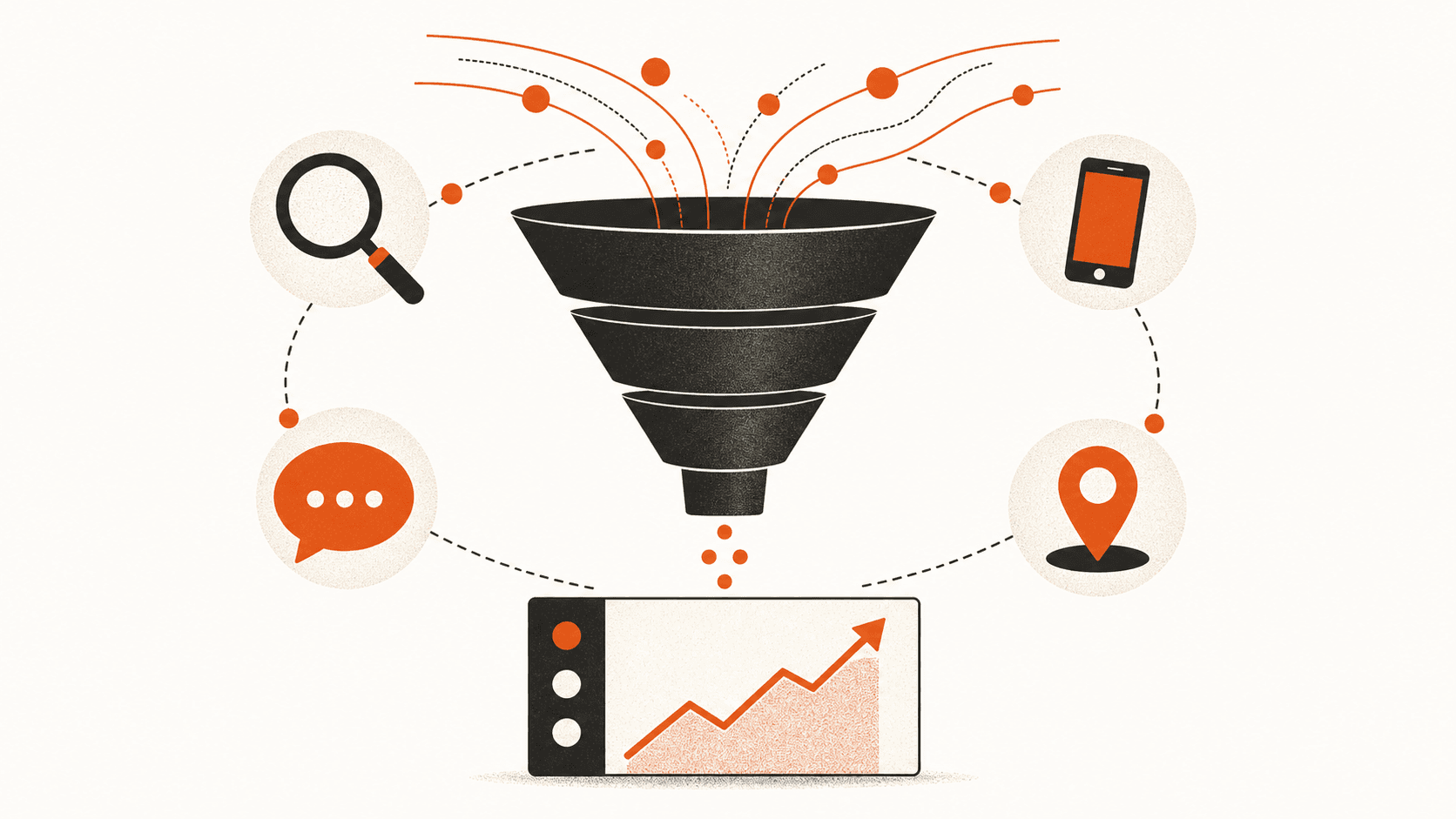
The big idea is simple. Marketing should be a system, not a gamble. A connected marketing system means your website, ads, SEO, and follow-up tools all talk to each other. When that is in place, every visit, call, and form fill feeds a clear funnel that runs every day, even while you sleep.
The Invisible Sales Funnel That Works While You Sleep
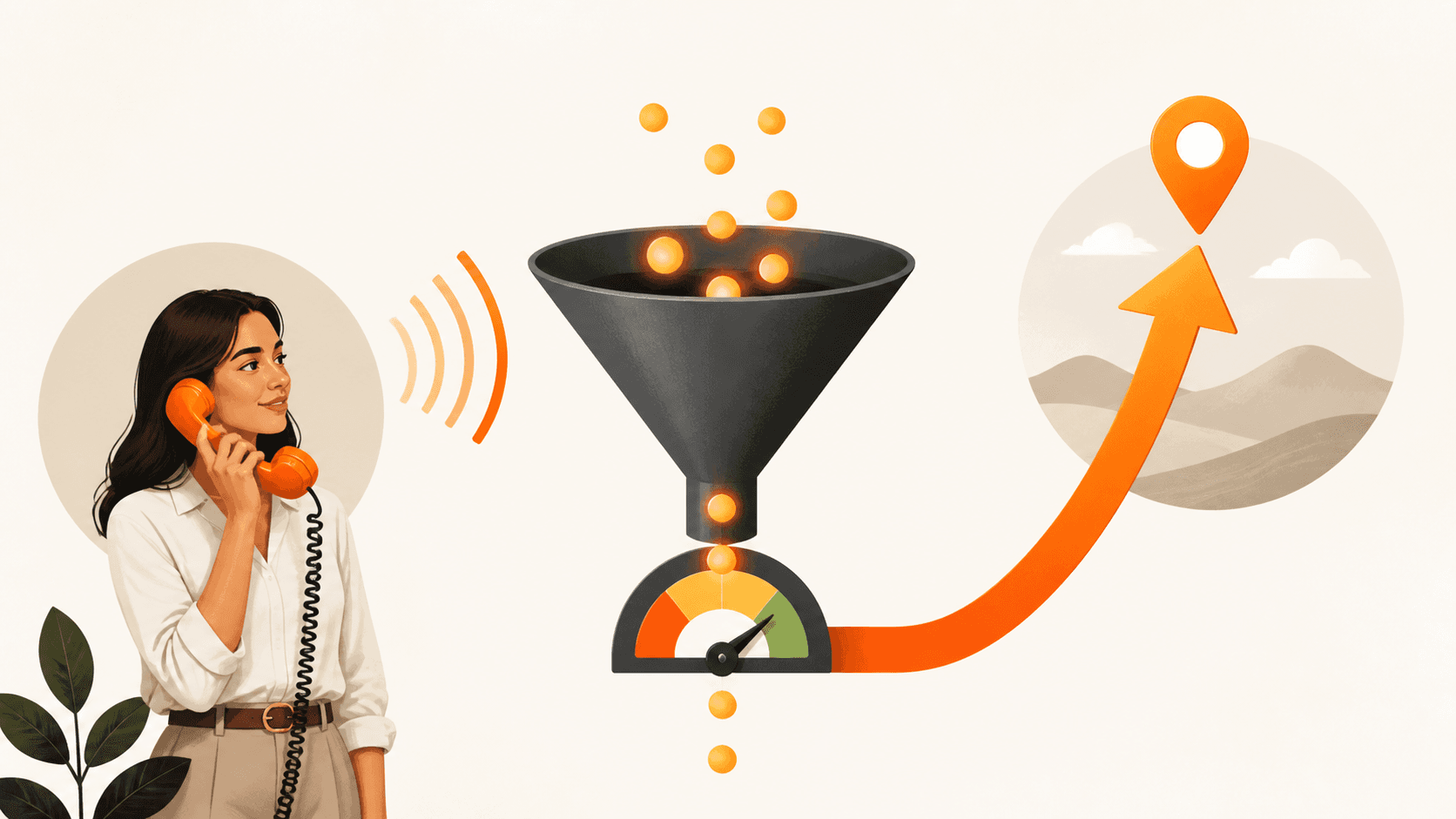
Think of the Invisible Sales Funnel as the quiet machine that turns strangers into booked jobs without you chasing every single lead yourself.
It has four simple steps.
- Traffic. People find you through search, ads, or referrals.
- Lead. They call, fill a form, or book online.
- Follow-up. They get fast replies and reminders.
- Sale. They confirm a quote and you book the job.
Once this is built, it runs in the background 24 hours a day and 7 days a week. You still talk to real people and close real deals. The system simply makes sure no one slips through the cracks.
Without a funnel, this is what usually happens.
- Calls come in when you are on a job, then roll to voicemail.
- Forms get sent to an inbox that no one checks often.
- Quotes are sent, then never followed up.
- You forget who came from where and which channel works.
Every missed call is a missed opportunity. Think of a roofer with 100 visitors a day on their website but no clear offers, no form, no online booking. Only 1 or 2 people might work hard enough to find a phone number. The rest leave and go elsewhere.
A basic lead generation system for small businesses should include:
- A fast website with clear offers and calls to action.
- Simple online booking or quote forms.
- Tracking on calls and forms.
- Automated follow-up texts and emails.
Speed to lead matters a lot. That is how fast you respond after someone reaches out. If you reply in a few minutes instead of hours, your chance of winning that job can jump. Small gains stack up.
A bit more traffic, a few more leads from the same traffic, and a slightly better close rate can add up to a big increase in booked work. This is how a connected marketing system starts to feel steady instead of random. You can see where leads come from and what happens after they contact you.
The Three-Channel Marketing System That Feeds Your Funnel
Most small local businesses lean on one channel. Often word of mouth. Sometimes random posts on social media. That is risky.
We like a simple Three-Channel Marketing System that feeds your Invisible Sales Funnel.
- Search.
- Local ads.
- Past customers and referrals.
These three channels work best when they connect into one system, not as separate, random efforts.
Channel 1 is search. That means Google Search plus your Google Business Profile. When you keep your profile updated with real photos, clear services, and good reviews, you rise up the ranks over time.
SEO work, like better content and strong local signals, helps people find you when they actually need your service. You are not just seen more. You are seen by the right people at the right time. That is what fills your Invisible Sales Funnel with real leads.
Channel 2 is paid ads that do not waste your budget. For many local service companies, that means Google Ads and sometimes Facebook or Instagram Ads. The keys are simple.
- Tight geo targeting around your true service area.
- Clear, simple offers.
- Landing pages connected directly into CedarCRM.
When your ads send people to a focused page that talks about one clear offer, you avoid confusion. CedarCRM can then capture each lead, tag the source, and trigger fast follow-up. That is how you turn ad spend into booked jobs instead of random clicks.
Channel 3 is past customers and referrals on autopilot. This is often your most profitable channel because you are not paying for every click. With simple email and text follow-ups, you can:
- Welcome new customers and set expectations.
- Check in 30 days after a job.
- Send a 6-month reminder or seasonal tips.
- Offer yearly tune-ups or checkups.
Done right, this keeps your brand familiar so people think of you first. It also makes it easy for them to feel good sending referrals your way. A small, steady flow from this channel can make a big difference to your calendar.
Your Lead-Gen System Build Sheet: Tools and Costs
To build a connected marketing system, you need a few core pieces of infrastructure. Nothing fancy. Just the right tools wired together.
At the centre you want:
- A website that loads in under 3 seconds, works on phones, and has clear calls to action on every page.
- CedarCRM to capture every lead, track where it came from, and run your automation.
- Call tracking numbers and form tracking so you know which channels are actually working.
Your tools checklist might look like this.
- Website hosting and basic maintenance.
- CedarCRM for marketing automation, pipelines, and follow-up.
- SEO support for content and local signals.
- Google Ads or Meta Ads budget.
- Call tracking software.
Together, this becomes your Invisible Sales Funnel tech stack. Here is how a simple flow might work.
- Someone clicks a Google Ad or finds you in search.
- They land on a focused page with one clear offer and a short form.
- They fill the form. CedarCRM grabs the lead and tags the source.
- An auto-text and email go out within minutes.
- The lead drops into your CedarCRM pipeline as "New Lead."
- You or your team follow up, send a quote, and move them to "Quote sent" and then "Job booked."
Once this is wired in, you are no longer guessing which half of your marketing works. You can see which channels feed the most leads and which ones lead to real revenue. You can also spot weak links fast and fix them.
For example, if search brings in 50 leads a month but only 5 turn into jobs, you know something is off with your offer or follow-up. If past customers only bring in a few leads, you might not be asking for reviews or referrals in a clear way.
Your 30-Day Setup Plan to Get Leads Flowing
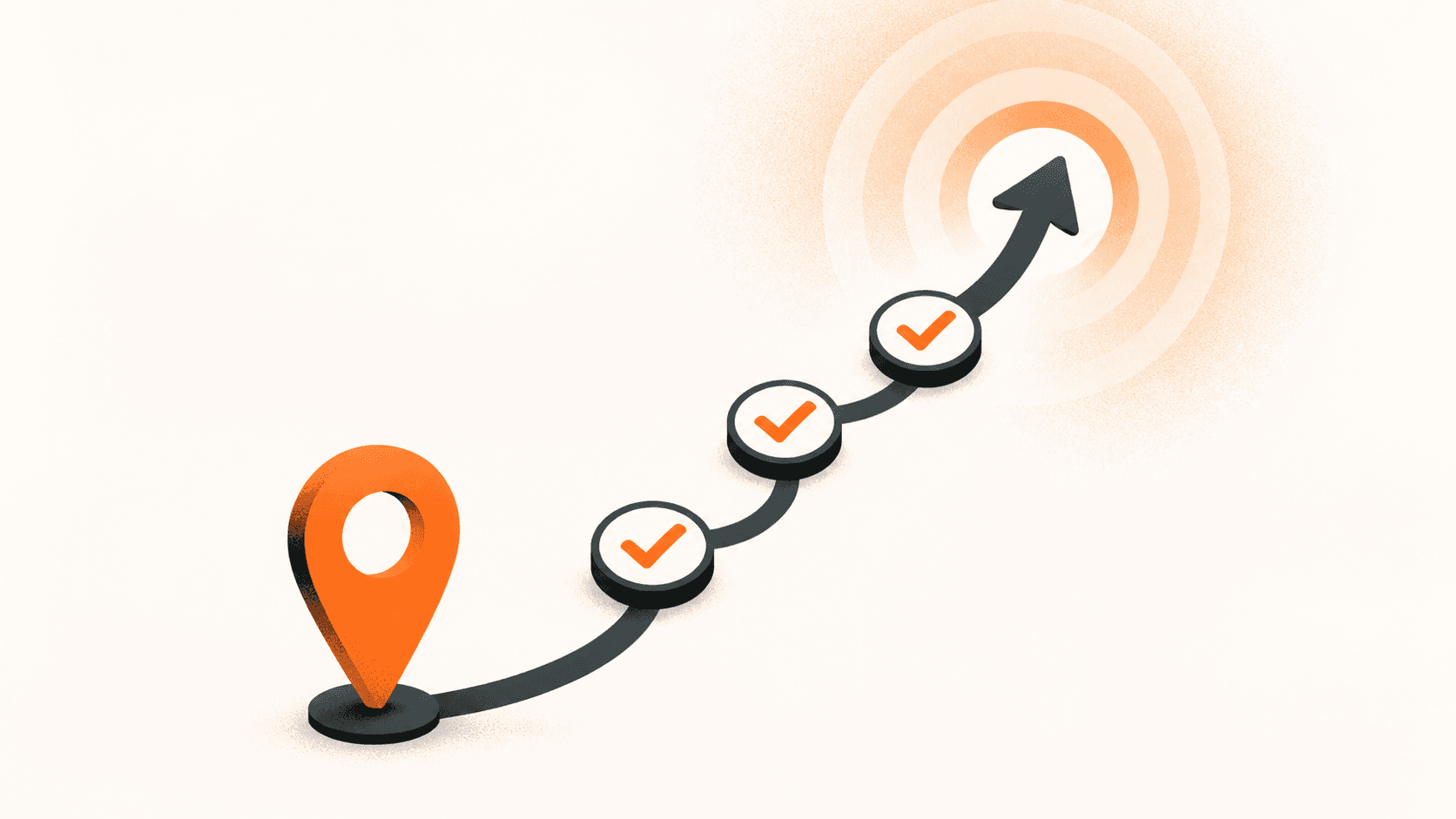
Here is a simple 30-day setup plan you can follow. It keeps you focused so you can get a real system in place instead of more random tactics.
Week 1. Fix the basics and clear your offer.
- Decide your main offer and core service area.
- Clean up your website header. Add a clear headline, a click-to-call button, and a simple "Get a Quote" or "Book a Visit" button.
- Add a short form that only asks for what you really need.
- Claim or update your Google Business Profile with accurate hours, services, and photos.
Week 2. Turn on CedarCRM and tracking.
- Set up CedarCRM pipelines like "New lead," "Quote sent," and "Job won."
- Connect your website forms into CedarCRM so every lead is captured.
- Add call tracking numbers for your ads and website.
- Build simple auto replies by text and email so every new lead gets a response within 5 minutes, even if you are on a ladder or in a truck.
Week 3. Launch your Three-Channel Marketing System.
- Start a small, focused Google Ads campaign that targets your top 3 to 5 services in your true service area.
- Map your SEO basics. Create clear service pages, location pages, and one helpful blog that answers a real question you hear often.
- Upload your past customer list into CedarCRM. Send a simple message like "We are booking summer spots now" with a clear way to reply or book.
Week 4. Tune, test, and document your system.
- Look at your numbers. Leads by channel, cost per lead, and booked jobs.
- Adjust your ads based on which keywords and locations bring in good leads.
- Tweak your offers and follow-up timing to match when people tend to say yes.
- Write your 90-Day Growth Plan. Decide what to test next, what to double down on, and what to pause.
Turn Your Marketing From Chaos Into a 90-Day Growth Plan
The real shift here is mindset. Marketing should be a system, not a gamble. With your Invisible Sales Funnel, your Three-Channel Marketing System, and CedarCRM wired together, you turn random calls into a steady, trackable flow of work.
Once your build sheet is in place, the goal is not perfection. It is steady improvement over the next 90 days. Keep tuning your channels, your offers, and your follow-up.
Bit by bit, you will see more of your traffic turn into the kind of booked jobs you actually want. Your next step is simple. Pick one week from the 30-day setup plan and schedule time to start it on your calendar today.
Start Building A Reliable Client Pipeline Today
If you are ready to attract consistent, high-quality leads, our team at Curve Communications can help you put a proven process in place. Explore how our lead generation system for small businesses works and see what it could look like for your company. When you are ready to move forward or have questions, simply contact us so we can discuss the best approach for your goals.