Why Your Leads Keep Getting More Expensive
Your ad costs keep climbing. Your cost per lead keeps inching up. Your budget feels stuck. You get told to either spend more or shut off campaigns and hope the phone still rings. That is a stressful way to run lead generation.
Most of the time, the real problem is not your budget. It is a broken or leaky system. You are paying to drive traffic into a funnel that quietly loses people at every step.
If you run a small business, you do not want more marketing drama. You want more qualified leads at a price that makes sense. We will show you how to lower cost per lead by fixing how your system works, not by starving your ads. You will walk away with a simple framework you can map onto your own numbers this week.
Marketing should be a system, not a gamble. Cost per lead improves when your channels, website, and follow-up work together. We call that a connected marketing system that feeds what we call the Invisible Sales Funnel.
Stop the Bleeding: Fix the Leaks Before You Scale
When you feel like your budget is too small, we usually find leaks, not a lack of money. Many small businesses pay for clicks, then lose people on slow pages, clumsy forms, or weak offers.
If you pay for 100 clicks and 95 people leave without taking action, the issue is not the size of your ad spend. You are pouring water into a bucket full of holes. Fixing those leaks can sometimes cut your cost per lead in half. You can do that without adding a dollar to your budget.
Two of the biggest leaks we see are your website or landing pages, and your speed to lead.
Key leak 1: your website and landing pages
For lead generation, your website has one main job. Turn the right visitors into real conversations. Design is nice to have. Clarity is a must.
Check these basics first:
- Page speed on mobile and desktop
- One clear headline that says who you help and what you do
- One main call to action on each page, not five competing choices
- Simple, short forms that are easy to finish on a phone
You should track:
- How many people land on a page
- How many of those people submit a form or call
- Cost per lead from each main page
If 100 people visit a service page and 5 fill in your form, you have a 5% conversion rate. Tweak your headline, form, and offer until that number climbs. A move from 5% to 10% instantly cuts your cost per lead in half. Your ad cost can stay the same.
Key leak 2: your speed to lead
Every missed call is a missed opportunity. Every slow reply drives your ad costs up. You paid for a click that never had a real chance to convert.
Use simple benchmarks:
- Aim to respond to new leads within 5 minutes by phone or text
- Call again later that day if they do not pick up
- Follow up with at least a short sequence of texts or emails
Tools like CedarCRM make this much easier. A system like that can:
- Capture leads from your website, forms, and ads in one place
- Trigger instant texts and emails the second a lead comes in
- Create call tasks so your team knows who to call and when
Fast, consistent follow-up turns more of your paid clicks into real conversations. This lowers your cost per lead without cutting your budget.
Build a Three-Channel Marketing System That Lowers CPL
Most small businesses rely on one main channel, often Google or Facebook. When that channel gets more expensive, you feel trapped. A Three-Channel Marketing System spreads the risk. It lets your best channels support your weaker ones.
For most local and service-based companies, we recommend three core channels:
- Search and SEO
- Paid social ads
- Local presence and simple retargeting
Channel 1: search and SEO that rise up the ranks
Search is where people with clear intent go. They are typing in what they need, often close to when they need it. If your business can rise up the ranks for the right searches, you can earn lower cost, higher intent leads over time.
Keep SEO simple and focused on buyers:
- Service pages that clearly describe what you do and where you do it
- Blog posts that answer real questions your customers ask
- A complete and active Google Business Profile
These pieces work together. Someone might find a blog from search. They then check your Google Business Profile for reviews. Next, they fill in a form on a service page. That is your connected marketing system doing its work.
Channel 2 and 3: social ads and local presence
Paid social is your testing ground. You can test offers, headlines, and audiences fast. You can also build awareness in your local market, even for people who are not searching yet.
Use social ads to:
- Test free consults, audits, or bundled offers
- Send people to focused landing pages with one clear action
- Feed your retargeting audiences
Local presence is the third leg. It includes:
- Your Google Business Profile and reviews
- Directory listings where people in your area actually look
- Retargeting ads that follow past visitors and page engagers
These channels feed each other. Search visitors who do not convert can see your social ads later. Social visitors can search your business name and see strong reviews. As the whole system works together, your overall cost per lead comes down. That can happen even if one channel gets more expensive.
Turn Clicks Into Conversations With the Invisible Sales Funnel
Most owners only see one piece of their marketing, like the ad dashboard. The real magic, or the real waste, happens between the click and the sale. We call that the Invisible Sales Funnel.
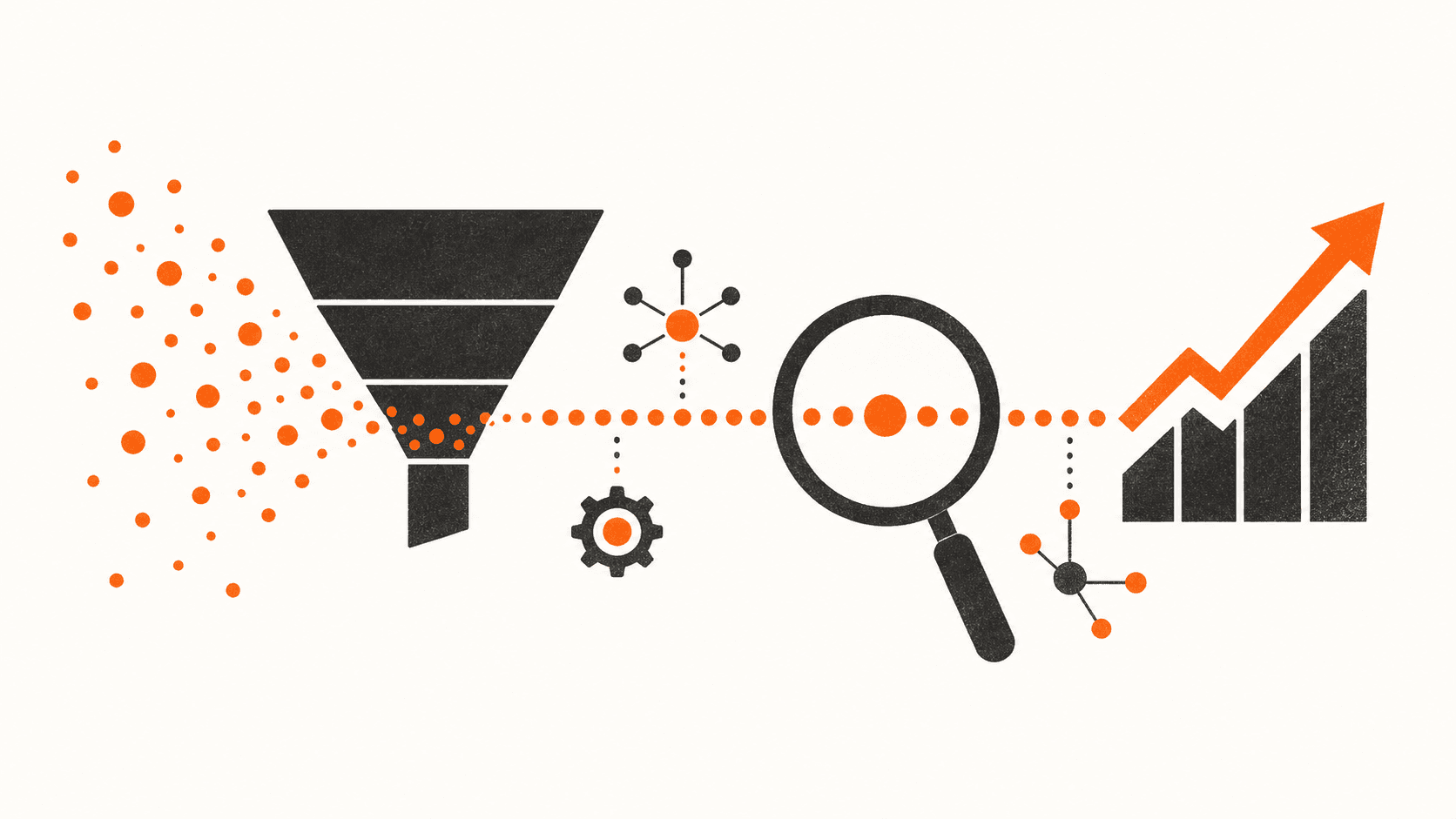
The Invisible Sales Funnel is every step, follow-up, and touchpoint that happens after someone clicks, calls, or fills in a form. When we map it out, we can see where you are losing people. We can also see where you can add simple follow-ups that cost almost nothing.
A simple funnel might look like:
- Ad click
- Landing page with a clear offer
- Short form
- Instant text confirming you got their request
- Same-day call from your team
- Three-day email sequence with helpful info and reminders
- Reminder text if they do not book or confirm
You can track each step:
- Form fill rate from page views
- Answer rate on first calls
- Book rate from leads to appointments
- Show-up rate from appointments to meetings
If you improve each step by even 10%, you can usually drop your cost per lead and your cost per sale. You can do this without touching your ad budget.
This is where CedarCRM and automation really help. CedarCRM collects leads from your website, ads, and calls in one place. Automation sends instant follow-ups, reminder texts, and simple nurture emails. Your team spends more time in real conversations and less time chasing names in a spreadsheet.
That is what we mean when we say marketing should be a system, not a gamble. Your follow-up happens the same way every time. It works even on your busiest days.
Use a 90-Day Growth Plan to Test, Track, and Tune
Many owners make one change, wait a week, then panic and change five more things. That chaos keeps your cost per lead high because you never really know what worked.
A simple 90-Day Growth Plan gives you enough time and data to make smart moves. You commit to a few key changes, track the numbers, then adjust.
Here is a basic version:
Month 1:
- Baseline your numbers by channel and by key pages
- Fix quick wins like slow pages, broken forms, or confusing calls to action
- Set up CedarCRM or clean up your current CRM and lead capture
Month 2:
- Test two or three clear offers in your ads and on your landing pages
- Improve speed to lead with instant texts and tighter call response times
- Map your Invisible Sales Funnel and plug the worst leaks
Month 3:
- Shift more budget into the strongest channels in your Three-Channel Marketing System
- Cut or pause the poorest performers
- Tweak follow-up sequences based on actual answer and book rates
Throughout the 90 days, track a short list of numbers:
- Cost per click by channel
- Conversion rate on your main pages
- Cost per lead
- Show-up or book rate from lead to appointment
If a channel gives you leads at half the cost, with similar quality, you put more budget there without raising your total spend. For lead generation, focus and simple numbers usually beat fancy dashboards.
Turn Your Marketing Into a Connected System
You do not need to slash your budget to get your cost per lead under control. You need to stop the leaks, respond faster, and connect your channels and follow-up into one system.
A connected marketing system, powered by tools like CedarCRM and guided by a clear 90-Day Growth Plan, lets you keep improving your numbers without constant firefighting. When your Three-Channel Marketing System and the Invisible Sales Funnel work together, you stop guessing. You start steering.
Your next step is simple. Choose one area from this article to act on this week, like improving speed to lead or mapping your current funnel on one page. Then give it 90 days of focused attention.
Start Turning More Clicks Into Customers Today
If you are ready to attract better prospects and convert them into loyal clients, our team at Curve Communications is here to help. Explore our tailored approach to lead generation for small businesses and see how a focused strategy can support your growth goals. We will work with you to build a practical plan that fits your budget and timeline. Have questions or want to talk through your next steps? Simply contact us to get started.