Why Your Old SEO Playbook Is Starting to Fail
You used to hear one simple plan for online marketing. Do some SEO, run a few Google Ads, and the phone would ring. Now you hear about AI search, zero-click answers, and tools like ChatGPT answering questions before anyone even visits your site.
If your traffic is flat or dropping, even though you "did SEO" a year or two ago, you are not alone. Search has changed. You are really asking this: Is SEO worth it for a small business when AI tools give answers directly?
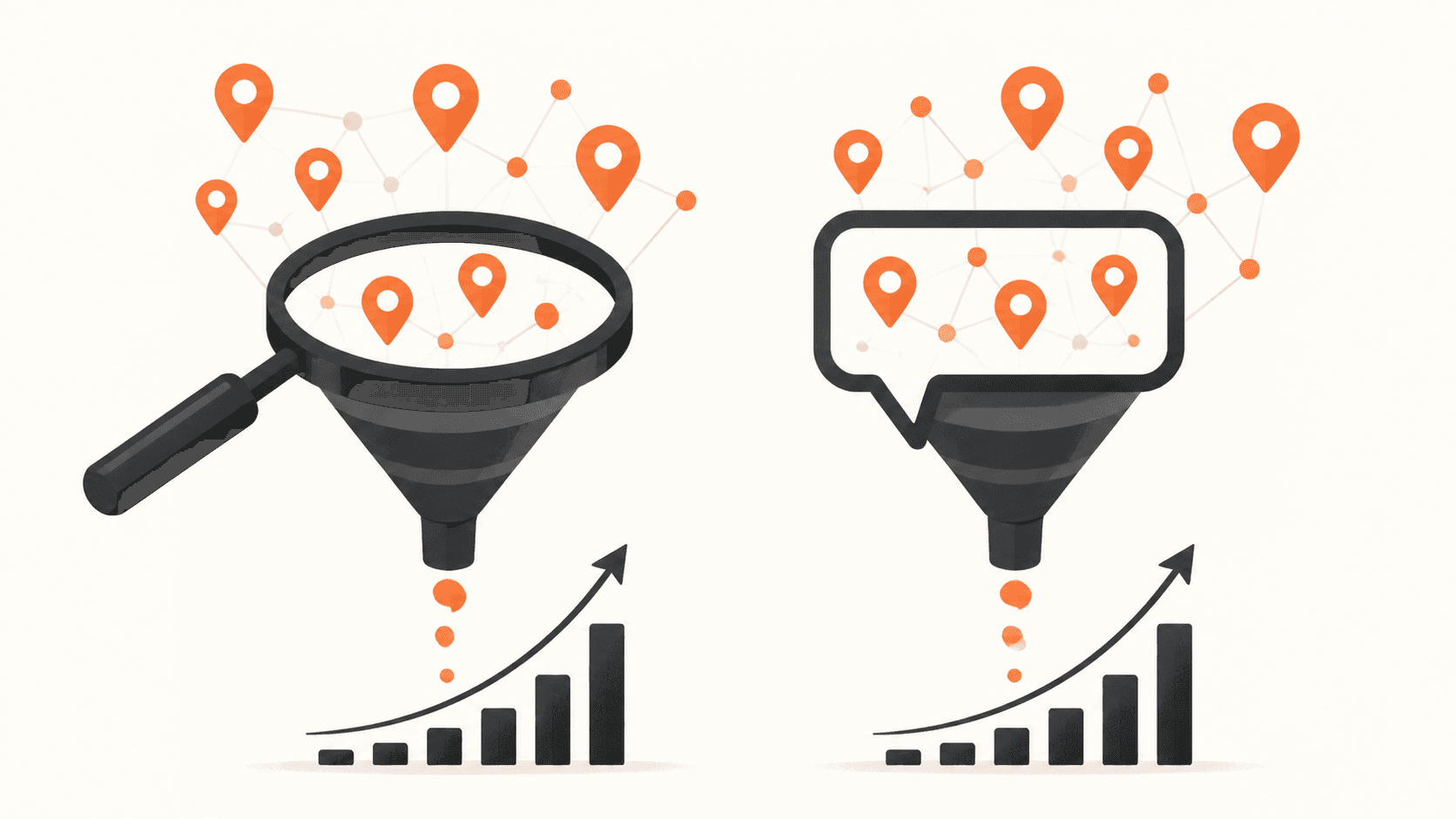
Here is the short version. Search is splitting into three paths: classic SEO, GEO, and AEO. SEO still matters, but on its own it is a gamble. You need a connected marketing system that turns any traffic into real leads and customers.
From SEO to GEO and AEO, What Changed in Search
SEO used to be simple. You tried to rise up the ranks in Google so people could find you. Many businesses were told to publish lots of blog posts, stuff in keywords, and chase random backlinks.
That worked for a while. Now search looks very different. That shift affects whether SEO is worth it for a small business.
Here is how the three paths break down.
- SEO: Your website pages rising in Google for searches like "roofing contractor in Burnaby."
- GEO (Generative Engine Optimization): Getting AI search tools to find and trust you.
- AEO (Answer Engine Optimization): Structuring content so search and AI can lift clean answers.
GEO is about how tools like ChatGPT, Perplexity, and SearchGPT pull information. They often give one big answer and show only a few sources. Either you are in that answer or you disappear.
Think of the difference between these two.
- "Plumber" in classic Google search, which shows maps, sites, and ads.
- "ChatGPT, what should I ask a plumber before a hot water tank install," which might show a single combined answer with a few cited sites.
AEO is about making your content easy for Google, Bing, and AI tools to quote. That means you need:
- Short, direct answers to common questions.
- Clear headings that sound like real questions.
- FAQ sections on key service pages.
- Optional schema, which is code that labels your content so robots can read it.
AEO also connects to voice search. When someone says, "Hey Google, who can fix my roof," the system wants a fast, local, trusted answer it can read in seconds.
Why SEO Alone Is Now a Gamble, Not a System
Many small businesses still pay for a few blogs and some minor site tweaks, then wait for magic. That is not a strategy. That is a lottery ticket.
Here is what you are up against.
- More competitors fighting for the same keywords.
- Google answering questions right in search results with maps, FAQs, and AI summaries.
- AI tools scraping and remixing your content and often keeping users in their app.
If you invest in content but do not structure it for AEO and GEO, your work can help others get answers without ever contacting you. Your content becomes free fuel for AI, not a driver of leads for you.
You also have real money at stake. If you spend $1,500 per month on SEO for 12 months, that is $18,000.
You need to know:
- How many calls came from organic search.
- How many forms or chats turned into quotes.
- How many jobs and how much revenue resulted.
If you cannot track this, you are guessing. Traffic becomes a vanity metric. It feels good, but it does not pay the bills unless it enters what we call your Invisible Sales Funnel.
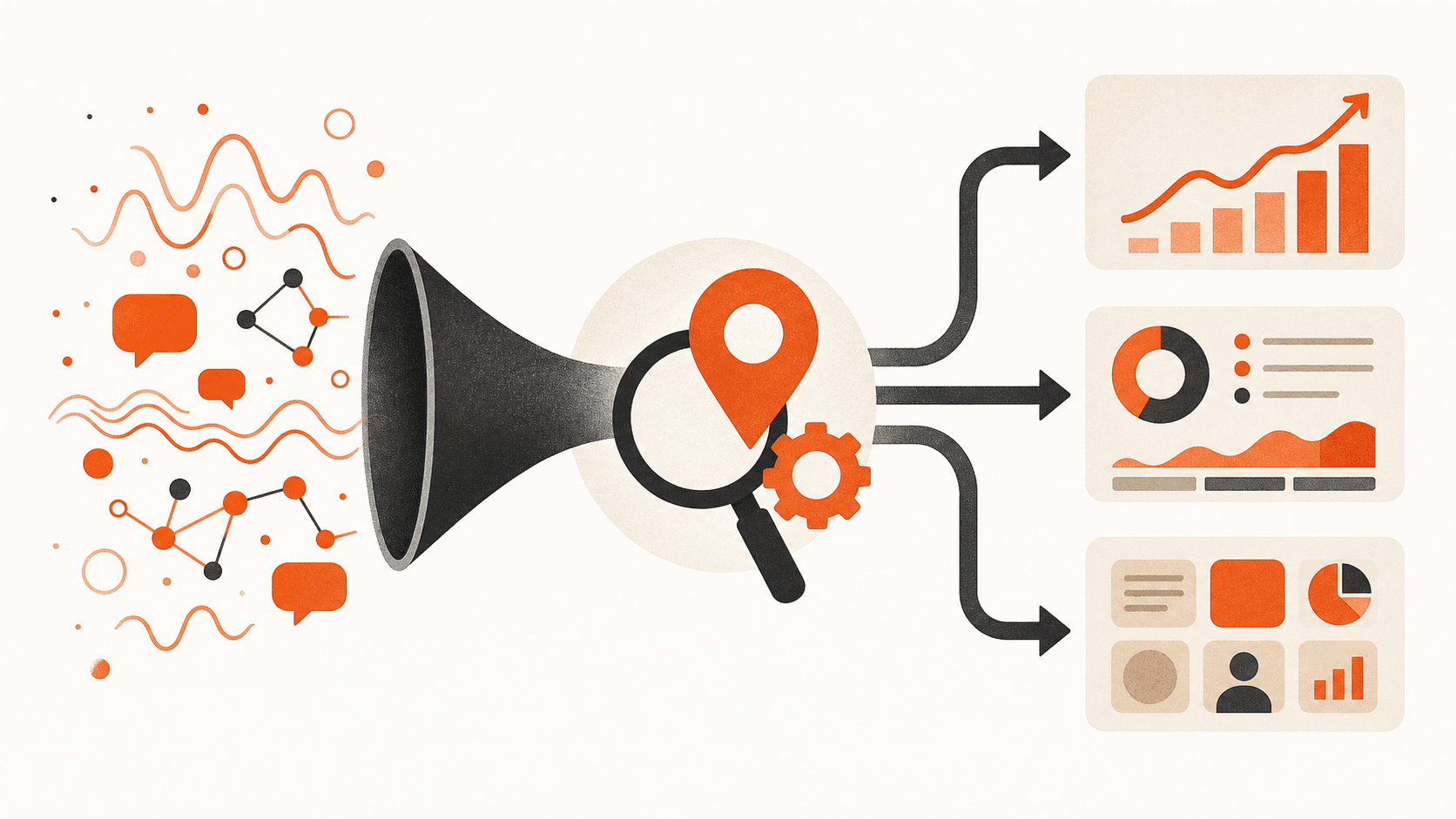
Marketing should be a system, not a gamble. SEO, GEO, and AEO are traffic inputs. They only matter if they plug into a connected marketing system that pulls someone from click, to contact, to quote, to sale, to review.
We use what we call the Three-Channel Marketing System, plus fast follow-up, to make that happen.
The Three-Channel Marketing System That Still Works
Channel 1 is your findable and trustworthy online presence. This is your website and your Google Business Profile. They are still your home base.
This is where SEO and AEO live. Your site should have:
- Clear services and service areas.
- Simple pricing or at least ranges.
- Social proof, like reviews and testimonials.
- Short, direct answers to your top questions.
To make this GEO and AI-friendly, use plain language. Talk about who you help, what you do, where you work, and why you are safe to hire. Strong FAQ sections help AI tools pull accurate, helpful snippets that lead back to you.
Channel 2 is paid traffic you can turn up or down. This is your Google Ads and social ads. You can buy attention when you need leads.
Modern ad platforms use AI to find better prospects if you feed them the right data. That means tracking:
- Calls.
- Form fills.
- Booked appointments.
- Actual jobs and revenue.
Speed to lead matters here. If you pay for a click and then wait hours to reply, you burn money. Every missed call is a missed opportunity.
Channel 3 is follow-up that never drops the ball. This is where CedarCRM and your Invisible Sales Funnel come in.
In simple terms:
- A new lead comes in from SEO, GEO, AEO, or ads.
- CedarCRM sends a text and email in under 2 minutes.
- The lead can book straight into your calendar or reply by text.
- You see every lead in one place, with tracking from first click to job.
Speed to lead is everything. Leads that hear back quickly are far more likely to become customers. A connected marketing system makes that speed automatic, not random.
How GEO, AEO, and a 90-Day Growth Plan Fit Together
To make GEO practical, use a simple checklist:
- Name your city and service areas in clear language across your site.
- Publish helpful explainers that answer the exact questions buyers ask.
- Get mentioned on real local sites and directories so AI knows you are legitimate.
For AEO:
- Add an FAQ section to each main service page.
- Use headings that match real questions, like "How much does a furnace tune-up cost?"
- Keep sentences short and at a Grade 8 reading level.
GEO creates new front doors to your business inside AI tools. AEO makes it easier for search engines and AI to quote you in snippets and voice replies. Both feed the top of your funnel.
They only matter if you have the Three-Channel Marketing System and your Invisible Sales Funnel ready behind them.
You can think of it as a simple mini-framework:
- Attract , SEO, GEO, AEO, and ads bring people to you.
- Capture , Forms, calls, chat, and CedarCRM capture contact details.
- Convert , Fast follow-up, offers, and reminders turn interest into booked work.
That brings us back to your real question: Is SEO worth it for a small business? The honest answer is that it depends on your system.
A 90-Day Growth Plan is a good way to test this without betting the farm.
Here is a high-level version you can follow:
Weeks 1 to 4:
- Clean up or build a simple, fast website with clear offers and locations.
- Fix your Google Business Profile with current info, services, and fresh photos.
- Set up CedarCRM or a similar CRM so every lead is logged and followed up.
Weeks 5 to 8:
- Improve your main service pages using AEO best practices.
- Add FAQ and short answer sections that AI and Google can quote.
- Turn on a small, steady ad budget to test your message and speed to lead.
Weeks 9 to 12:
- Publish 2 to 4 geo-smart articles that answer deeper questions buyers ask.
- Check your numbers in your CRM, not just in Google Analytics.
- Decide what is working so you can scale with confidence.
At the end of those 90 days, you will have your own data. You will see traffic plus calls, forms, booked jobs, and revenue.
Your next step is simple. Pick a 90-day window on your calendar and commit to this plan so you can see if SEO, GEO, and AEO are worth it for your small business.
Turn Your Online Searches Into Real Small Business Growth
If you are asking yourself Is SEO worth it for a small business?, we can review your current online presence and show you what strategic improvements could mean in real numbers. At Curve Communications, we focus on practical, measurable steps that fit your size, budget, and growth goals. Reach out to contact us and let us map out a clear, realistic SEO plan that helps your customers find you first.