Stop Losing Leads After the First Conversation
You work hard to make the phone ring and get forms filled. Then, after the first call or quote, the lead just drifts away. Your ads and SEO seem to work, but your bank account does not show it.
This gap between first contact and paid work is where most profit is lost. The good news is you can plug that gap with a simple, connected marketing system and start turning more leads into long-term customers.
We see the same problems all the time:
- Missed calls that never get a call back
- Quotes that sit in inboxes and never get a follow-up
- Old email lists that never hear from you again
Every missed call is a missed opportunity when you do not have a system. Losing even a few decent leads each week can add up to a large amount over a year.
In this article, we will walk through a clear lead generation system for small businesses that keeps working after the first contact. We will cover nurture, pipeline stages, retention, and referrals, and show you how they all connect. Late summer is a smart time to set this up so you are ready when things pick up again.
Why Your Lead Gen Stops Paying Off
Many owners focus on the front end. You build a website, you invest in local SEO, you turn on some ads. Then you stop. There is nothing strong on the back end to catch leads, move them, and close them.
Here is what usually happens:
- No fast follow-up when a form comes in
- No clear way to see who is ready now and who is ready later
- No reminders to follow up on quotes or demos
So leads go cold. Some keep shopping and pick the first business that responds. Others simply forget you.
Speed to lead is a big deal. When you respond quickly, people feel seen and stop reaching out to your competitors. When you are slow, they move on. Many small businesses in Vancouver and beyond still do not return calls or forms within an hour. That is where profit leaks out.
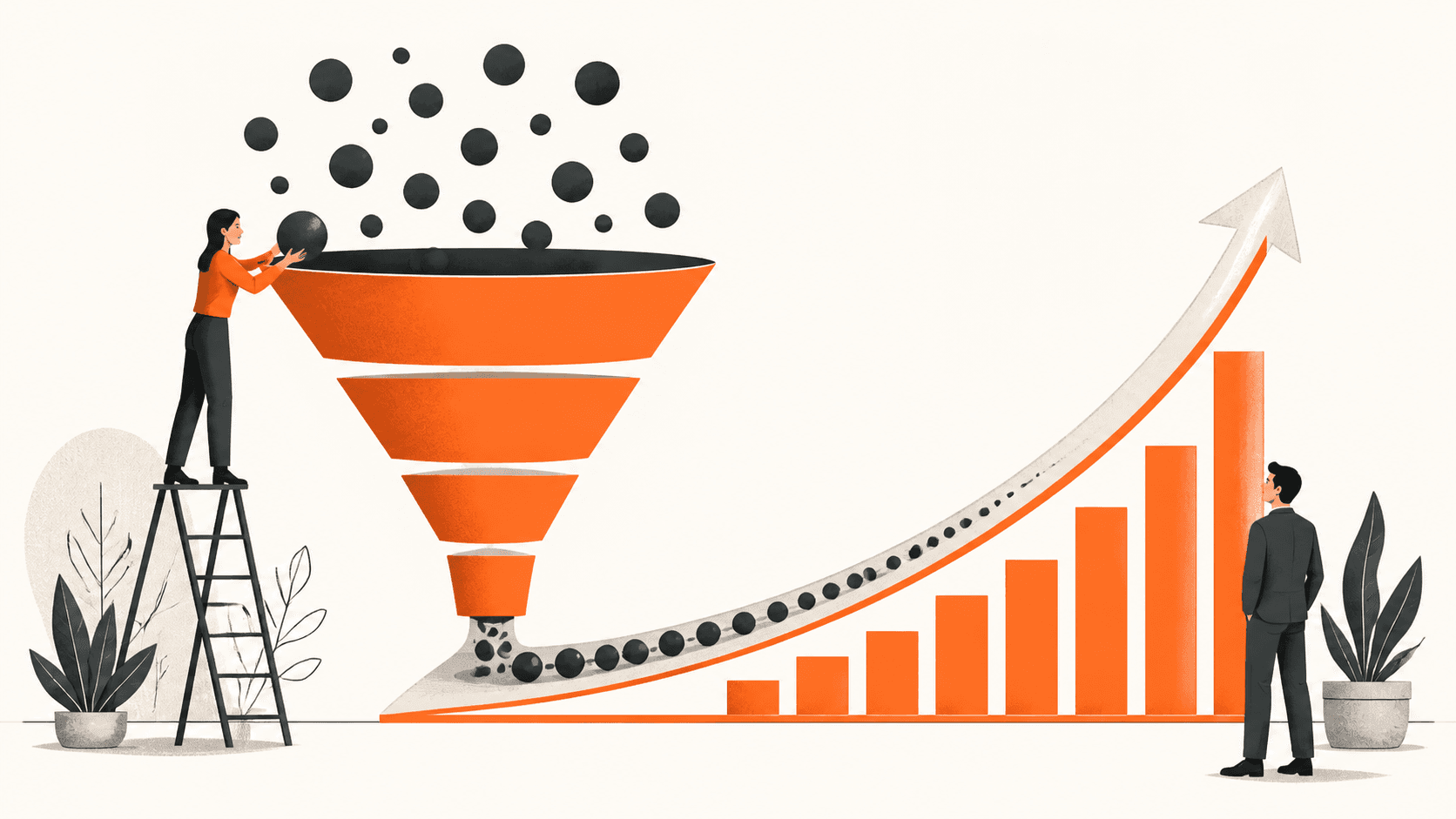
Most of the time, the problem is not "too few leads." The problem is "too little system" after the lead comes in. If you only focus on more traffic, you are pouring more water into a leaky bucket. A real lead generation system for small businesses needs both the front end that attracts traffic and the back end that turns it into revenue.
Marketing should be a system, not a gamble. If you cannot predict it, you cannot plan your growth.
Your Invisible Sales Funnel After the Click
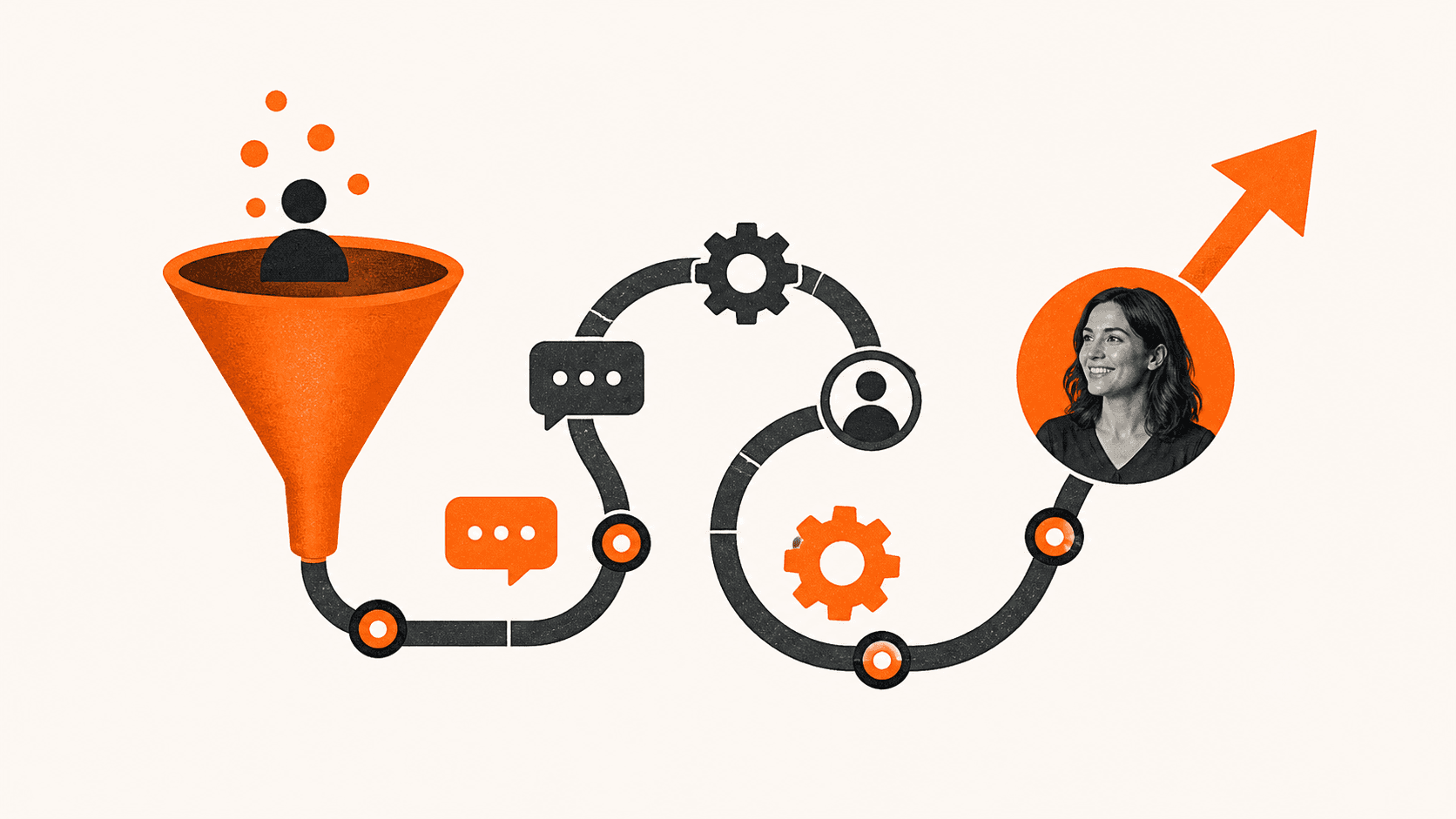
There is a lot that happens between "I filled out a form" and "I am a loyal client." Your customer does not see this. That is why we call it The Invisible Sales Funnel.
It usually looks like this:
- Capture the lead
- Respond fast
- Nurture the relationship
- Close the deal
- Retain the client
- Ask for referrals
This includes your scripts, texts, emails, and reminders, all working together without drama. When it is clear and repeatable, your team knows what to do next for every lead.
A connected marketing system pulls all your sources into one place. Your website, local SEO, and ads should not feed five random inboxes and voicemail boxes. They should feed one brain for your leads.
CedarCRM can be that hub. It lets you:
- Track every lead from first click to closed deal
- See what stage each lead is in
- Set tasks and reminders so no one is forgotten
Right now, your follow-up might feel like chaos. Some leads sit in email. Some live in sticky notes. Some are in someone's head. When you move to a clear set of stages in the Invisible Sales Funnel, you can see the whole picture and build a 90-Day Growth Plan around it.
Building a Simple Pipeline That Actually Moves Leads
You do not need a complex sales process. You need a simple pipeline that everyone uses the same way.
Here is a basic model any small business can start with:
- New Lead
- First Contact
- Qualified and Booked
- Proposal or Estimate Sent
- Decision Stage
- Client
The names do not matter as much as the habit. Every person on your team should use the same words. That way, when you look in CedarCRM, you all see the same story.
CedarCRM holds these stages so leads never "sit in the inbox" and vanish. Each new lead gets dropped into New Lead, then moved step by step.
Next, put speed to lead on autopilot. Aim to contact new leads within 5 to 15 minutes during business hours. Use simple tools:
- An auto-text when a form is filled ("Got your request, here is the next step")
- A missed call text back that invites them to reply
- An email confirmation with a booking link
Every missed call is a missed opportunity. Even saving a handful of those each week can shift your month.
Then build daily and weekly pipeline habits:
Daily, 10 minutes:
- Check all new leads in CedarCRM
- Move each into the right stage
- Make sure every lead has a next step and due date
Weekly, 30 minutes:
- Review deals stuck in one stage for more than 7 days
- Decide one stronger touch for each, like a call, text, or updated quote
Over a 90-Day Growth Plan, these simple habits often double how many leads reach the proposal stage, without more ad spend.
Nurture, Retention, and Referrals on One Track
Most leads will not buy the same week they contact you. That is normal. It is not failure.
This is where nurture comes in. Build a simple 90-day nurture track for people who are "not yet":
- Helpful emails with short tips and clear next steps
- Quick videos that show how you work or answer common questions
- Seasonal reminders tied to what you offer
Your lead generation system for small businesses should treat "not now" as "not yet." Stay present so when they are ready, they think of you first.
Next, support the clients you already have. It usually costs far less to keep a client than to win a new one. Try a simple retention rhythm:
- A quick check-in 7 days after service
- A useful tip or seasonal checklist 30 days later
- A reminder for the next logical service at 90 days, 6 months, or 1 year
CedarCRM can trigger these steps so you are not relying on memory or sticky notes.
Referrals do not have to be awkward. Many happy clients want to refer you if it is simple and clear. You can:
- Thank them for working with you
- Say you grow through referrals
- Ask if they know 1 or 2 people like them who might need the same help
Build this into your Invisible Sales Funnel. For example, after a 5-star review or strong feedback, CedarCRM can remind your team to ask for a referral and note the outcome.
Your Three-Channel Marketing System and 90-Day Growth Plan
Most small businesses get overwhelmed when they chase every new marketing trick on social media. You do not need twenty tactics. You need three channels that work together and feed your funnel.
We call this the Three-Channel Marketing System:
- Your website
- Local SEO
- Paid ads
All three must point to the same forms, phone numbers, and booking links that tie into CedarCRM. When your site acts like a 24/7 closer in training, with clear offers, social proof, and calls to action, your local SEO helps you rise up the ranks when people search in your area. Paid search and basic social ads then send focused traffic to landing pages that feed your Invisible Sales Funnel.
The real power of ads shows up when every click is tied to a pipeline stage, not just a vanity metric. Over 90 days, you can see:
- Which channels send leads that book meetings
- Which offers move people from quote to decision
- Where drop-offs happen in your funnel
Now pull it all into a simple 90-Day Growth Plan:
- Days 1 to 30: Set up CedarCRM, define pipeline stages, turn on speed to lead texts and emails
- Days 31 to 60: Build your 90-day nurture track, client check-ins, and referral prompts
- Days 61 to 90: Tune your Three-Channel Marketing System and review funnel data weekly
Done is better than perfect. The goal is a working connected marketing system that turns leads into lifetime value, so your business can grow on purpose, not by luck.
Turn Your Website Visitors Into Consistent New Clients
If you are ready to turn interest into predictable revenue, our team at Curve Communications is here to help you build a lead generation system for small businesses that actually delivers results. We work with you to understand your goals, refine your messaging, and put the right pieces in place so your pipeline grows every month. Reach out today to discuss your project or contact us with any questions about getting started.